The Best Places to Visit in France: 10 Incredible Destinations You Can’t Miss (Best Guide)
Introduction
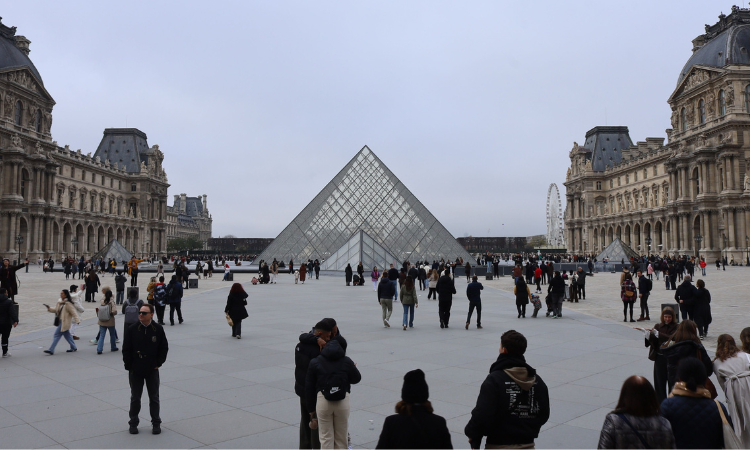
France has earned its reputation as one of Europe’s most rewarding travel destinations by offering far more than famous landmarks and postcard views. From the romantic streets of Paris to the lavender fields of Provence, the glamorous French Riviera, and the dramatic peaks of the Alps, every region has its own identity, traditions, and unforgettable experiences. Rich history stretches back thousands of years, while magnificent architecture ranges from medieval castles and Gothic cathedrals to elegant Renaissance palaces and modern masterpieces.
Food is another reason millions of travelers return year after year. France’s gastronomy is celebrated worldwide, with regional specialties, award-winning wines, artisan cheeses, fresh pastries, and vibrant local markets. Throughout the year, visitors can also enjoy colorful festivals celebrating music, film, wine, art, and local culture, making every season an excellent time to explore different parts of the country.
Nature lovers are equally spoiled for choice. France offers golden Atlantic beaches, the turquoise Mediterranean coastline, spectacular alpine scenery, peaceful vineyards, rolling countryside, dramatic cliffs, and picturesque villages that appear untouched by time.
This guide to the best places to visit in France highlights ten exceptional destinations that deserve a place on every itinerary. You’ll discover what makes each destination unique, the best time to visit, recommended trip lengths, top attractions, practical travel tips, and who each location suits best. Whether you’re planning your first French vacation or returning to explore beyond the famous attractions, this guide will help you build an unforgettable journey.
Quick Answer Box
What are the best places to visit in France?
The best places to visit in France are:
- Paris
- Provence
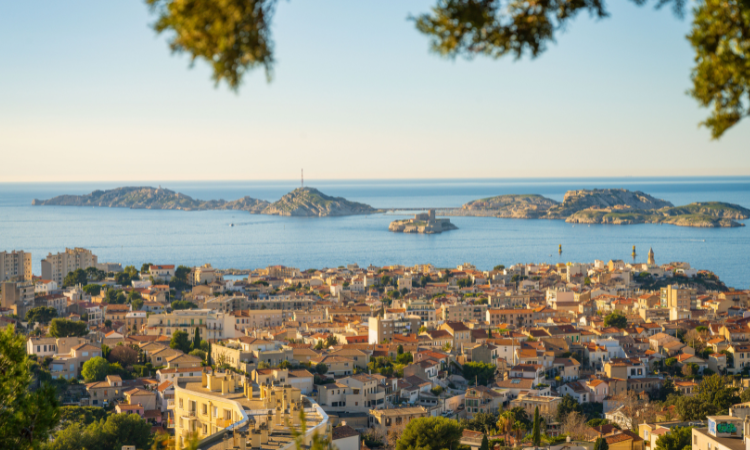
- French Riviera (Côte d’Azur)
- Mont Saint-Michel
- Loire Valley
- Bordeaux
- Annecy
- Chamonix-Mont-Blanc
- Strasbourg
- Normandy
These destinations showcase France’s rich history, iconic architecture, world-famous cuisine, stunning coastlines, mountain landscapes, charming villages, vineyards, and vibrant cultural heritage.
Quick Comparison Table
| Destination | Best For | Recommended Stay | Best Time to Visit | Main Highlight |
| Paris | First-time visitors, culture | 4–5 days | April–June, September–October | Eiffel Tower & world-class museums |
| Provence | Lavender fields, countryside | 3–5 days | June–July | Lavender landscapes and charming villages |
| French Riviera | Beaches & luxury | 4–6 days | May–September | Mediterranean coastline |
| Mont Saint-Michel | History & photography | 1–2 days | April–October | Medieval island abbey |
| Loire Valley | Castles & wine | 3–4 days | May–September | Renaissance châteaux |
| Bordeaux | Wine lovers | 2–4 days | May–October | Vineyards and historic center |
| Annecy | Lakes & outdoor adventures | 2–3 days | June–September | Crystal-clear alpine lake |
| Chamonix | Hiking & skiing | 3–5 days | December–March or June–September | Mont Blanc |
| Strasbourg | Christmas markets & culture | 2–3 days | May–October or December | Historic old town |
| Normandy | History & coastal scenery | 3–4 days | May–September | D-Day beaches and cliffsB |
The 10 Best Places to Visit in France
1. Paris – The Heart of French Culture and History
Overview
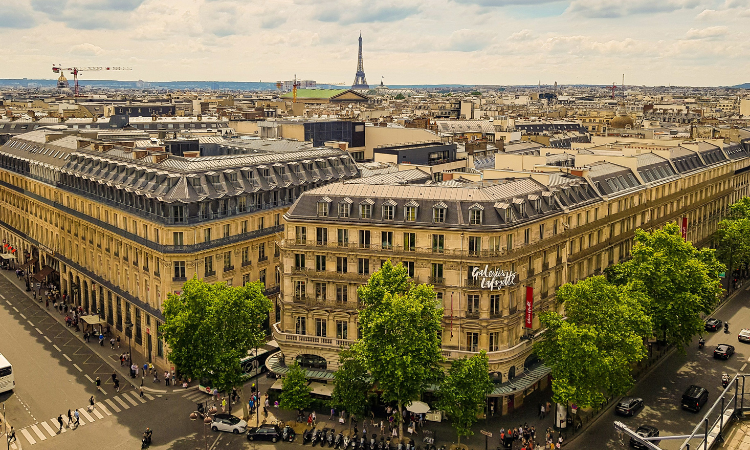
Paris is France’s capital and one of the world’s most visited cities, celebrated for its historic landmarks, elegant architecture, renowned museums, and vibrant café culture. While iconic attractions draw millions each year, the city’s quieter neighborhoods, riverside promenades, and local markets offer equally memorable experiences. Paris combines centuries of history with modern creativity, making it an essential stop for nearly every traveler.
Why Visit
Paris offers an unmatched mix of art, history, fine dining, shopping, and cultural experiences. Visitors can admire masterpieces in world-famous museums, enjoy authentic French cuisine, stroll through charming streets, and experience the city’s lively atmosphere from morning until late evening.
Top Attractions
- Eiffel Tower
- Louvre Museum
- Notre-Dame Cathedral
- Arc de Triomphe
- Champs-Élysées
- Montmartre
- Seine River Cruise
- Musée d’Orsay
- Sainte-Chapelle
Best Time to Visit
April to June and September to October provide comfortable temperatures, beautiful scenery, and fewer crowds than the peak summer season.
Ideal Length of Stay
4–5 days
Who It’s Best For
- First-time visitors
- Couples
- Art lovers
- Food enthusiasts
- Families
- Luxury travelers
Insider Travel Tip
Reserve tickets for major attractions several weeks in advance and dedicate at least one day to exploring neighborhoods like Le Marais, Canal Saint-Martin, or the Latin Quarter, where you’ll discover local cafés and boutique shops away from the busiest tourist areas.
Pros
- Outstanding museums and landmarks
- Excellent public transportation
- Exceptional dining
- Rich cultural experiences
Cons
- Popular attractions attract long queues
- Hotels can be expensive
- Busy during summer holidays
Overall Recommendation
Paris deserves its reputation as one of the best places to visit in France. It offers enough history, culture, and culinary experiences to reward both first-time visitors and returning travelers.
2. Provence – Lavender Fields, Historic Villages, and Local Markets
Overview
Provence showcases a slower, more traditional side of France. Rolling vineyards, fragrant lavender fields, Roman monuments, charming hilltop villages, and bustling weekly markets create one of the country’s most scenic regions. Beyond its famous landscapes, Provence offers authentic local traditions, regional cuisine, and peaceful countryside ideal for leisurely exploration.
Why Visit
Travelers visit Provence for its colorful scenery, excellent wines, outdoor activities, and picturesque villages. It’s an excellent destination for road trips, photography, cycling, and discovering authentic French culture away from larger cities.
Top Attractions
- Valensole Lavender Fields
- Gordes
- Roussillon
- Avignon
- Pont du Gard
- Aix-en-Provence
- Luberon Regional Park
- Local vineyards
Best Time to Visit
Late June through July is ideal for lavender blooms. May, September, and early October provide pleasant weather with fewer visitors.
Ideal Length of Stay
4–6 days
Who It’s Best For
- Couples
- Nature lovers
- Wine enthusiasts
- Road-trippers
- Photographers
- Slow travelers
Insider Travel Tip
Renting a car gives you access to villages and scenic viewpoints that public transportation cannot easily reach. Visit local morning markets to experience regional specialties before the busiest hours.
Pros
- Stunning countryside
- Authentic villages
- Excellent food and wine
- Relaxed atmosphere
Cons
- Limited public transportation
- Rental car often required
- Lavender season brings larger crowds
Overall Recommendation
Provence is one of France’s most rewarding destinations for travelers seeking natural beauty, regional cuisine, historic villages, and a more relaxed pace than major cities.
READ ALSO THE BEST PLACES TO VISIT IN ITALY (TOP 10).
3. The French Riviera – Mediterranean Coastline with Iconic Resorts and Hidden Villages
Overview
The French Riviera, or Côte d’Azur, stretches along France’s Mediterranean coast and offers a combination of glamorous seaside cities, charming fishing villages, beautiful beaches, and scenic coastal drives. While destinations like Nice and Cannes attract international attention, lesser-known places such as Èze and Saint-Paul-de-Vence provide quieter alternatives filled with history and spectacular views.
Why Visit
This region combines sunny weather, Mediterranean cuisine, coastal hiking trails, luxury shopping, historic old towns, and crystal-clear waters. Travelers can easily visit several destinations during one trip thanks to efficient train connections along the coastline.
Top Attractions
- Nice Old Town
- Promenade des Anglais
- Cannes
- Antibes
- Èze Village
- Saint-Paul-de-Vence
- Monaco (day trip)
- Cap Ferrat
Best Time to Visit
May, June, and September offer warm temperatures and fewer crowds. July and August are ideal for beach holidays but are considerably busier.
Ideal Length of Stay
4–5 days
Who It’s Best For
- Beach lovers
- Couples
- Luxury travelers
- Families
- Photographers
- Cruise visitors
Insider Travel Tip
Use regional trains instead of driving between coastal towns during summer. Start your day early in villages like Èze or Saint-Paul-de-Vence to enjoy quieter streets and better photography conditions before tour groups arrive.
Pros
- Beautiful Mediterranean scenery
- Excellent restaurants
- Easy day trips
- Warm climate
Cons
- Premium accommodation prices
- Busy beaches during peak season
- Parking can be challenging
Overall Recommendation
The French Riviera remains one of the best places to visit in France for travelers seeking a mix of beaches, culture, luxury, and picturesque coastal villages. Combining famous resorts with lesser-known gems creates a well-balanced and unforgettable itinerary.
READ ALSO THE BEST HOTELS IN SWITZERLAND (TOP 10)
4. Mont Saint-Michel – France’s Iconic Medieval Island
Overview
Mont Saint-Michel is one of France’s most recognizable landmarks, rising dramatically from a tidal island off the Normandy coast. Dominated by a magnificent medieval abbey, this UNESCO World Heritage Site has welcomed pilgrims and travelers for centuries. Its narrow cobbled streets, fortified walls, and panoramic views create an unforgettable experience that feels like stepping back in time.
Why Visit
Mont Saint-Michel offers a rare combination of history, architecture, and natural beauty. The changing tides surrounding the island create constantly evolving scenery, while the abbey showcases remarkable Gothic design. Beyond sightseeing, visitors can enjoy local seafood restaurants, historic museums, and scenic walks across the surrounding bay with experienced guides.
Top Attractions
- Mont Saint-Michel Abbey
- Medieval village streets
- Historic ramparts
- Grand Rue
- Parish Church of Saint-Pierre
- Bay walking tours
- Sunset viewpoints
- Local museums
Best Time to Visit
May through September provides pleasant weather, while spring and early autumn offer fewer crowds. Visiting early in the morning or late afternoon helps avoid peak visitor numbers.
Ideal Length of Stay
1–2 days
Who It’s Best For
- History enthusiasts
- Photographers
- Families
- Couples
- Architecture lovers
- First-time visitors
Insider Travel Tip
Spend one night on or near the island rather than taking a day trip. After most visitors leave in the evening, Mont Saint-Michel becomes quieter, offering a far more memorable experience and beautiful nighttime photography.
Pros
- One of France’s most iconic landmarks
- Incredible medieval architecture
- Unique tidal landscape
- Rich historical significance
Cons
- Very crowded during summer
- Accommodation is limited on the island
- Numerous steep steps to reach the abbey
Overall Recommendation
Mont Saint-Michel deserves a place on every France itinerary. Its remarkable blend of history, architecture, and coastal scenery makes it one of the best places to visit in France, especially for travelers interested in cultural heritage.
READ ALSO THE BEST PLACES TO VISIT IN SPAIN (TOP 10)
5. Loire Valley – Castles, Vineyards, and Charming Villages
Overview
Known as the “Garden of France,” the Loire Valley is famous for its elegant Renaissance châteaux, rolling vineyards, picturesque villages, and peaceful river landscapes. This UNESCO-listed region offers one of the country’s richest concentrations of historic castles while maintaining a relaxed atmosphere perfect for slow travel and scenic road trips.
Why Visit
The Loire Valley combines royal history, wine tourism, cycling routes, and beautiful countryside. Visitors can tour magnificent castles, sample local wines, explore lively markets, and enjoy riverside walking and cycling trails. Smaller towns like Amboise and Chinon provide authentic French charm away from larger tourist centers.
Top Attractions
- Château de Chambord
- Château de Chenonceau
- Château d’Amboise
- Villandry Gardens
- Amboise
- Chinon
- Loire vineyards
- Loire à Vélo cycling route
Best Time to Visit
May through September offers ideal weather for castle visits, vineyard tours, and outdoor activities. Autumn is particularly attractive during the grape harvest.
Ideal Length of Stay
3–4 days
Who It’s Best For
- History lovers
- Wine enthusiasts
- Cyclists
- Families
- Couples
- Road-trippers
Insider Travel Tip
Purchase a regional château pass if you plan to visit several castles. Renting bicycles for part of your stay provides a unique way to explore vineyards and riverside villages while avoiding busy roads.
Pros
- Spectacular Renaissance castles
- Excellent wine experiences
- Scenic countryside
- Family-friendly attractions
Cons
- A car is helpful for maximum flexibility
- Popular castles can become busy
- Public transportation between villages is limited
Overall Recommendation
The Loire Valley offers one of France’s finest combinations of history, nature, and gastronomy. It is an excellent destination for travelers seeking iconic landmarks alongside quieter villages and countryside experiences.
READ ALSO THE BEST PLACES TO VISIT IN NEW YORK (top 10) : The ultimate travel guide
6. Bordeaux – France’s World-Famous Wine Capital
Overview
Bordeaux is internationally recognized for its prestigious vineyards, elegant 18th-century architecture, and thriving culinary scene. While the city itself offers impressive museums, lively squares, and riverfront promenades, the surrounding wine regions provide countless opportunities to explore historic estates and taste some of the world’s finest wines. Beyond the famous appellations, nearby villages like Saint-Émilion add extra character and make excellent day trips.
Why Visit
Bordeaux appeals to travelers looking for exceptional food, wine, culture, and walkable historic neighborhoods. Modern tramways make the city easy to explore, while nearby vineyards offer guided tastings suitable for both beginners and experienced wine enthusiasts.
Top Attractions
- Place de la Bourse
- Miroir d’Eau
- La Cité du Vin
- Saint-Émilion
- Bordeaux Historic Center
- Garonne River promenade
- Wine château tours
- Public Gardens
Best Time to Visit
May through October offers pleasant temperatures for city exploration and vineyard visits. September is especially popular during the grape harvest season.
Ideal Length of Stay
2–4 days
Who It’s Best For
- Wine lovers
- Food enthusiasts
- Couples
- History lovers
- Luxury travelers
- Weekend visitors
Insider Travel Tip
Reserve vineyard tours several weeks ahead, especially during harvest season. Include a visit to Saint-Émilion, where medieval streets, historic churches, and boutique wineries create a completely different atmosphere from Bordeaux’s elegant city center.
Pros
- Outstanding food and wine
- Beautiful historic architecture
- Easy to explore on foot
- Excellent day-trip opportunities
Cons
- Premium vineyard tours can be expensive
- Harvest season attracts larger crowds
- Some wineries require advance reservations
Overall Recommendation
Bordeaux is one of the best places to visit in France for travelers interested in gastronomy, wine, history, and elegant urban experiences. Combined with nearby vineyard villages, it offers an unforgettable journey through one of Europe’s premier wine regions.
7. Annecy – France’s Beautiful Alpine Lake Town
Overview
Annecy is one of the most picturesque destinations in southeastern France, famous for its crystal-clear lake, flower-lined canals, colorful old town, and spectacular Alpine backdrop. Often called the “Venice of the Alps,” Annecy combines outdoor adventure with historic charm. While the lakeside promenade attracts most visitors, quieter neighborhoods, local markets, and nearby mountain trails provide equally rewarding experiences.
Why Visit
Annecy appeals to travelers who enjoy nature without sacrificing culture. Visitors can spend the morning exploring medieval streets before kayaking, cycling, or swimming in Lake Annecy during the afternoon. The city’s relaxed atmosphere and excellent restaurants make it ideal for both short breaks and longer holidays.
Top Attractions
- Lake Annecy
- Annecy Old Town (Vieille Ville)
- Palais de l’Île
- Château d’Annecy
- Pont des Amours
- Jardins de l’Europe
- Semnoz Mountain
- Talloires Village
Best Time to Visit
June through September offers warm weather for lake activities, while spring and early autumn provide pleasant temperatures with fewer crowds.
Ideal Length of Stay
2–3 days
Who It’s Best For
- Couples
- Families
- Outdoor enthusiasts
- Cyclists
- Photographers
- Nature lovers
Insider Travel Tip
Rent a bicycle and ride part of the scenic Lake Annecy cycling route. Early mornings offer calm water, quieter streets, and the best lighting for photography around the old town and lakeshore.
Pros
- Stunning mountain scenery
- Clean, swimmable lake
- Walkable historic center
- Excellent outdoor activities
Cons
- Accommodation fills quickly during summer
- Popular lakeside areas become crowded
- Prices increase during peak season
Overall Recommendation
Annecy is one of the best places to visit in France for travelers seeking a combination of lakes, mountains, history, and outdoor recreation. It offers a peaceful alternative to larger French cities while remaining easily accessible.
8. Chamonix – Adventure Capital of the French Alps
Overview
Located at the foot of Mont Blanc, Chamonix is one of Europe’s premier mountain destinations. Known worldwide for skiing, hiking, mountaineering, and breathtaking alpine scenery, the town welcomes visitors throughout the year. Beyond outdoor adventures, Chamonix offers lively cafés, traditional Alpine cuisine, and panoramic viewpoints that attract travelers of all ages.
Why Visit
Chamonix is the perfect destination for anyone wanting to experience the French Alps. Summer brings hiking, mountain biking, and glacier excursions, while winter transforms the valley into a world-famous ski destination. Even non-skiers can enjoy spectacular cable car rides and scenic mountain railways.
Top Attractions
- Aiguille du Midi Cable Car
- Mont Blanc
- Mer de Glace Glacier
- Montenvers Railway
- Brevent Cable Car
- Chamonix Town Centre
- Lac Blanc Hiking Trail
- Alpine Museum
Best Time to Visit
December through March is ideal for skiing, while June through September is perfect for hiking and mountain activities.
Ideal Length of Stay
3–5 days
Who It’s Best For
- Adventure travelers
- Hikers
- Skiers
- Families
- Nature photographers
- Outdoor enthusiasts
Insider Travel Tip
Book the Aiguille du Midi cable car early in the morning to enjoy clearer mountain views before afternoon clouds develop. Weather conditions can change rapidly, so always carry an extra layer, even during summer.
Pros
- Incredible Alpine scenery
- World-class hiking and skiing
- Activities year-round
- Easy access to Mont Blanc viewpoints
Cons
- Mountain weather changes quickly
- Peak winter season is expensive
- Some attractions depend on weather conditions
Overall Recommendation
Chamonix is among the best places to visit in France for outdoor enthusiasts. Whether you’re hiking beneath glaciers or enjoying panoramic cable car rides, it delivers unforgettable mountain experiences.
9. Strasbourg – French and German Heritage in One City
Overview
Situated near the German border, Strasbourg blends French elegance with German influences, creating one of Europe’s most distinctive cultural destinations. Its UNESCO-listed historic center features timber-framed houses, scenic canals, and impressive Gothic architecture. Beyond the famous old town, neighborhoods such as La Petite France and the European Quarter reveal the city’s unique character.
Why Visit
Strasbourg combines centuries of history with a vibrant food scene, lively markets, and beautiful riverside walks. It’s especially famous for hosting one of Europe’s oldest Christmas markets, but the city remains attractive throughout the year thanks to its museums, cycling routes, and welcoming atmosphere.
Top Attractions
- Strasbourg Cathedral
- La Petite France
- European Parliament
- Barrage Vauban
- Covered Bridges
- Palais Rohan
- Christmas Market
- Boat tours on the Ill River
Best Time to Visit
May through October offers excellent sightseeing weather, while December is ideal for experiencing the city’s famous Christmas market.
Ideal Length of Stay
2–3 days
Who It’s Best For
- History lovers
- Families
- Couples
- Christmas market visitors
- Food enthusiasts
- Weekend travelers
Insider Travel Tip
Explore Strasbourg by bicycle to reach both the historic center and the European Quarter. If visiting in December, book accommodation several months ahead, as hotels sell out quickly during the Christmas market season.
Pros
- Rich cultural heritage
- Beautiful architecture
- Excellent local cuisine
- Easy to explore
Cons
- Christmas season can be extremely busy
- Accommodation prices rise in December
- Some attractions close earlier during winter
Overall Recommendation
Strasbourg offers one of the most distinctive cultural experiences in France. Its fascinating blend of French and German traditions makes it a rewarding destination for history, architecture, and food lovers alike.
10. Normandy – Coastal History and Scenic Landscapes
Overview
Normandy is a region where dramatic coastal scenery meets centuries of history. From the D-Day landing beaches to the towering white cliffs of Étretat and charming harbor towns like Honfleur, the region offers remarkable diversity. Visitors can explore historic sites, sample fresh seafood, and enjoy peaceful countryside landscapes within a relatively compact area.
Why Visit
Normandy appeals to travelers interested in history, coastal walks, and authentic French villages. The region is also famous for Camembert cheese, cider, and Calvados, making it an excellent destination for food lovers. Smaller towns such as Bayeux and Honfleur provide quieter alternatives to larger tourist centers while offering exceptional cultural experiences.
Top Attractions
- D-Day Landing Beaches
- Omaha Beach
- Bayeux Tapestry Museum
- Étretat Cliffs
- Honfleur
- American Cemetery
- Caen Memorial Museum
- Rouen Cathedral
Best Time to Visit
May through September provides the most pleasant weather for sightseeing and coastal walks. Spring and early autumn also offer lighter crowds.
Ideal Length of Stay
3–4 days
Who It’s Best For
- History enthusiasts
- Families
- Couples
- Road-trippers
- Photographers
- Coastal explorers
Insider Travel Tip
Rent a car to explore Normandy efficiently, as many historic sites are spread across the region. Begin your day at the D-Day beaches before visiting nearby villages and museums in the afternoon.
Pros
- Rich World War II history
- Beautiful coastline
- Outstanding seafood
- Charming villages
Cons
- Public transportation is limited outside major towns
- Coastal weather can change quickly
- Some attractions are spread far apart
Overall Recommendation
Normandy is one of the best places to visit in France for travelers seeking meaningful historical experiences alongside spectacular coastal scenery. Its combination of famous landmarks and lesser-known villages creates a rewarding itinerary for almost every type of visitor.
How to Choose the Best Destination in France
Choosing among the best places to visit in France depends on your travel style, interests, and the type of experience you want. First-time visitors should start with Paris for iconic landmarks, museums, and classic French culture. Couples may prefer romantic destinations like Provence, the French Riviera, or Annecy for scenic landscapes and charming experiences.
Families will enjoy destinations with easy activities and attractions, such as Paris, the Loire Valley, and Normandy. Solo travelers can explore walkable cities like Lyon, Strasbourg, or Bordeaux, where culture, food, and public transportation make travel simple. For beach holidays, choose the French Riviera, Corsica, or Atlantic coastal towns. History lovers should consider Normandy, Mont Saint-Michel, and the Loire Valley for castles, medieval sites, and important historical landmarks.
Food lovers will appreciate Lyon, Bordeaux, Provence, and Paris for regional specialties, markets, and world-class restaurants. Travelers seeking outdoor adventures should explore Chamonix, the French Alps, Annecy, or the Pyrenees for hiking, skiing, cycling, and mountain activities. Budget travelers can save money by visiting smaller cities, traveling outside peak season, and choosing local accommodations instead of expensive tourist areas.
Essential Travel Tips for France
The best time to visit France depends on your destination. Spring (April–June) and autumn (September–October) usually offer comfortable weather and fewer crowds, while summer is ideal for beaches and outdoor activities but brings higher prices.
France has an excellent transportation network. High-speed trains, known as TGV trains, connect major cities quickly, making it easy to travel between Paris, Lyon, Bordeaux, Marseille, and other regions without renting a car. For rural destinations like Provence villages or Alpine areas, renting a vehicle can provide more flexibility.
Create a realistic budget before your trip. Major cities such as Paris and Nice can be expensive, but smaller towns often offer affordable hotels, restaurants, and activities. Book popular attractions, museums, and guided tours in advance, especially during busy seasons, to avoid long waits.
Respect local etiquette by greeting shop owners with “Bonjour,” learning a few basic French phrases, and dressing appropriately when visiting churches or upscale restaurants. France is generally safe for travelers, but stay aware of your belongings in crowded tourist areas and public transportation.
Choose accommodation based on location rather than only price. Staying near public transport or central areas can save time and reduce daily travel costs.
What to Pack for France
Packing for France depends on the season and destinations you plan to visit. Comfortable walking shoes are essential because many cities have historic streets, museums, and attractions best explored on foot. Lightweight clothing works well for warmer months, while a light jacket is useful for cooler evenings, spring, and autumn travel.
Bring sun protection, including sunglasses, sunscreen, and a hat, especially when visiting coastal areas or spending time outdoors. A reusable water bottle helps you stay hydrated while exploring cities and countryside destinations.
A portable charger is useful for navigation, travel apps, and photography, while a travel adapter ensures your electronics work with French outlets. If visiting mountainous regions or northern France, pack warmer layers and weather-resistant clothing.
Frequently Asked Questions About the Best Places to Visit in France
1. What is the best place to visit in France?
The best place to visit in France depends on your interests, but Paris is the top choice for first-time visitors because it combines history, culture, architecture, food, and world-famous attractions. However, destinations like Provence, the French Riviera, Annecy, and Normandy offer equally unforgettable experiences for different travel styles.
2. Which city should I visit first in France?
Paris is the best city to visit first in France because it introduces travelers to the country’s history, art, cuisine, and famous landmarks. Visitors can explore attractions like the Eiffel Tower, Louvre Museum, and charming neighborhoods before expanding their trip to other regions such as Provence, Bordeaux, or Normandy.
3. Is France expensive for tourists?
France can be expensive, especially in popular destinations like Paris, Nice, and the French Riviera. However, travelers can reduce costs by visiting during shoulder seasons, choosing local restaurants, staying outside city centers, using public transportation, and exploring smaller towns that offer excellent experiences at more affordable prices.
4. What is the most beautiful part of France?
The most beautiful part of France depends on personal preference. Provence is famous for lavender fields and villages, the French Riviera offers stunning Mediterranean scenery, the Alps provide dramatic mountain landscapes, and Normandy features spectacular coastlines and historic sites. Each region offers a unique combination of nature, culture, and scenery.
5. What is the best month to visit France?
The best months to visit France are April, May, June, September, and October. These periods offer pleasant weather, fewer crowds, and better prices compared with peak summer. June is excellent for outdoor activities, September is ideal for wine regions, and spring provides beautiful scenery across cities and countryside destinations.
6. Is 7 days enough for France?
Seven days is enough to experience France’s highlights, but it requires careful planning. Many travelers focus on Paris combined with one or two additional destinations, such as Normandy, Provence, or the Loire Valley. Avoid trying to cover the entire country because travel times between regions can reduce your sightseeing time.
7. Which city in France is best for families?
Paris, Strasbourg, and Annecy are among the best cities in France for families. Paris offers museums and famous attractions, Strasbourg provides charming streets and family-friendly activities, while Annecy combines a beautiful lake with outdoor adventures. These destinations offer a good balance of entertainment, safety, and convenient transportation.
8. Where should couples go in France?
Couples should consider Provence, the French Riviera, Paris, or Annecy for a romantic French getaway. Provence offers peaceful villages and vineyards, Paris provides iconic romance and dining experiences, the Riviera delivers beautiful beaches and coastal views, and Annecy creates a relaxing atmosphere with its lake and mountain scenery.
9. Which beaches are the best in France?
The best beaches in France include those along the French Riviera, Corsica, and the Atlantic coast. Destinations such as Nice, Saint-Tropez, Corsica’s Calanques, and Biarritz offer beautiful coastlines, swimming opportunities, water activities, and scenic views. Corsica is especially popular for travelers seeking clear waters and natural landscapes.
10. What foods should I try in France?
France is famous for its diverse regional cuisine. Travelers should try classics such as croissants, baguettes, French cheeses, crêpes, escargots, ratatouille, steak frites, and regional wines. Each destination offers unique specialties, including seafood in Normandy, wine in Bordeaux, and Mediterranean dishes in Provence and the French Riviera.
11. Is France safe for tourists?
France is generally safe for tourists, especially in popular destinations and major cities. Travelers should take normal precautions, including protecting valuables in crowded areas, being aware of surroundings, and following local advice. Tourist areas are well-developed, with reliable transportation, emergency services, and visitor facilities.
12. Do I need a car to travel around France?
You do not need a car to travel around France’s major cities because the country has excellent trains and public transportation. High-speed TGV trains connect many regions efficiently. However, renting a car is recommended for exploring rural areas such as Provence villages, vineyards, and smaller countryside destinations.
13. What are France’s hidden gems?
France has many lesser-known destinations worth exploring, including Annecy, Colmar, Saint-Paul-de-Vence, Eguisheim, Èze, and the Dordogne region. These places offer beautiful architecture, local culture, scenic landscapes, and authentic experiences without the crowds found in major tourist destinations like Paris and the French Riviera.
14. Which destinations are best for first-time visitors?
First-time visitors should prioritize Paris, the French Riviera, Provence, Normandy, and the Loire Valley. These destinations provide a complete introduction to France through famous landmarks, historic sites, beautiful landscapes, food experiences, and cultural attractions. A balanced itinerary combining cities, countryside, and coastal areas creates the best first French adventure.
15. How many days should I spend in France?
The ideal length for a France trip is 10 to 14 days, allowing enough time to experience multiple regions without rushing. A shorter 5–7 day trip works well for Paris and one nearby destination, while longer stays allow travelers to explore Provence, the Alps, Normandy, Bordeaux, and the French Riviera.
Conclusion: Planning Your Journey Through the Best Places to Visit in France
France offers an incredible variety of destinations, making it one of Europe’s most rewarding countries to explore. For the best overall experience, Paris remains the top destination thanks to its iconic landmarks, museums, architecture, and unforgettable food scene. Travelers seeking the perfect city break will find Paris difficult to beat, while the French Riviera is the ideal choice for relaxing beach holidays with Mediterranean views.
Families will enjoy destinations such as Annecy, Strasbourg, and the Loire Valley, where history, nature, and easy activities create memorable experiences for all ages. Couples looking for romance should consider Provence, Paris, or the French Riviera, where scenic landscapes, charming villages, and excellent dining create unforgettable moments. For culture and history, Normandy, Mont Saint-Michel, and Bordeaux provide fascinating journeys through France’s heritage.
Before planning your trip, consider the season, transportation options, accommodation location, and the experiences you value most. France is best explored at a comfortable pace, allowing time to discover both famous attractions and smaller local gems. Start planning your French adventure today and prepare to experience the history, beauty, cuisine, and culture that make this country one of the world’s most loved travel destinations.