
Best Places to Visit in Spain: 10 Incredible Destinations You Can’t Miss (2026 Guide)
Introduction
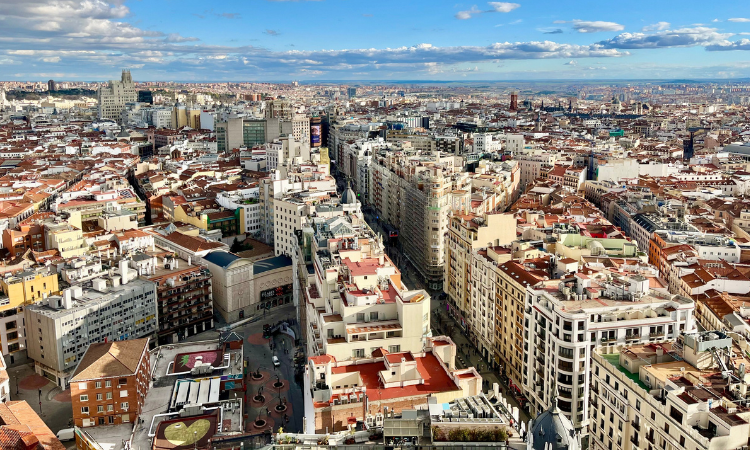
Spain is one of Europe’s most captivating destinations, offering an extraordinary blend of history, culture, and breathtaking scenery. From the architectural masterpieces of Barcelona and the royal grandeur of Madrid to the sun-drenched beaches of the Mediterranean and the dramatic landscapes of the Canary Islands, every region reveals a different side of the country. Ancient Roman ruins, Moorish palaces, Gothic cathedrals, and vibrant city squares tell the story of Spain’s rich past, while its lively festivals, world-renowned gastronomy, and welcoming atmosphere create unforgettable travel experiences.
One of the reasons the best places to visit in Spain continue to attract millions of travelers is the country’s remarkable diversity. You can spend one day exploring UNESCO World Heritage Sites, the next relaxing on golden beaches, hiking through spectacular national parks, or enjoying authentic tapas in centuries-old neighborhoods. Whether your interests lie in art, architecture, outdoor adventures, local cuisine, or cultural traditions, Spain offers destinations to suit every travel style and every season.
This guide brings together the best places to visit in Spain, carefully selected for their historical significance, natural beauty, cultural experiences, and overall visitor appeal. You’ll discover iconic cities, picturesque islands, charming coastal towns, and remarkable landmarks, along with practical travel advice, the best times to visit, and insider tips to help you plan an unforgettable Spanish adventure.
Quick Answer Box

What are the best places to visit in Spain?
If you’re planning a trip to Spain, these are the 10 best places to visit in Spain:
- Barcelona – Famous for Gaudí’s architecture, vibrant neighborhoods, and Mediterranean beaches.
- Madrid – Spain’s capital, known for world-class museums, historic landmarks, and lively nightlife.
- Seville – The heart of Andalusia, celebrated for flamenco, Moorish architecture, and colorful festivals.
- Granada – Home to the spectacular Alhambra Palace and stunning Sierra Nevada views.
- Valencia – A modern coastal city combining beautiful beaches with futuristic architecture and exceptional cuisine.
- San Sebastián – Renowned for its gourmet dining, elegant beaches, and picturesque coastline.
- Córdoba – A historic city featuring the magnificent Mezquita-Cathedral and charming old town.
- Mallorca – Spain’s largest Balearic Island, offering crystal-clear beaches, mountain villages, and scenic drives.
- Málaga – A vibrant Costa del Sol destination known for beaches, museums, and year-round sunshine.
- Santiago de Compostela – A legendary pilgrimage city famous for its cathedral, medieval streets, and rich cultural heritage.
Quick Comparison Table
| Destination | Best For | Recommended Stay | Best Time to Visit | Main Highlight |
| Barcelona | First-time visitors, architecture lovers | 3–4 days | April–June & September–October | Sagrada Família and Gaudí architecture |
| Madrid | Museums, culture, nightlife | 3–4 days | March–May & September–November | Prado Museum and Royal Palace |
| Seville | Couples, history lovers, culture | 2–3 days | March–May & October | Plaza de España and flamenco culture |
| Granada | History and architecture enthusiasts | 2 days | April–June & September–October | Alhambra Palace |
| Valencia | Families, beaches, food lovers | 2–3 days | April–June & September | City of Arts and Sciences |
| San Sebastián | Food lovers, coastal escapes | 2–3 days | June–September | La Concha Beach and Michelin-star cuisine |
| Córdoba | Cultural and historical sightseeing | 1–2 days | April–May & October | Mezquita-Cathedral |
| Mallorca | Beach vacations, outdoor adventures | 4–5 days | May–June & September | Serra de Tramuntana and turquoise coves |
| Málaga | Relaxation, art, Mediterranean beaches | 2–3 days | April–June & September–October | Picasso Museum and Costa del Sol |
| Santiago de Compostela | Pilgrims, history lovers | 2 days | May–June & September | Santiago Cathedral and Camino de Santiago |
The 10 Best Places to Visit in Spain
1. Barcelona
Overview
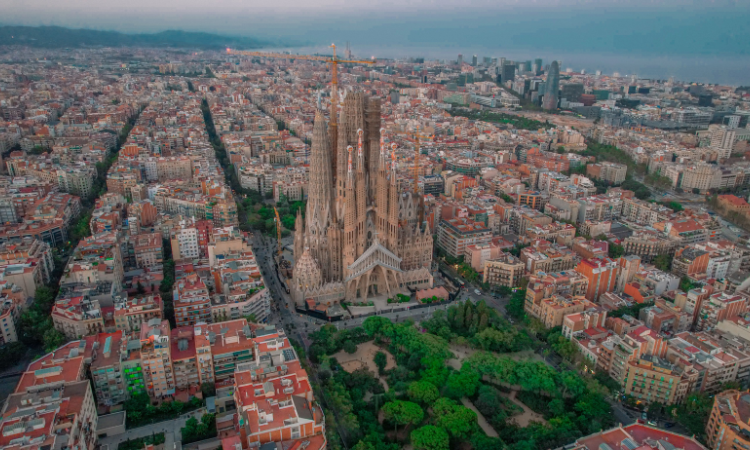
Barcelona is a city where centuries of history meet bold architectural innovation and a relaxed Mediterranean lifestyle. As the capital of Catalonia, it attracts travelers with its iconic landmarks, vibrant neighborhoods, sandy beaches, and outstanding culinary scene. From strolling through medieval streets in the Gothic Quarter to admiring Antoni Gaudí’s masterpieces, every day in Barcelona offers something different. Its efficient public transportation and walkable districts also make it an excellent destination for first-time visitors exploring Spain.
Why Visit
Barcelona combines world-famous architecture, beautiful beaches, exceptional gastronomy, lively markets, and a thriving cultural scene, making it one of the best places to visit in Spain.
Top Attractions
- Sagrada Família
- Park Güell
- Gothic Quarter
- Casa Batlló
- La Rambla
- Barceloneta Beach
Best Time to Visit
April to June and September to October offer pleasant temperatures, fewer crowds than midsummer, and ideal sightseeing conditions.
Ideal Length of Stay
3–4 days
Who It’s Best For
First-time visitors, couples, photographers, architecture enthusiasts, food lovers, and families.
Insider Travel Tip
Reserve tickets for the Sagrada Família and Park Güell online several weeks before your trip. Early morning visits provide cooler temperatures, better lighting for photography, and shorter queues.
Pros
- Exceptional architecture and cultural attractions
- Beaches within the city
- Excellent public transportation
- Outstanding dining and nightlife
Cons
- Peak-season accommodation can be expensive
- Popular attractions often sell out in advance
Overall Recommendation
Barcelona deserves a place at the top of every Spain itinerary. Its remarkable blend of culture, architecture, coastal scenery, and vibrant atmosphere creates one of Europe’s most rewarding city experiences.
READ ALSO THE BEST HOTELS IN SPAIN (TOP 10)
READ ALSO THE BEST PLACES TO VISIT IN SWITZERLAND (TOP 10)
2. Madrid
Overview
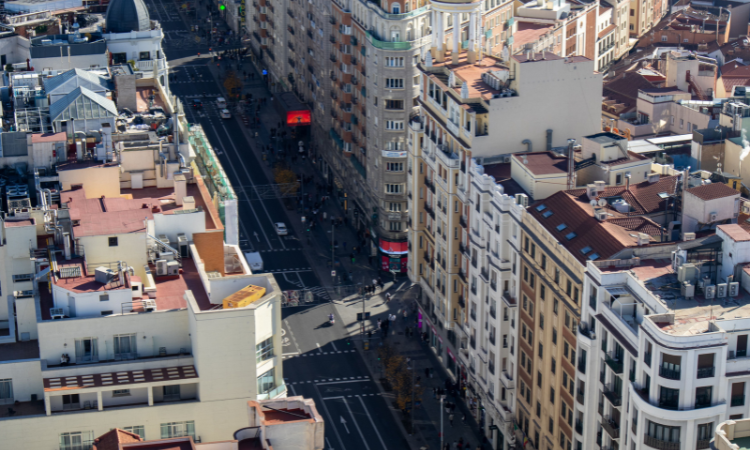
Madrid showcases Spain’s royal heritage while embracing a modern, energetic lifestyle. The capital is famous for its grand boulevards, elegant plazas, internationally acclaimed museums, and vibrant dining scene. Beyond its iconic landmarks, Madrid offers authentic neighborhoods where visitors can experience traditional tapas bars, local markets, and lively evening culture. Excellent transport connections also make it an ideal base for exploring nearby destinations such as Toledo and Segovia.
Why Visit
Madrid stands out for its impressive museums, historic monuments, world-class cuisine, beautiful parks, and lively atmosphere throughout the year.
Top Attractions
- Prado Museum
- Royal Palace of Madrid
- Plaza Mayor
- El Retiro Park
- Puerta del Sol
- Gran Vía
Best Time to Visit
March to May and September to November provide comfortable weather for sightseeing and outdoor dining.
Ideal Length of Stay
3–4 days
Who It’s Best For
History lovers, museum enthusiasts, solo travelers, couples, food lovers, and culture seekers.
Insider Travel Tip
Several major museums offer free admission during selected evening hours. Planning your itinerary around these times can reduce travel costs without sacrificing the experience.
Pros
- Outstanding museums and galleries
- Rich royal history
- Excellent public transport
- Fantastic food and nightlife
Cons
- Summer temperatures can be very high
- Major attractions become busy during weekends and holidays
Overall Recommendation
Madrid offers a perfect balance of history, art, gastronomy, and modern city life. It’s an essential stop for travelers seeking a deeper understanding of Spain’s cultural heritage.
3. Seville
Overview
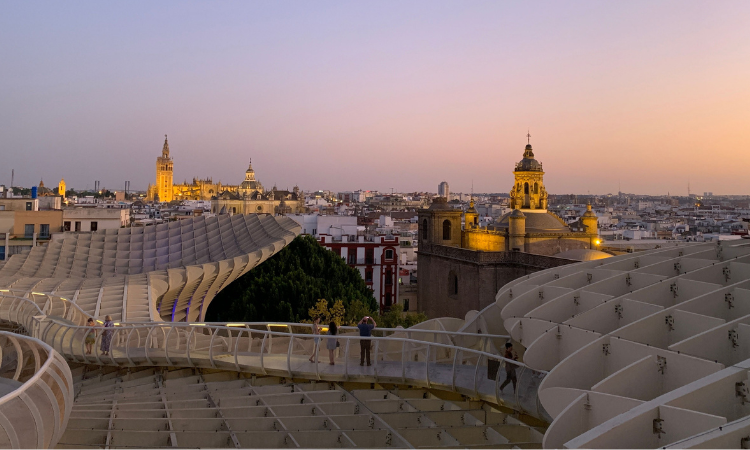
Seville is the cultural heart of Andalusia and one of Spain’s most captivating historic cities. Its streets reveal centuries of Roman, Moorish, and Christian influences through magnificent palaces, impressive cathedrals, and charming neighborhoods filled with orange trees. The city’s strong traditions, passionate flamenco performances, and outstanding local cuisine create an authentic atmosphere that few destinations can match. Walking through Seville feels like stepping into Spain’s rich cultural heritage while enjoying a relaxed southern lifestyle.
Why Visit
Seville offers unforgettable architecture, authentic flamenco, vibrant festivals, excellent tapas, and one of the country’s most beautiful historic centers.
Top Attractions
- Plaza de España
- Royal Alcázar of Seville
- Seville Cathedral
- La Giralda
- Santa Cruz District
- Metropol Parasol
Best Time to Visit
March to May and October provide warm but comfortable weather, ideal for walking tours and outdoor attractions.
Ideal Length of Stay
2–3 days
Who It’s Best For
Couples, photographers, history enthusiasts, cultural travelers, and food lovers.
Insider Travel Tip
Visit Plaza de España early in the morning before tour groups arrive, then spend the afternoon exploring the narrow streets and hidden courtyards of the Santa Cruz neighborhood.
Pros
- Spectacular historical landmarks
- Authentic Andalusian culture
- Excellent tapas restaurants
- Easily explored on foot
Cons
- Summer temperatures often exceed 40°C (104°F)
- Popular monuments require advance booking during peak travel periods
Overall Recommendation
Seville remains one of the best places to visit in Spain for travelers seeking history, architecture, and authentic local traditions. Its combination of cultural heritage, welcoming atmosphere, and unforgettable landmarks makes it an essential destination.
READ ALSO THE BEST PLACES TO VISIT IN NEW YORK : The ultimate travel guide.
4. Granada
Overview
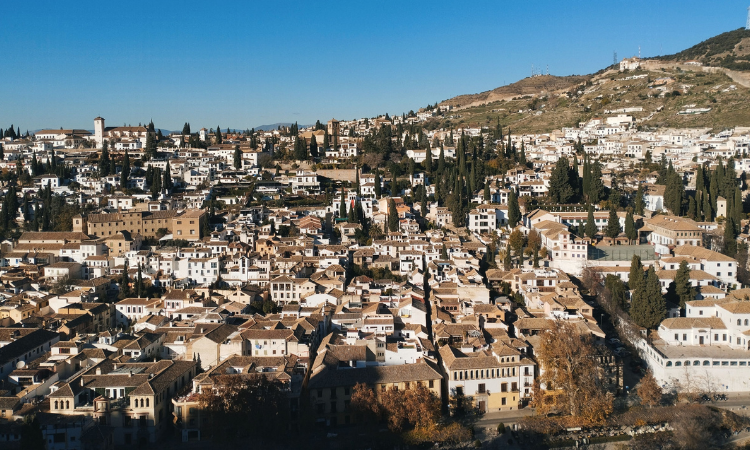
Granada is one of Spain’s most historically significant cities, where Moorish heritage, Renaissance architecture, and spectacular mountain scenery come together. Located at the foot of the Sierra Nevada, Granada is best known for the magnificent Alhambra Palace, but its appeal extends far beyond this iconic landmark. Visitors can wander through the charming Albaicín district, admire panoramic viewpoints, and experience a unique blend of Spanish and Islamic influences reflected in the city’s architecture, cuisine, and traditions. Granada also has a lively university atmosphere, creating an energetic mix of history and modern culture.
Why Visit
Granada offers one of the country’s richest cultural experiences, combining remarkable historical monuments, scenic viewpoints, authentic tapas culture, and easy access to both mountains and nearby beaches.
Top Attractions
- Alhambra Palace
- Generalife Gardens
- Albaicín District
- Mirador de San Nicolás
- Granada Cathedral
- Sacromonte Caves
Best Time to Visit
April to June and September to October provide pleasant temperatures and ideal sightseeing conditions.
Ideal Length of Stay
2–3 days
Who It’s Best For
History enthusiasts, couples, photographers, architecture lovers, and cultural travelers.
Insider Travel Tip
Reserve Alhambra tickets several weeks before your trip, particularly during spring and summer. Sunset from Mirador de San Nicolás offers one of Spain’s most memorable views.
Pros
- Home to the world-famous Alhambra
- Rich Moorish history and architecture
- Excellent value for dining
- Walkable historic center
Cons
- Alhambra tickets often sell out early
- Steep streets can be challenging for some visitors
Overall Recommendation
Granada earns its place among the best places to visit in Spain thanks to its extraordinary history, breathtaking architecture, and unforgettable views of the Sierra Nevada.
5. Valencia

Overview
Valencia perfectly balances tradition and innovation. Spain’s third-largest city combines futuristic architecture with a beautifully preserved old town, long sandy beaches, and one of the country’s most celebrated culinary traditions. As the birthplace of authentic paella, Valencia is a paradise for food lovers, while attractions such as the City of Arts and Sciences showcase the city’s modern identity. Its relaxed atmosphere, excellent public transport, and compact layout make it easy to explore within just a few days.
Why Visit
Valencia offers an excellent combination of cultural attractions, Mediterranean beaches, outstanding cuisine, family-friendly activities, and fewer crowds than Spain’s largest cities.
Top Attractions
- City of Arts and Sciences
- Valencia Cathedral
- Central Market
- Turia Gardens
- Malvarrosa Beach
- La Lonja de la Seda
Best Time to Visit
April to June and September provide warm weather without the intense summer crowds.
Ideal Length of Stay
2–3 days
Who It’s Best For
Families, food lovers, beach enthusiasts, couples, and first-time visitors seeking a relaxed city break.
Insider Travel Tip
Visit the Central Market in the morning to sample fresh local produce before enjoying authentic Valencian paella at a traditional restaurant near the beach.
Pros
- Beautiful beaches close to the city center
- Outstanding food scene
- Excellent value compared with Barcelona and Madrid
- Modern and historic attractions in one destination
Cons
- Beaches become busy during peak summer months
- High temperatures in July and August
Overall Recommendation
Valencia stands out as one of the best places to visit in Spain for travelers who want culture, beaches, exceptional cuisine, and a more relaxed pace than Spain’s larger metropolitan areas.
READ ALSO BEST PLACES TO TRAVEL IN JANUARY (top 10)
6. San Sebastián
Overview
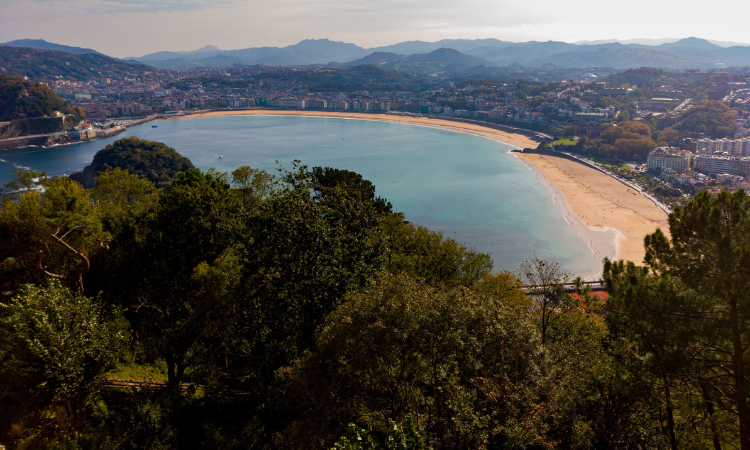
San Sebastián is widely regarded as one of Europe’s premier culinary destinations. Situated along Spain’s northern Basque coastline, the city combines elegant Belle Époque architecture with spectacular beaches and a world-famous food culture. Its compact size makes sightseeing easy, while scenic coastal walks, vibrant markets, and panoramic viewpoints provide plenty to explore beyond its renowned restaurants. Despite its international reputation, San Sebastián maintains a welcoming local atmosphere that encourages visitors to slow down and enjoy every experience.
Why Visit
San Sebastián is celebrated for its Michelin-starred restaurants, traditional pintxos bars, beautiful beaches, and stunning coastal scenery, making it one of Spain’s most rewarding destinations.
Top Attractions
- La Concha Beach
- Monte Igueldo
- Old Town (Parte Vieja)
- Monte Urgull
- San Telmo Museum
- Ondarreta Beach
Best Time to Visit
June to September offers warm temperatures and ideal beach conditions, while spring and early autumn provide fewer crowds.
Ideal Length of Stay
2–3 days
Who It’s Best For
Food lovers, couples, photographers, beach enthusiasts, and luxury travelers.
Insider Travel Tip
Skip large tourist restaurants and explore the Old Town’s traditional pintxos bars, where locals gather for authentic Basque cuisine at reasonable prices.
Pros
- World-class gastronomy
- Spectacular coastal scenery
- Walkable city center
- Beautiful beaches and viewpoints
Cons
- Accommodation can be expensive during summer
- Frequent rainfall compared with southern Spain
Overall Recommendation
San Sebastián deserves its reputation as one of the best places to visit in Spain, offering an exceptional blend of gourmet dining, coastal beauty, and Basque culture that leaves a lasting impression on every visitor.
READ ALSO BEST PLACES TO VISIT IN MAY (TOP 10)
7. Córdoba
Overview
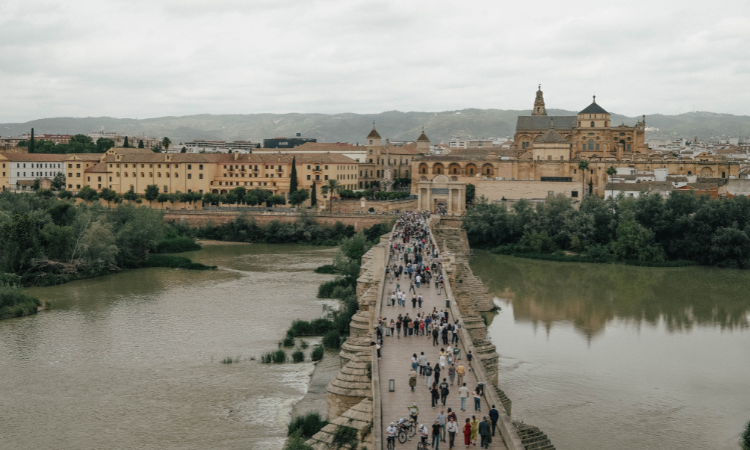
Córdoba is one of Spain’s most fascinating historic cities, where Roman, Islamic, and Christian influences have shaped an extraordinary cultural landscape. Once the capital of Moorish Spain, the city is famous for its beautifully preserved old town, narrow flower-filled streets, and impressive monuments that reflect centuries of history. Although smaller than Madrid or Barcelona, Córdoba offers an authentic atmosphere that rewards visitors with remarkable architecture, traditional Andalusian cuisine, and a slower pace perfect for exploring on foot.
Why Visit
Córdoba is renowned for its rich history, UNESCO-listed landmarks, charming courtyards, and one of the most remarkable architectural masterpieces in Europe.
Top Attractions
- Mezquita-Cathedral of Córdoba
- Roman Bridge
- Alcázar de los Reyes Cristianos
- Jewish Quarter
- Calleja de las Flores
- Palacio de Viana
Best Time to Visit
March to May and October provide comfortable temperatures and beautiful blooming courtyards.
Ideal Length of Stay
1–2 days
Who It’s Best For
History enthusiasts, photographers, couples, architecture lovers, and cultural travelers.
Insider Travel Tip
Visit the Mezquita-Cathedral as soon as it opens to enjoy a quieter atmosphere, then explore the historic Jewish Quarter before the afternoon heat arrives.
Pros
- Exceptional historical monuments
- Compact and walkable city center
- Authentic Andalusian atmosphere
- Excellent local cuisine
Cons
- Summer temperatures can be extremely high
- Limited nightlife compared with larger Spanish cities
Overall Recommendation
Córdoba deserves its place among the best places to visit in Spain for travelers seeking history, architecture, and one of the country’s most remarkable UNESCO World Heritage Sites.
8. Mallorca
Overview
Mallorca, the largest of Spain’s Balearic Islands, combines spectacular beaches, rugged mountain scenery, picturesque villages, and a vibrant cultural heritage. Beyond its famous coastline, visitors can explore the Serra de Tramuntana mountain range, charming towns like Valldemossa and Sóller, and historic Palma, the island’s lively capital. Mallorca appeals to travelers looking for both relaxation and adventure, offering opportunities for hiking, cycling, sailing, and discovering secluded coves with crystal-clear waters.
Why Visit
Mallorca offers an ideal combination of Mediterranean beaches, outdoor activities, historic villages, and excellent local cuisine, making it one of Spain’s most versatile destinations.
Top Attractions
- Palma Cathedral
- Serra de Tramuntana
- Cap de Formentor
- Valldemossa
- Sóller
- Cala Agulla
Best Time to Visit
May to June and September offer warm weather, pleasant sea temperatures, and fewer crowds than peak summer.
Ideal Length of Stay
4–5 days
Who It’s Best For
Beach lovers, families, couples, outdoor enthusiasts, cyclists, and photographers.
Insider Travel Tip
Rent a car for at least one day to explore the mountain villages and hidden coves that are difficult to reach using public transportation.
Pros
- Beautiful beaches and scenic coastline
- Excellent hiking and cycling routes
- Charming villages and historic sites
- Wide variety of accommodation options
Cons
- Popular resorts become crowded during July and August
- Car rental demand is high in peak season
Overall Recommendation
Mallorca remains one of the best places to visit in Spain, offering the perfect balance of relaxation, natural beauty, and cultural experiences for travelers of all ages.
9. Málaga
Overview
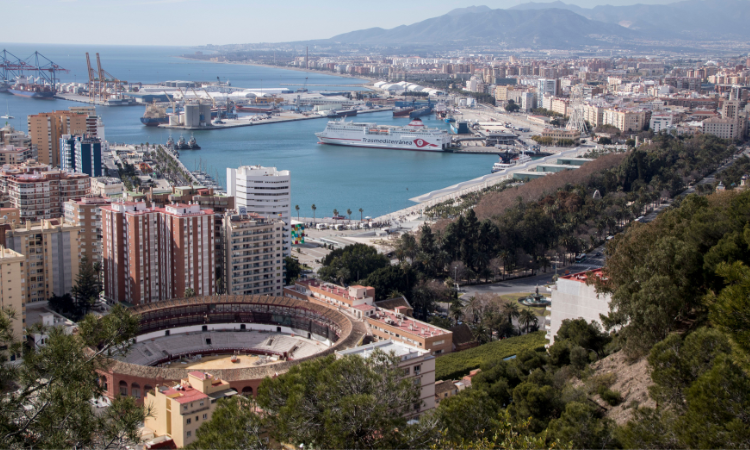
Málaga has transformed into one of Spain’s most exciting coastal destinations, combining Mediterranean beaches with a thriving arts and cultural scene. Located on the Costa del Sol, the city is the birthplace of Pablo Picasso and features an impressive collection of museums alongside historic landmarks, lively shopping streets, and excellent restaurants. Its year-round mild climate makes Málaga an attractive destination in every season, while its compact historic center allows visitors to explore comfortably on foot.
Why Visit
Málaga offers sunshine, beaches, excellent museums, historic landmarks, and easy access to other Costa del Sol destinations, making it an outstanding year-round getaway.
Top Attractions
- Picasso Museum
- Alcazaba of Málaga
- Gibralfaro Castle
- Málaga Cathedral
- Malagueta Beach
- Muelle Uno Waterfront
Best Time to Visit
April to June and September to October provide warm weather with fewer crowds than the peak summer months.
Ideal Length of Stay
2–3 days
Who It’s Best For
Beach lovers, art enthusiasts, families, couples, cruise passengers, and city-break travelers.
Insider Travel Tip
Walk up to Gibralfaro Castle in the late afternoon for panoramic views over the city and coastline, then return to the waterfront for dinner after sunset.
Pros
- Pleasant climate throughout the year
- Excellent museums and cultural attractions
- Beautiful beaches close to the city center
- Great transport connections
Cons
- Beaches can become crowded in summer
- Accommodation prices rise during holiday periods
Overall Recommendation
Málaga is one of the best places to visit in Spain for travelers seeking culture, sunshine, and a relaxed Mediterranean atmosphere without sacrificing access to world-class attractions.
10. Santiago de Compostela
Overview
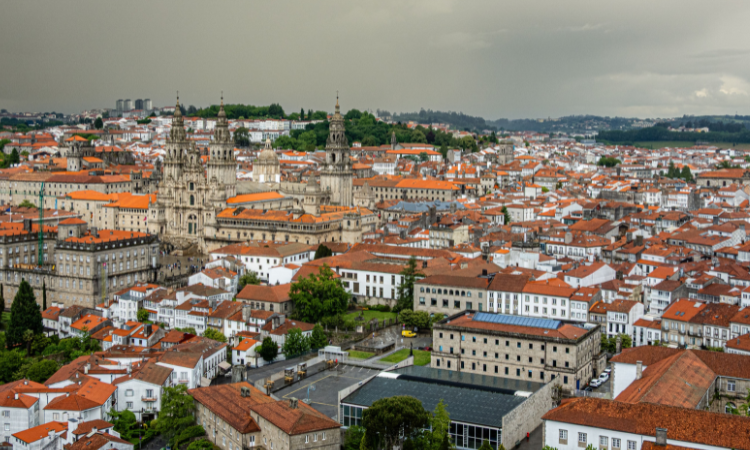
Santiago de Compostela is one of Europe’s most important pilgrimage destinations and the final stop on the famous Camino de Santiago. Its beautifully preserved medieval old town, recognized as a UNESCO World Heritage Site, is filled with granite buildings, lively squares, and centuries of religious history. Beyond its spiritual significance, the city offers excellent Galician cuisine, welcoming cafés, and a relaxed atmosphere that encourages visitors to explore its historic streets at a leisurely pace.
Why Visit
Santiago de Compostela combines remarkable history, impressive architecture, vibrant local culture, and one of the world’s most celebrated pilgrimage traditions.
Top Attractions
- Santiago de Compostela Cathedral
- Praza do Obradoiro
- Cathedral Museum
- Hostal dos Reis Católicos
- Alameda Park
- Mercado de Abastos
Best Time to Visit
May to June and September provide mild temperatures and enjoyable conditions for sightseeing and walking.
Ideal Length of Stay
2 days
Who It’s Best For
Pilgrims, history lovers, architecture enthusiasts, solo travelers, and cultural explorers.
Insider Travel Tip
Attend the Pilgrim’s Mass at the cathedral if your schedule allows, then visit the local food market to experience authentic Galician seafood and regional specialties.
Pros
- UNESCO-listed historic center
- Rich religious and cultural heritage
- Excellent Galician cuisine
- Compact and easy to explore on foot
Cons
- Rain is common throughout the year
- Evening entertainment is quieter than in Spain’s larger cities
Overall Recommendation
Santiago de Compostela completes this list of the best places to visit in Spain with its unique combination of history, spirituality, architecture, and authentic Galician culture, making it a memorable destination for both pilgrims and leisure travelers.
How to Choose the Best Destination in Spain
Spain offers an impressive variety of destinations, so choosing where to go depends on your interests, travel style, and budget. Use this guide to find the destination that best matches your itinerary.
First-Time Visitors
If it’s your first trip, start with Barcelona and Madrid. These cities showcase Spain’s most famous landmarks, outstanding museums, vibrant neighborhoods, and excellent transport connections. If your schedule allows, add Seville or Granada for a taste of Andalusia’s rich history and architecture.
Couples
For a romantic getaway, Seville, Granada, and Mallorca are excellent choices. Sunset viewpoints, charming old towns, boutique hotels, and scenic restaurants create memorable experiences for couples celebrating a honeymoon, anniversary, or weekend escape.
Families
Families will appreciate Valencia for its beaches, interactive City of Arts and Sciences, and spacious parks. Mallorca is another excellent option thanks to its calm beaches, family-friendly resorts, and outdoor activities suitable for all ages.
Solo Travelers
Solo travelers often enjoy Madrid, Barcelona, and Santiago de Compostela because they’re easy to navigate, offer excellent public transportation, and provide countless opportunities to meet fellow travelers through walking tours, cafés, and cultural events.
Beach Holidays
For sun and sea, choose Mallorca, Málaga, Valencia, or San Sebastián. Each destination offers beautiful beaches, waterfront promenades, and a wide range of accommodations, although their atmosphere varies from lively resort towns to elegant coastal cities.
History Lovers
Spain’s rich heritage comes alive in Granada, Córdoba, Seville, Santiago de Compostela, and Madrid. Moorish palaces, medieval cathedrals, Roman ruins, and UNESCO World Heritage Sites provide endless opportunities to explore centuries of European history.
Food Lovers
Spain is one of Europe’s premier culinary destinations. San Sebastián is internationally celebrated for its Michelin-starred restaurants and pintxos bars, while Valencia is the birthplace of authentic paella. Madrid and Seville also offer exceptional tapas, local markets, and traditional regional cuisine.
Outdoor Adventures
Travelers who enjoy nature should consider Mallorca for hiking and cycling, Granada for access to the Sierra Nevada mountains, and Málaga for coastal walks and nearby natural parks.
Budget Travelers
Cities such as Granada, Córdoba, and Valencia generally provide better value than Barcelona or Madrid, with affordable accommodations, reasonably priced restaurants, and many free or low-cost attractions.
Essential Travel Tips for Spain
Planning ahead will help you enjoy a smoother and more rewarding trip across Spain.
Best Time to Visit
Spring (April to June) and autumn (September to October) offer pleasant weather, fewer crowds, and comfortable sightseeing conditions. Summer is perfect for beach holidays but brings higher temperatures and increased accommodation prices, especially in coastal destinations.
Transportation
Spain has one of Europe’s most efficient transportation networks. Major cities are connected by domestic flights, long-distance buses, and an extensive railway system. Urban public transportation is reliable, affordable, and easy to use.
High-Speed Trains
The AVE high-speed rail network connects cities such as Madrid, Barcelona, Seville, Córdoba, Málaga, and Valencia. Booking tickets several weeks in advance often secures the best fares.
Budgeting
Spain generally offers good value compared with many Western European destinations. Daily expenses vary by city, with Barcelona and Madrid typically costing more than Granada, Córdoba, or Valencia. Dining at local restaurants away from major tourist areas can help reduce costs.
Local Etiquette
Greeting people politely, respecting meal times, and speaking a few basic Spanish phrases are appreciated. Tipping is optional but leaving a small amount for excellent service is common.
Safety
Spain is considered a safe destination for tourists. As in any popular travel destination, stay aware of your belongings in crowded areas, public transport, and major attractions where pickpocketing occasionally occurs.
Accommodation
Reserve hotels early if you’re traveling during Easter, summer, Christmas, or major festivals. Staying near public transportation can save both time and money.
Booking Attractions
Reserve tickets online for popular attractions such as the Alhambra, Sagrada Família, Park Güell, and the Royal Alcázar of Seville well before your visit to avoid disappointment.
What to Pack for Spain
Packing appropriately depends on the season and destinations you’ll visit, but a few essentials will make every trip more comfortable.
Comfortable Walking Shoes
Many of Spain’s historic centers feature cobblestone streets, while museums, viewpoints, and old towns require plenty of walking. Comfortable footwear is essential.
Lightweight Clothing
Breathable clothing is ideal for spring, summer, and early autumn, especially in southern Spain, where temperatures regularly exceed 30°C (86°F).
Sun Protection
Bring sunscreen, sunglasses, and a wide-brimmed hat to protect yourself during sightseeing, particularly along the Mediterranean coast and in Andalusia.
Reusable Water Bottle
Staying hydrated is important during warm weather. A reusable bottle is convenient for long sightseeing days and helps reduce plastic waste.
Portable Charger
Using maps, translation apps, and cameras throughout the day can quickly drain your phone’s battery. A portable charger ensures you stay connected.
Travel Adapter
Spain uses Type C and Type F electrical outlets with a 230V supply, so international visitors may need a compatible adapter.
Light Jacket
Evenings can become cool during spring, autumn, and in northern Spain. A lightweight jacket is also useful for mountain destinations and air-conditioned transportation.
FAQs ON THE BEST PLACES TO VISIT IN SPAIN
1. What is the best place to visit in Spain?
Barcelona is widely considered the best place to visit in Spain because it combines iconic architecture, Mediterranean beaches, outstanding cuisine, world-class museums, and vibrant nightlife. However, the ideal destination depends on your travel style. History lovers may prefer Granada or Seville, while beach enthusiasts often choose Mallorca or Málaga.
2. Which city should I visit first in Spain?
For first-time visitors, Barcelona is an excellent starting point thanks to its famous landmarks, walkable neighborhoods, and excellent transport connections. Madrid is another great choice if you’re interested in museums, royal history, and authentic Spanish culture. Many travelers include both cities in their first Spain itinerary.
3. Is Spain expensive for tourists?
Spain is generally more affordable than many Western European destinations. Daily costs vary depending on the city and season. Barcelona and Madrid are typically the most expensive, while Granada, Córdoba, and Valencia often provide better value for accommodation, dining, and sightseeing without compromising the travel experience.
4. What is the most beautiful part of Spain?
Spain’s beauty varies by region. Barcelona impresses with its architecture, Mallorca is famous for crystal-clear beaches, Granada offers spectacular historic monuments, while the Basque Coast around San Sebastián combines dramatic coastal scenery with exceptional cuisine. Each region offers a unique landscape and cultural identity.
5. What is the best month to visit Spain?
May, June, September, and October are generally the best months to visit Spain. These months offer pleasant temperatures, fewer crowds than peak summer, and excellent conditions for sightseeing, beach holidays, and outdoor activities across most regions of the country.
6. Is 7 days enough for Spain?
Yes. A seven-day trip allows you to visit two or three major destinations comfortably. A popular itinerary combines Barcelona, Madrid, and Seville using Spain’s efficient high-speed train network. If you prefer a slower pace, focus on one region to enjoy a more relaxed experience.
7. Which Spanish city is best for families?
Valencia is one of Spain’s best family destinations thanks to its sandy beaches, spacious parks, interactive City of Arts and Sciences, and family-friendly atmosphere. Mallorca is another excellent choice, offering calm beaches, outdoor activities, and resorts designed for travelers with children.
8. Where should couples go in Spain?
Couples often choose Seville for its romantic atmosphere, Granada for its breathtaking architecture and scenic viewpoints, or Mallorca for its beautiful beaches and luxury accommodations. These destinations combine memorable scenery, excellent restaurants, and unforgettable sunset experiences.
9. Which beaches are the best in Spain?
Some of Spain’s finest beaches include La Concha Beach in San Sebastián, Malvarrosa Beach in Valencia, Playa de Muro in Mallorca, La Malagueta in Málaga, and the beaches of the Costa del Sol. Each offers excellent facilities, beautiful scenery, and opportunities for swimming or water sports.
10. What foods should I try in Spain?
Don’t miss authentic paella in Valencia, tapas in Seville and Madrid, pintxos in San Sebastián, gazpacho in Andalusia, jamón ibérico, tortilla española, churros with hot chocolate, and fresh seafood along Spain’s Mediterranean and Atlantic coasts.
11. Is Spain safe for tourists?
Spain is considered one of Europe’s safest travel destinations. Violent crime is uncommon, although visitors should remain aware of pickpocketing in busy tourist areas, public transportation, and crowded attractions. Keeping valuables secure and staying alert is usually enough to ensure a safe trip.
12. Do I need a car to travel around Spain?
Not necessarily. Spain’s high-speed trains, domestic flights, buses, and excellent public transportation make it easy to travel between major cities without renting a car. A rental vehicle is most useful when exploring rural villages, mountain regions, or smaller coastal destinations.
13. What are Spain’s hidden gems?
Beyond the famous cities, Spain offers lesser-known destinations such as Ronda, Cáceres, Cadaqués, Albarracín, Frigiliana, and the Picos de Europa National Park. These places reward travelers with beautiful scenery, authentic local culture, and fewer crowds than the country’s most popular attractions.
14. Which destinations are best for first-time visitors?
Barcelona, Madrid, Seville, Granada, and Valencia are ideal for first-time visitors. Together they showcase Spain’s history, architecture, cuisine, beaches, museums, and cultural traditions while offering excellent transportation links that make multi-city itineraries simple to organize.
15. How many days should I spend in Spain?
A minimum of 10–14 days allows you to experience several of Spain’s most iconic destinations without rushing. If your schedule is shorter, seven days is enough for two or three cities, while three weeks provides time to explore the mainland, islands, and lesser-known regions.
Conclusion
Spain rewards travelers with an extraordinary variety of destinations, each offering its own character, history, and unforgettable experiences. If you’re planning your first visit, Barcelona remains the best overall destination thanks to its remarkable architecture, Mediterranean coastline, and vibrant atmosphere. Madrid is the perfect city break for travelers who enjoy museums, royal landmarks, and lively nightlife, while Mallorca stands out as Spain’s premier beach destination with its crystal-clear waters and spectacular coastal scenery.
Families will appreciate Valencia for its welcoming beaches, interactive attractions, and relaxed pace, while couples are likely to fall in love with Seville, where historic streets, flamenco performances, and beautiful plazas create a memorable romantic setting. For travelers seeking Spain’s rich heritage, Granada and Córdoba offer some of the country’s most impressive historical landmarks, making them exceptional cultural destinations.
No matter how long you plan to stay, choosing destinations that match your interests will help you make the most of your journey. Book popular attractions in advance, travel during spring or autumn for pleasant weather, and allow enough time to experience each destination beyond its famous landmarks. With thoughtful planning and an adventurous spirit, you’ll quickly discover why the best places to visit in Spain continue to inspire travelers from around the world and deserve a place on every travel bucket list.