
The Best Places to Visit in Italy: 10 Incredible Destinations You Can’t Miss (2026 Guide)
Introduction
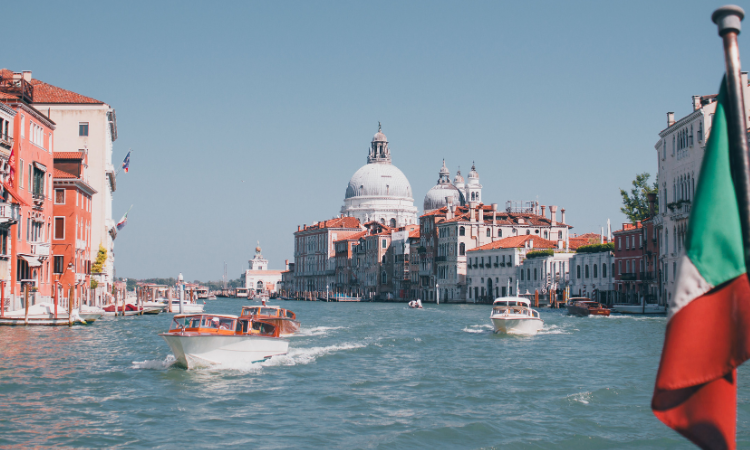
Italy has long been one of Europe’s most rewarding travel destinations, offering an incredible variety of experiences within a single country. From the ancient ruins of Rome to the dramatic peaks of the Dolomites, every region has its own identity, traditions, and unforgettable attractions. This diversity is exactly why travelers return again and again to discover new corners of the country.
The best places to visit in Italy combine thousands of years of history with world-famous architecture, beautiful Mediterranean beaches, exceptional gastronomy, vibrant culture, colorful festivals, and breathtaking natural landscapes. History lovers can walk through Roman amphitheaters and medieval towns, while architecture enthusiasts admire Renaissance masterpieces, Gothic cathedrals, and charming villages that have remained largely unchanged for centuries. Along the coastline, visitors can relax on stunning beaches overlooking crystal-clear waters, while food lovers enjoy authentic pizza, handmade pasta, regional cheeses, fresh seafood, and some of the world’s finest wines.
Italy’s cultural calendar is equally impressive, featuring celebrations such as Venice Carnival, the Palio di Siena, Easter processions, music festivals, wine harvest events, and countless local traditions that provide authentic experiences throughout the year. Beyond its famous cities, the country offers rolling vineyards in Tuscany, volcanic landscapes in Sicily, scenic lakes in the north, and spectacular mountain adventures in the Alps.
This guide explores the best places to visit in Italy for every type of traveler. You’ll discover iconic cities, picturesque coastal destinations, mountain escapes, cultural treasures, and practical travel tips to help you decide where to go, when to visit, and how to make the most of your Italian adventure in 2026.
Quick Answer Box
What are the best places to visit in Italy?
The 10 best places to visit in Italy are:
- Rome
- Venice
- Florence
- Amalfi Coast
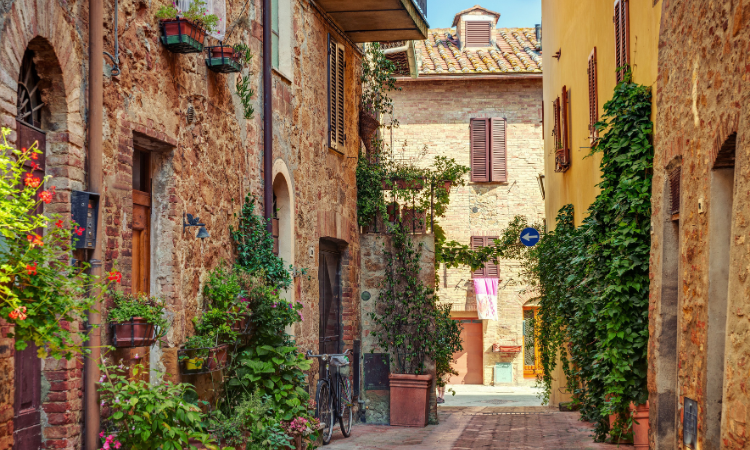
- Tuscany
- Milan
- Cinque Terre
- Lake Como
- Sicily
- The Dolomites
These destinations offer a perfect mix of history, art, beaches, outdoor adventures, incredible cuisine, cultural experiences, and unforgettable scenery, making them ideal for first-time visitors and returning travelers alike.
Quick Comparison Table
| Destination | Best For | Recommended Stay | Best Time to Visit | Main Highlight |
| Rome | Ancient history & iconic landmarks | 3–5 days | April–June, September–October | Colosseum, Vatican City & Roman Forum |
| Venice | Romance & canals | 2–3 days | April–May, September | Gondola rides & St. Mark’s Square |
| Florence | Renaissance art & museums | 2–4 days | April–June, September–October | Florence Cathedral & Uffizi Gallery |
| Amalfi Coast | Coastal scenery & luxury | 3–5 days | May–June, September | Positano & scenic coastal drive |
| Tuscany | Wine, countryside & road trips | 4–7 days | May–June, September–October | Vineyards, medieval towns & rolling hills |
| Milan | Fashion, shopping & city breaks | 2–3 days | April–May, September–October | Duomo di Milano & Galleria Vittorio Emanuele II |
| Cinque Terre | Hiking & colorful villages | 2–4 days | May, June, September | Five cliffside seaside villages |
| Lake Como | Luxury retreats & lake views | 2–4 days | May–September | Elegant villas & alpine scenery |
| Sicily | Beaches, archaeology & food | 5–7 days | April–June, September–October | Mount Etna & ancient Greek ruins |
| The Dolomites | Hiking, skiing & nature | 3–6 days | June–September, December–March | Dramatic mountain landscapes |
The 10 Best Places to Visit in Italy
1. Rome – Where Ancient History Meets Modern Italy
Overview
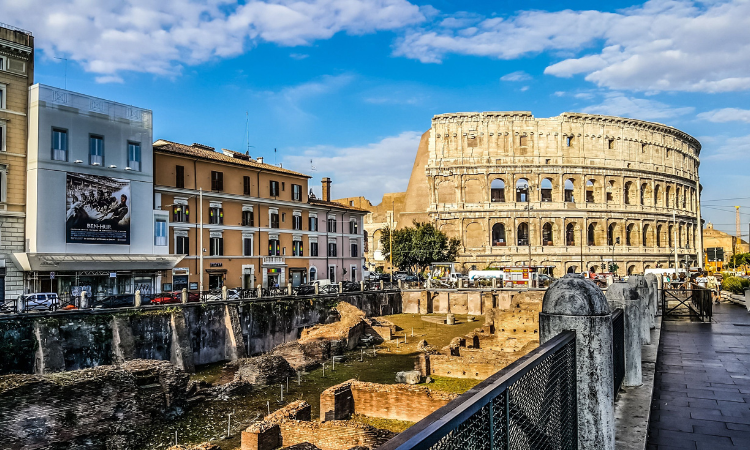
Rome is one of the best places to visit in Italy because every street tells a story spanning more than two millennia. As Italy’s capital, it combines world-famous archaeological sites with lively neighborhoods, excellent restaurants, bustling markets, and elegant piazzas. While iconic landmarks attract millions of visitors, Rome also rewards those who explore quieter districts like Trastevere and Testaccio, where local life unfolds away from the busiest tourist routes.
Why Visit: Experience the birthplace of the Roman Empire, admire extraordinary architecture, enjoy authentic Roman cuisine, and discover one of Europe’s richest cultural capitals.
Top Attractions: Colosseum, Roman Forum, Pantheon, Vatican Museums, St. Peter’s Basilica, Trevi Fountain, Piazza Navona, Castel Sant’Angelo, and Trastevere.
Best Time to Visit: April to June or September to October.
Ideal Length of Stay: 4–5 days.
Who It’s Best For: History lovers, first-time visitors, couples, photographers, families, and culture enthusiasts.
Insider Travel Tip: Purchase skip-the-line tickets for the Colosseum and Vatican several weeks in advance. Spend at least one evening exploring Trastevere for authentic Roman cuisine at more reasonable prices than the city center.
Pros
- Exceptional historical landmarks
- Outstanding museums and architecture
- Fantastic food scene
- Excellent transport connections
Cons
- Heavy crowds at major attractions
- Hotels can be expensive
- Summer temperatures are often very hot
Overall Recommendation: Rome deserves the top spot on almost every Italian itinerary. Few cities combine history, art, architecture, and everyday Italian culture so successfully, making it an unforgettable destination for travelers of every age.
READ ALSO THE BEST HOTELS IN ITALY (top 10)
2. Venice – Italy’s Most Unique City
Overview
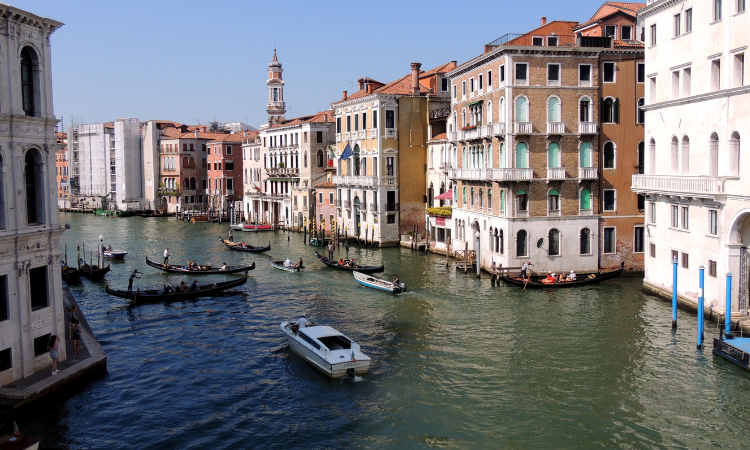
Venice remains one of the best places to visit in Italy thanks to its extraordinary setting across more than 100 islands connected by canals and historic bridges. Instead of busy roads, elegant waterways define daily life, creating an atmosphere unlike anywhere else in Europe. Beyond famous attractions, quieter neighborhoods such as Cannaregio and Dorsoduro offer peaceful canals, family-run cafés, and a more authentic glimpse of Venetian life.
Why Visit: Venice offers remarkable architecture, centuries of maritime history, romantic scenery, outstanding museums, and one of the world’s most distinctive city landscapes.
Top Attractions: St. Mark’s Basilica, Doge’s Palace, Grand Canal, Rialto Bridge, Murano, Burano, Bridge of Sighs, and Teatro La Fenice.
Best Time to Visit: April to May and September.
Ideal Length of Stay: 2–3 days.
Who It’s Best For: Couples, photographers, honeymooners, architecture lovers, and cultural travelers.
Insider Travel Tip: Wake up early to experience St. Mark’s Square before the crowds arrive. Take a vaporetto instead of an expensive gondola for beautiful canal views while staying within budget.
Pros
- Truly one-of-a-kind destination
- Incredible architecture
- Rich artistic heritage
- Excellent seafood and local cuisine
Cons
- Accommodation is costly
- Crowded during peak season
- Occasional flooding during autumn and winter
Overall Recommendation: Venice offers far more than postcard views. Spending a few nights allows visitors to experience quieter canals, charming neighborhoods, and a slower pace that many day-trippers never see.
READ ALSO BEST PLACES TO VISIT IN SPAIN (TOP 10)
3. Florence – The Birthplace of the Renaissance
Overview
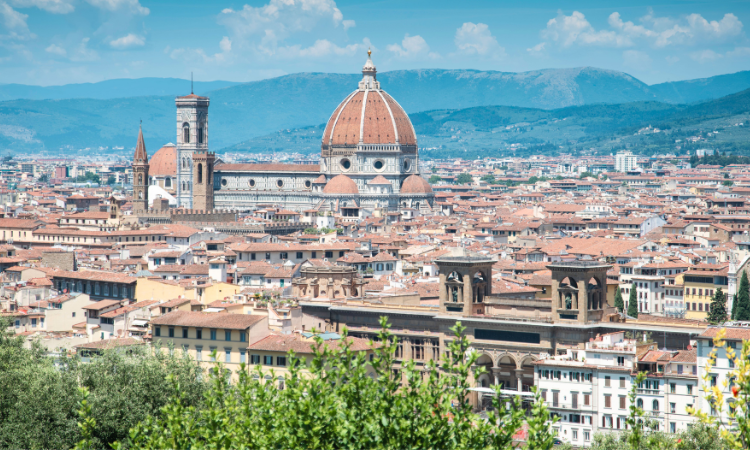
Florence consistently ranks among the best places to visit in Italy thanks to its extraordinary concentration of Renaissance art, elegant architecture, and welcoming atmosphere. Although internationally famous for masterpieces by Michelangelo, Botticelli, and Leonardo da Vinci, Florence is equally appealing for its walkable streets, traditional trattorias, artisan workshops, and lively markets. It also serves as an excellent gateway to Tuscany’s vineyards and medieval hill towns.
Why Visit: Florence combines world-class museums, remarkable historic landmarks, authentic Tuscan cuisine, and easy access to Italy’s beautiful countryside.
Top Attractions: Florence Cathedral (Duomo), Uffizi Gallery, Accademia Gallery, Michelangelo’s David, Ponte Vecchio, Piazza della Signoria, Boboli Gardens, and Piazzale Michelangelo.
Best Time to Visit: April to June and September to October.
Ideal Length of Stay: 3–4 days.
Who It’s Best For: Art lovers, food enthusiasts, couples, photographers, history buffs, and Tuscany road-trippers.
Insider Travel Tip: Reserve museum tickets online before arriving and climb Piazzale Michelangelo at sunset for one of Italy’s most spectacular panoramic city views—completely free.
Pros
- World-famous Renaissance art
- Compact and easy to explore on foot
- Outstanding Tuscan cuisine
- Perfect base for Tuscany day trips
Cons
- Popular museums require advance booking
- Busy during spring and summer
- Limited parking for drivers
Overall Recommendation: Florence delivers one of Italy’s richest cultural experiences. Its combination of art, architecture, cuisine, and proximity to Tuscany makes it an essential destination for travelers seeking both iconic attractions and authentic Italian charm.
READ ALSO THE BEST PLACES TO VISIT IN SWITZERLAND (TOP 10)
4. Amalfi Coast – Italy’s Most Spectacular Coastal Escape
Overview
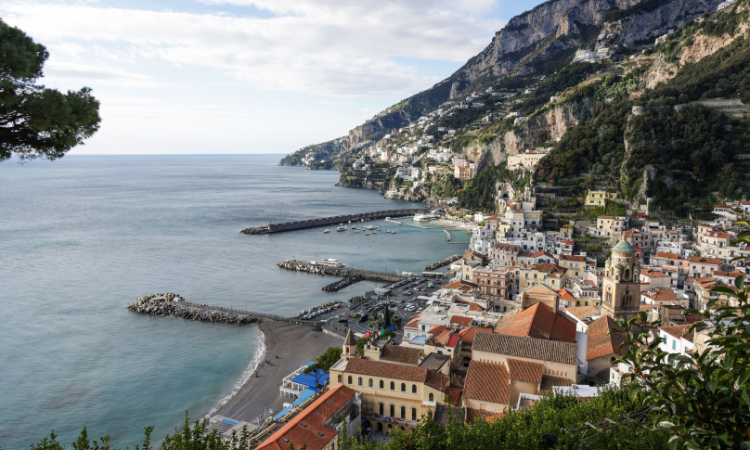
The Amalfi Coast is consistently ranked among the best places to visit in Italy thanks to its dramatic cliffs, colorful seaside villages, and sparkling Mediterranean waters. Stretching along southern Italy’s coastline, this UNESCO World Heritage Site offers a perfect combination of scenic drives, luxury hotels, charming fishing towns, and authentic Italian hospitality. While Positano and Amalfi attract most visitors, quieter villages such as Praiano and Atrani provide a slower pace, fewer crowds, and equally impressive coastal views.
Why Visit: The Amalfi Coast delivers unforgettable scenery, excellent seafood, scenic hiking trails, historic churches, and some of Italy’s most picturesque beaches.
Top Attractions: Positano, Amalfi, Ravello, Path of the Gods hiking trail, Villa Rufolo, Emerald Grotto, Fiordo di Furore, and nearby Capri.
Best Time to Visit: May to June and September offer warm weather with fewer visitors than the peak summer months.
Ideal Length of Stay: 3–5 days.
Who It’s Best For: Couples, honeymooners, photographers, luxury travelers, food lovers, and anyone planning a scenic Mediterranean vacation.
Insider Travel Tip: Stay in Praiano or Minori instead of Positano for lower accommodation prices while remaining close to the coast’s major attractions. Ferries often provide faster and more scenic transportation than driving during busy months.
Pros
- Spectacular coastal scenery
- Excellent seafood and local cuisine
- Beautiful hiking trails
- Charming villages with unique character
Cons
- Expensive hotels during peak season
- Narrow, congested coastal roads
- Limited parking throughout the region
Overall Recommendation: The Amalfi Coast combines breathtaking landscapes with authentic Italian culture, making it one of the country’s most memorable destinations for travelers seeking relaxation, romance, and stunning coastal scenery.
READ ALSO THE BEST PLACES TO VISIT IN NEW YORK (top 10) : The ultimate travel guide
5. Tuscany – Rolling Vineyards and Timeless Countryside
Overview
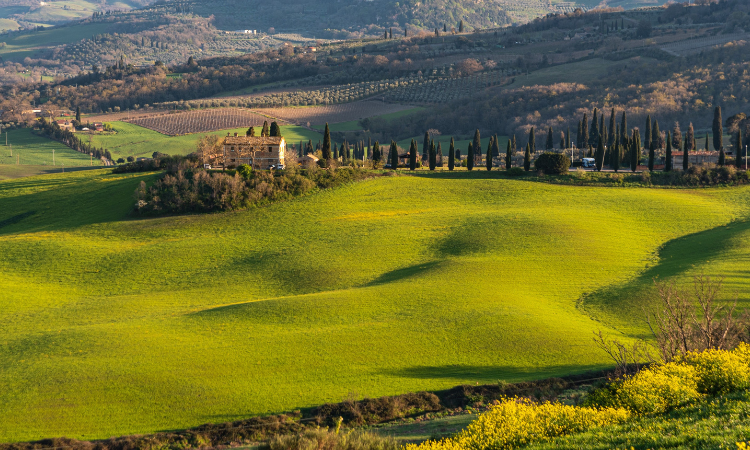
Tuscany remains one of the best places to visit in Italy for travelers seeking peaceful countryside, exceptional food, and historic towns. Beyond Florence, the region unfolds into vineyard-covered hills, medieval villages, olive groves, and scenic country roads that invite slow exploration. Famous wine towns like Montepulciano and Montalcino attract visitors from around the world, while lesser-known places such as Pienza and Volterra provide authentic experiences with fewer crowds.
Why Visit: Tuscany offers outstanding wines, Renaissance history, farm-to-table cuisine, scenic drives, cycling routes, and charming villages that preserve centuries-old traditions.
Top Attractions: Siena, San Gimignano, Pienza, Val d’Orcia, Chianti Wine Region, Montepulciano, Pisa, Lucca, and the Saturnia Hot Springs.
Best Time to Visit: April to June and September to October provide pleasant temperatures and beautiful vineyard landscapes.
Ideal Length of Stay: 4–7 days.
Who It’s Best For: Food lovers, wine enthusiasts, couples, photographers, road-trippers, cyclists, and travelers seeking a slower pace.
Insider Travel Tip: Renting a car offers the greatest flexibility. Visit wineries by reservation and spend at least one night in a countryside agriturismo for a more authentic Tuscan experience.
Pros
- Beautiful countryside and vineyards
- Outstanding regional cuisine
- Historic medieval towns
- Excellent wine experiences
Cons
- Public transportation is limited outside major cities
- A rental car is often necessary
- Summer temperatures can become very warm
Overall Recommendation: Tuscany delivers an unforgettable combination of landscapes, gastronomy, history, and relaxation. It’s the ideal destination for travelers who want to experience Italy beyond its famous cities.
6. Milan – Italy’s Fashion and Design Capital
Overview
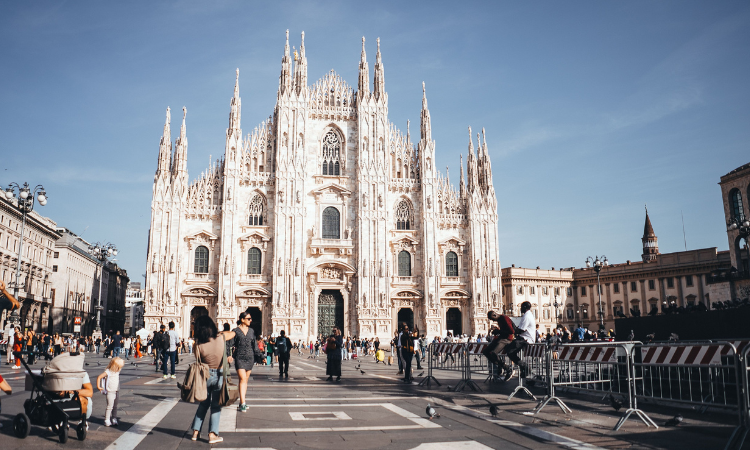
Milan earns its place among the best places to visit in Italy by offering a sophisticated mix of history, fashion, architecture, and contemporary culture. While internationally recognized as Italy’s financial and fashion capital, the city also boasts remarkable historic landmarks, outstanding museums, and vibrant neighborhoods filled with cafés, galleries, and designer boutiques. Districts such as Brera and Navigli reveal a more local side of Milan, where independent shops and canal-side restaurants create a welcoming atmosphere beyond the luxury shopping streets.
Why Visit: Milan combines iconic architecture, world-class shopping, renowned art collections, innovative dining, and excellent transport links for exploring northern Italy.
Top Attractions: Duomo di Milano, Galleria Vittorio Emanuele II, Sforza Castle, Leonardo da Vinci’s The Last Supper, Brera District, Navigli Canals, Teatro alla Scala, and CityLife.
Best Time to Visit: April to May and September to October offer comfortable temperatures and ideal sightseeing conditions.
Ideal Length of Stay: 2–3 days.
Who It’s Best For: Fashion enthusiasts, business travelers, art lovers, city-break visitors, and travelers exploring northern Italy.
Insider Travel Tip: Reserve tickets for The Last Supper several months before your trip, as daily visitor numbers are strictly limited. Spend an evening along the Navigli canals for excellent restaurants and a lively local atmosphere.
Pros
- Outstanding shopping and fashion
- Excellent museums and architecture
- Superb transportation network
- Great food and nightlife
Cons
- More expensive than many Italian cities
- Fewer ancient landmarks than Rome or Florence
- Busy during Fashion Week and major events
Overall Recommendation: Milan offers a modern perspective on Italy while preserving its remarkable artistic and historical heritage. It’s an excellent destination for travelers seeking culture, shopping, fine dining, and convenient access to northern Italy.
7. Cinque Terre – Colorful Villages Along Italy’s Rugged Coastline
Overview
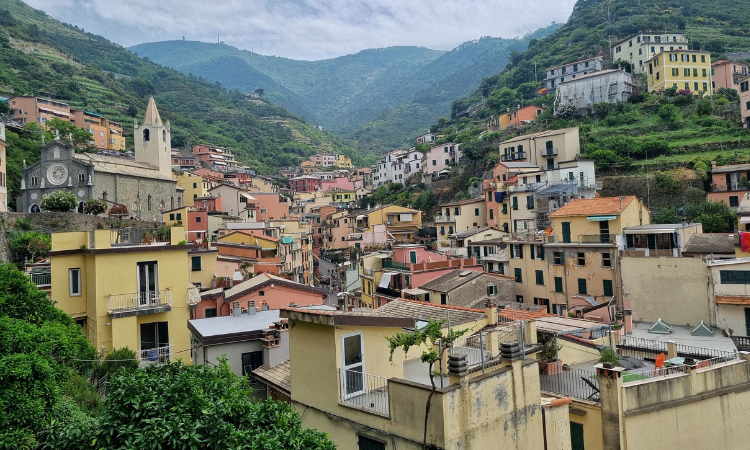
Cinque Terre is one of the best places to visit in Italy for travelers who love dramatic landscapes, charming villages, and outdoor adventures. Located on the Ligurian coast, this UNESCO World Heritage Site consists of five historic fishing villages built into steep cliffs overlooking the Mediterranean Sea. Unlike Italy’s larger cities, Cinque Terre offers a slower travel experience where visitors can hike scenic trails, swim in clear waters, and enjoy fresh seafood while surrounded by spectacular coastal views.
Why Visit: Cinque Terre combines natural beauty, traditional Italian village life, coastal hiking, and unforgettable photography opportunities. It is an ideal destination for travelers wanting a mix of relaxation and adventure.
Top Attractions: Monterosso al Mare beach, Vernazza harbor, Manarola viewpoints, Corniglia village, Riomaggiore, Sentiero Azzurro hiking trails, and sunset views from coastal paths.
Best Time to Visit: May, June, September, and early October provide pleasant weather with fewer crowds than July and August.
Ideal Length of Stay: 2–4 days.
Who It’s Best For: Hikers, couples, photographers, nature lovers, and travelers seeking scenic coastal escapes.
Insider Travel Tip: Stay overnight instead of visiting only on a day trip. Early mornings and evenings offer peaceful village walks when most tourists have left.
Pros
- Stunning coastal scenery
- Excellent hiking opportunities
- Authentic fishing villages
- Fresh seafood and local wines
Cons
- Crowded during summer
- Many steep paths and stairs
- Accommodation can be limited and expensive
Overall Recommendation: Cinque Terre is a must-visit destination for travelers who want a beautiful combination of nature, culture, and adventure. Its colorful villages and dramatic coastline create one of Italy’s most memorable travel experiences.
8. Lake Como – Luxury, Nature, and Alpine Beauty
Overview
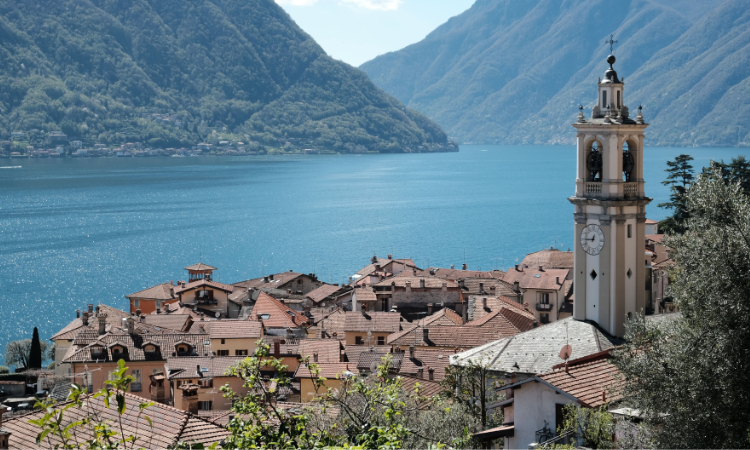
Lake Como is among the best places to visit in Italy for travelers seeking elegant scenery, peaceful surroundings, and a more refined Italian experience. Located in northern Italy near the Swiss border, this spectacular lake is surrounded by mountains, charming villages, historic villas, and beautiful gardens. Although famous for luxury escapes, Lake Como also offers affordable experiences through public ferries, hiking trails, and smaller lakeside towns such as Varenna and Menaggio.
Why Visit: Lake Como offers breathtaking landscapes, romantic villages, historic architecture, outdoor activities, and a relaxing atmosphere away from busy city destinations.
Top Attractions: Bellagio, Varenna, Villa Carlotta, Villa del Balbianello, Como town, Menaggio, lake cruises, and mountain viewpoints.
Best Time to Visit: May to September is ideal for boat trips, outdoor activities, and enjoying the gardens. September is especially pleasant with fewer crowds.
Ideal Length of Stay: 2–4 days.
Who It’s Best For: Couples, luxury travelers, photographers, nature lovers, and visitors seeking relaxation.
Insider Travel Tip: Avoid staying only in the most famous towns. Smaller villages like Varenna provide excellent views, easier transportation, and a more authentic atmosphere.
Pros
- Incredible mountain and lake scenery
- Romantic atmosphere
- Beautiful historic villas
- Excellent hiking and boat experiences
Cons
- Expensive accommodation in popular areas
- Crowded during summer
- Weather can change quickly in mountain areas
Overall Recommendation: Lake Como delivers one of Italy’s most beautiful combinations of nature and elegance. It is perfect for travelers who want scenic views, peaceful moments, and memorable experiences surrounded by alpine landscapes.
9. Sicily – Ancient History, Beaches, and Authentic Italian Culture
Overview
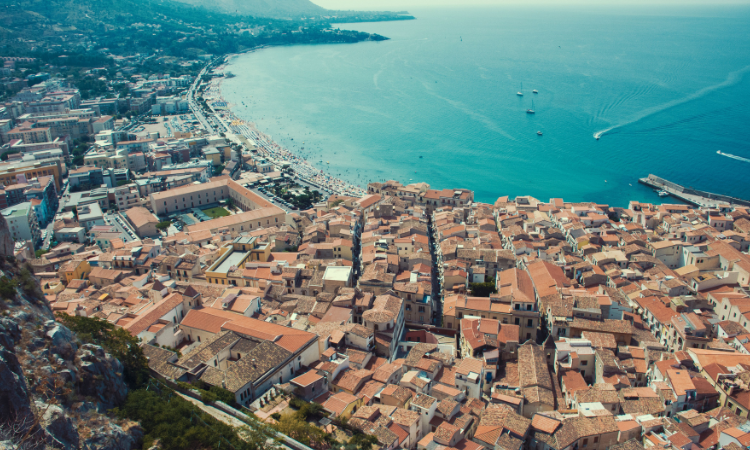
Sicily is one of the most diverse destinations in the country and deserves a place among the best places to visit in Italy. Italy’s largest island offers a unique blend of ancient civilizations, volcanic landscapes, beautiful beaches, and distinctive cuisine shaped by Greek, Arab, Norman, and Italian influences. From historic cities to quiet coastal villages, Sicily provides experiences that feel different from mainland Italy.
Why Visit: Sicily combines archaeological treasures, excellent food, Mediterranean beaches, dramatic scenery, and vibrant local traditions. It is ideal for travelers looking for culture and adventure in one destination.
Top Attractions: Mount Etna, Valley of the Temples, Palermo, Taormina, Syracuse, Ortigia Island, Cefalù, Scala dei Turchi, and Noto.
Best Time to Visit: April to June and September to October offer warm weather without the intense summer heat.
Ideal Length of Stay: 5–7 days.
Who It’s Best For: History lovers, food travelers, beach enthusiasts, photographers, and road-trip adventurers.
Insider Travel Tip: Rent a car if possible. Sicily’s best experiences are spread across the island, and driving allows visitors to discover smaller towns, beaches, and countryside areas.
Pros
- Incredible historical attractions
- Outstanding regional cuisine
- Beautiful beaches and landscapes
- Excellent value compared with northern Italy
Cons
- Distances between attractions can be long
- Public transportation is limited in some areas
- Summer temperatures can be extremely high
Overall Recommendation: Sicily offers one of Italy’s most rewarding travel experiences. Its combination of history, food, landscapes, and local traditions makes it a destination worth exploring slowly.
10. The Dolomites – Italy’s Ultimate Mountain Escape

Overview
The Dolomites complete this list of the best places to visit in Italy with some of the country’s most spectacular natural scenery. Located in northeastern Italy, this UNESCO World Heritage mountain range features dramatic peaks, green valleys, alpine villages, and some of Europe’s best outdoor experiences. Unlike Italy’s famous coastal and cultural destinations, the Dolomites showcase a quieter side of the country focused on adventure, nature, and wellness.
Why Visit: The region offers world-class hiking, skiing, scenic drives, mountain lakes, and breathtaking landscapes throughout the year.
Top Attractions: Tre Cime di Lavaredo, Lago di Braies, Val Gardena, Cortina d’Ampezzo, Seceda viewpoint, Alpe di Siusi, and Great Dolomites Road.
Best Time to Visit: June to September for hiking and December to March for skiing and winter activities.
Ideal Length of Stay: 3–6 days.
Who It’s Best For: Outdoor enthusiasts, hikers, photographers, families, and adventure travelers.
Insider Travel Tip: Start popular hikes early in the morning, especially around Lago di Braies and Tre Cime, to enjoy better parking availability and quieter trails.
Pros
- Incredible mountain scenery
- Excellent hiking and skiing
- Clean alpine villages
- Unique nature experiences
Cons
- Weather can change quickly
- Some areas require a car
- Popular locations become busy in peak seasons
Overall Recommendation: The Dolomites offer a completely different Italian experience filled with adventure, fresh air, and unforgettable landscapes. They are an excellent choice for travelers who want to combine Italy’s culture with outdoor exploration.
How to Choose the Best Destination in Italy
Choosing the best destination in Italy depends on your travel style, interests, budget, and the type of experience you want to create. Italy offers everything from historic cities and romantic coastlines to peaceful countryside and dramatic mountain landscapes, so selecting the right location can make your trip far more enjoyable.
First-time visitors often benefit from combining iconic destinations such as Rome, Florence, and Venice. These cities provide easy access to Italy’s most famous landmarks, museums, architecture, and cultural experiences. Couples looking for romance should consider destinations like the Amalfi Coast, Lake Como, or Venice, where scenic views, charming streets, and unforgettable dining experiences create a special atmosphere.
Families may prefer destinations with convenient transportation, outdoor activities, and attractions suitable for all ages. Tuscany, Lake Garda, and Rome are excellent choices because they offer a balance of sightseeing, nature, and family-friendly experiences. Solo travelers often enjoy Florence, Bologna, and Milan because these cities are walkable, well-connected, and filled with social opportunities.
For beach holidays, destinations such as Sicily, Sardinia, Puglia, and the Amalfi Coast provide beautiful coastlines and Mediterranean scenery. History lovers should prioritize Rome, Pompeii, Florence, and Sicily for ancient ruins, museums, and cultural landmarks. Food lovers will enjoy regions like Tuscany, Emilia-Romagna, Naples, and Sicily, where local traditions, markets, and regional dishes are major highlights.
Travelers seeking outdoor adventures should explore the Dolomites for hiking and skiing, while budget-conscious visitors can consider Bologna, Naples, Palermo, or smaller towns where accommodation and dining costs are often lower. The best destination is ultimately the one that matches your interests, travel pace, and expectations.
Essential Travel Tips for Italy
Planning ahead can make your Italian vacation smoother and more enjoyable. The best time to visit Italy depends on your destination. Spring (April to June) and autumn (September to October) generally offer comfortable weather, fewer crowds, and excellent conditions for sightseeing. Summer is ideal for beaches but can be busy and expensive, especially in popular coastal areas.
Transportation in Italy is convenient, especially between major cities. High-speed trains operated by companies such as Trenitalia and Italo connect destinations like Rome, Florence, Milan, Venice, and Naples quickly and comfortably. Booking train tickets early can help secure better prices, especially during busy travel periods. For countryside destinations such as Tuscany or the Dolomites, renting a car often provides more flexibility.
Create a realistic budget that includes accommodation, meals, attractions, transportation, and occasional experiences such as tours or cooking classes. Italy offers options for different budgets, from affordable guesthouses to luxury hotels and villas.
Respecting local etiquette improves your experience. Dress appropriately when visiting churches, greet locals politely, avoid rushing meals, and remember that dinner is often enjoyed later in the evening. Italy is generally safe for tourists, but stay aware of your belongings in crowded areas and public transportation.
Book popular attractions in advance, including the Colosseum, Vatican Museums, Uffizi Gallery, and major museums. Reserving tickets early helps avoid long queues and ensures you do not miss important experiences.
What to Pack for Italy
Packing for Italy depends on the season and destinations you plan to visit. Comfortable walking shoes are essential because many historic areas feature cobblestone streets, stairs, and pedestrian zones. Choose lightweight clothing for warmer months, especially if visiting cities such as Rome, Florence, or Naples during summer.
Sun protection is important throughout much of the year. Pack sunglasses, sunscreen, and a hat for outdoor sightseeing, beach days, and countryside exploration. A reusable water bottle is also useful, as many Italian cities have public drinking fountains where you can refill safely.
A portable charger helps keep your phone powered for navigation, digital tickets, travel photos, and communication throughout the day. A travel adapter is necessary for visitors from countries using different plug types.
For spring, autumn, and cooler evenings, bring a light jacket or sweater. Mountain destinations such as the Dolomites require warmer layers, while coastal areas may need a light cover-up after sunset. Packing smart allows you to travel comfortably while keeping luggage manageable.
Frequently Asked Questions About the Best Places to Visit in Italy
What is the best place to visit in Italy?
The best place to visit in Italy depends on your interests, but Rome is often the top choice for first-time visitors because it combines ancient history, famous landmarks, incredible food, and cultural experiences. Other excellent choices include Florence for art, Venice for romance, the Amalfi Coast for beaches, and Tuscany for countryside escapes.
Which city should I visit first in Italy?
Rome is usually the best city to visit first in Italy because it offers a complete introduction to the country’s history, culture, architecture, and cuisine. Visitors can explore iconic attractions like the Colosseum, Vatican City, and Roman Forum while enjoying authentic neighborhoods, traditional restaurants, and easy connections to other Italian destinations.
Is Italy expensive for tourists?
Italy can be expensive in popular destinations such as Venice, Amalfi Coast, and Lake Como, especially during peak seasons. However, travelers can reduce costs by visiting smaller cities, booking accommodations early, eating at local restaurants, using trains, and traveling during spring or autumn. Italy offers options for luxury, mid-range, and budget travelers.
What is the most beautiful part of Italy?
The most beautiful part of Italy depends on personal preference, but many travelers consider the Amalfi Coast, Tuscany, the Dolomites, and Lake Como among the country’s most scenic regions. Each destination offers something different, from dramatic coastlines and mountain landscapes to vineyards, historic villages, and peaceful countryside views.
What is the best month to visit Italy?
The best months to visit Italy are generally April, May, September, and October. These periods offer pleasant temperatures, fewer crowds, and better prices compared with the busy summer season. Spring is ideal for city sightseeing and outdoor activities, while autumn is perfect for food festivals, wine regions, and exploring Italy’s countryside.
Is 7 days enough for Italy?
Seven days is enough for a focused Italy trip, but not enough to see the entire country. A one-week itinerary works best when visiting two or three destinations, such as Rome and Florence, Venice and Milan, or Naples and the Amalfi Coast. Slower travel allows you to enjoy each location without rushing.
Which Italian city is best for families?
Rome, Florence, and Lake Garda are among the best Italian destinations for families. Rome offers fascinating history and attractions for all ages, Florence is compact and easy to explore, and Lake Garda provides beaches, outdoor activities, and family-friendly experiences. Choosing destinations with convenient transportation makes traveling with children much easier.
Where should couples go in Italy?
Couples often choose destinations such as Venice, the Amalfi Coast, Tuscany, and Lake Como for romantic Italian getaways. These locations offer beautiful scenery, charming streets, scenic boat rides, excellent restaurants, and memorable experiences. Whether you prefer coastal relaxation, wine tasting, or exploring historic cities, Italy has romantic options for every couple.
Which beaches are the best in Italy?
Some of the best beaches in Italy can be found in Sardinia, Sicily, Puglia, the Amalfi Coast, and Calabria. Sardinia is famous for turquoise waters and white-sand beaches, while Sicily offers beautiful coastlines combined with history and culture. Puglia provides excellent beaches with charming coastal towns and authentic local experiences.
What foods should I try in Italy?
Italy offers incredible regional cuisine, so the foods you try depend on where you travel. Popular choices include Neapolitan pizza in Naples, pasta dishes in Rome, gelato throughout the country, fresh seafood along the coast, Tuscan steak, risotto in northern Italy, and local wines from regions such as Tuscany and Piedmont.
Is Italy safe for tourists?
Italy is generally considered a safe destination for tourists, with millions of visitors traveling there every year. The most common issues are petty theft and pickpocketing in crowded tourist areas, train stations, and public transportation. Staying aware of your belongings, avoiding isolated areas late at night, and following normal travel precautions can help ensure a safe trip.
Do I need a car to travel around Italy?
You do not need a car to travel between Italy’s major cities because high-speed trains connect destinations like Rome, Florence, Milan, Venice, and Naples efficiently. However, renting a car is useful for exploring rural areas such as Tuscany, Sicily, Puglia, and the Dolomites, where public transportation may be limited.
What are Italy’s hidden gems?
Some of Italy’s lesser-known destinations include Matera, Puglia’s villages, Bologna, Verona, Umbria, and the Aeolian Islands. These places offer impressive architecture, local cuisine, beautiful landscapes, and authentic experiences with fewer crowds than famous destinations. Exploring smaller towns can reveal a quieter and more traditional side of Italian culture.
Which destinations are best for first-time visitors?
First-time visitors should consider Rome, Florence, Venice, and the Amalfi Coast because these destinations showcase Italy’s most famous attractions, food, history, and scenery. A classic first trip often combines major cities with a coastal or countryside experience to create a balanced introduction to Italian culture and lifestyle.
How many days should I spend in Italy?
Ideally, travelers should spend 10 to 14 days in Italy to experience several regions without feeling rushed. However, shorter trips can still be rewarding by focusing on a specific area. A week works well for two or three destinations, while longer visits allow time for hidden gems, countryside stays, and slower cultural experiences.
Conclusion: Planning Your Italian Adventure
Italy offers an incredible variety of destinations, making it one of Europe’s most rewarding countries to explore. For the best overall experience, Rome remains the ideal choice thanks to its unmatched combination of history, culture, food, and iconic landmarks. Travelers looking for a memorable city break should consider Florence or Venice, where art, architecture, and atmosphere create unforgettable experiences.
For beach lovers, the Amalfi Coast, Sicily, Sardinia, and Puglia provide beautiful coastlines, Mediterranean scenery, and relaxing escapes. Families often enjoy destinations such as Rome, Florence, and Lake Garda because they combine sightseeing with convenient travel and activities for different ages. Couples seeking romance will find unforgettable moments in Venice, Tuscany, Lake Como, and the Amalfi Coast.
Culture enthusiasts should explore Rome, Florence, Sicily, and smaller historic towns where ancient ruins, museums, traditions, and regional cuisine reveal Italy’s fascinating past. Outdoor travelers can experience the dramatic landscapes of the Dolomites, while food lovers can discover regional specialties throughout the country.
Before booking your trip, consider your travel style, preferred season, budget, and the experiences you value most. Plan transportation, reserve popular attractions early, and allow enough time to enjoy each destination at a comfortable pace. Italy rewards slow exploration, curiosity, and careful planning. Start creating your itinerary today and prepare for an unforgettable Italian adventure.