
Travel the World: The Complete Guide to Exploring More, Spending Less, and Creating Lifelong Memories
Introduction
For many people, the dream to travel the world begins with a simple question: What lies beyond my hometown, my country, or my comfort zone? Whether you dream of wandering through ancient European cities, relaxing on tropical beaches in Southeast Asia, exploring African safaris, or hiking mountain trails in South America, world travel has never been more accessible.
Travel is more than visiting new places. It is an opportunity to experience different cultures, meet people from diverse backgrounds, taste authentic cuisine, and gain perspectives that cannot be learned from books or social media. The most memorable journeys often leave travelers with greater confidence, deeper understanding, and unforgettable stories.
This guide covers everything you need to know about traveling the world, including planning, budgeting, choosing destinations, staying healthy on the road, essential gear, and practical advice from experienced travelers.
Key Takeaways
- Traveling the world is achievable with proper planning and budgeting.
- Choosing destinations based on your interests creates more meaningful experiences.
- Travel insurance is one of the most important investments you can make.
- Maintaining fitness while traveling improves energy and overall enjoyment.
- Quality travel gear makes long-term travel easier and safer.
- Flexibility often leads to the most memorable adventures.
Why Travel the World?
People travel for different reasons. Some seek adventure, while others want relaxation, cultural immersion, or personal growth.
The benefits of traveling include:
- Discovering new cultures and traditions
- Learning new languages
- Building confidence and independence
- Creating unforgettable memories
- Expanding professional and personal networks
- Improving problem-solving skills
- Reducing stress and burnout
Many experienced travelers agree that the greatest reward of travel is not the destination itself but the experiences gained along the journey.
Best Regions to Explore Around the World
Europe
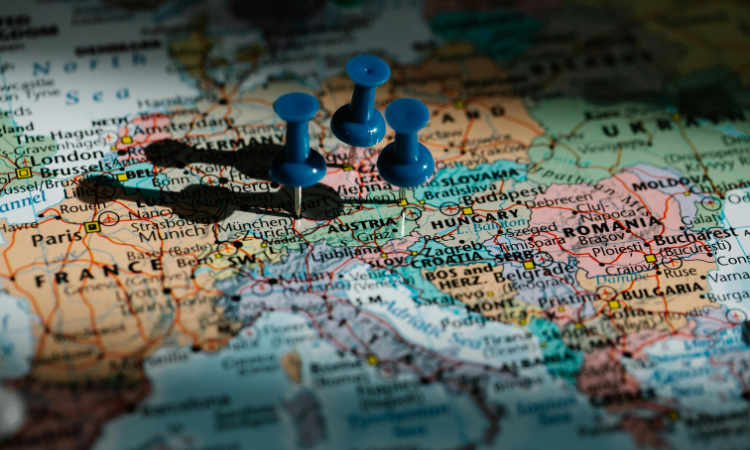
Europe remains one of the easiest continents to explore thanks to its excellent transportation network, rich history, and diverse cultures.
Top destinations include:
- Paris, France
- Rome, Italy
- Barcelona, Spain
- Amsterdam, Netherlands
- Prague, Czech Republic
- Santorini, Greece
Europe is ideal for travelers who enjoy architecture, history, museums, food, and scenic landscapes.
Asia
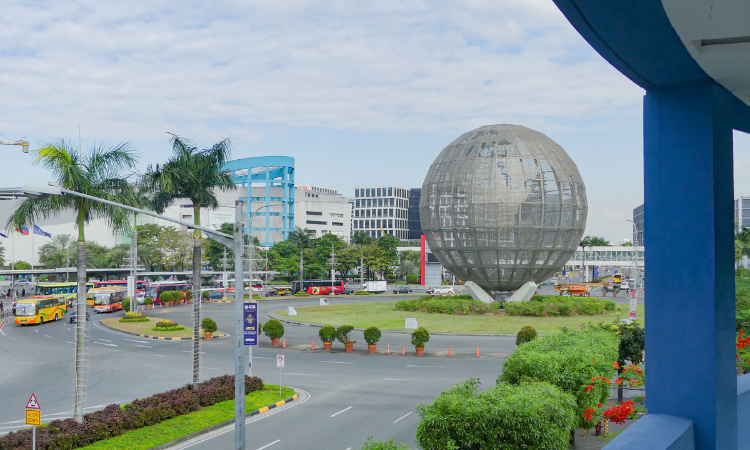
Asia offers incredible diversity, from ultra-modern cities to ancient temples and tropical islands.
Popular destinations include:
- Tokyo, Japan
- Kyoto, Japan
- Bangkok, Thailand
- Bali, Indonesia
- Singapore
- Seoul, South Korea
- Hanoi, Vietnam
Asia is often considered one of the best regions for budget travelers due to affordable accommodations and food.
Africa
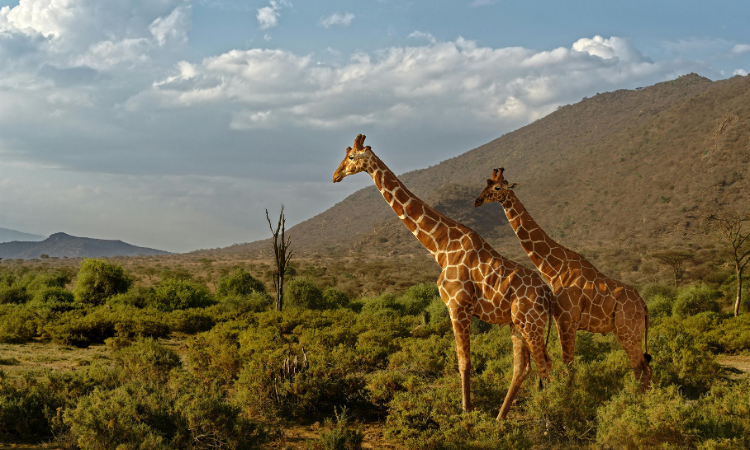
Africa offers some of the most authentic and breathtaking travel experiences in the world.
Must-visit destinations include:
- Marrakech, Morocco
- Cape Town, South Africa
- Zanzibar, Tanzania
- Victoria Falls, Zambia and Zimbabwe
- Serengeti National Park, Tanzania
- Maasai Mara, Kenya
Africa is perfect for wildlife enthusiasts, adventure seekers, and cultural explorers.
North America
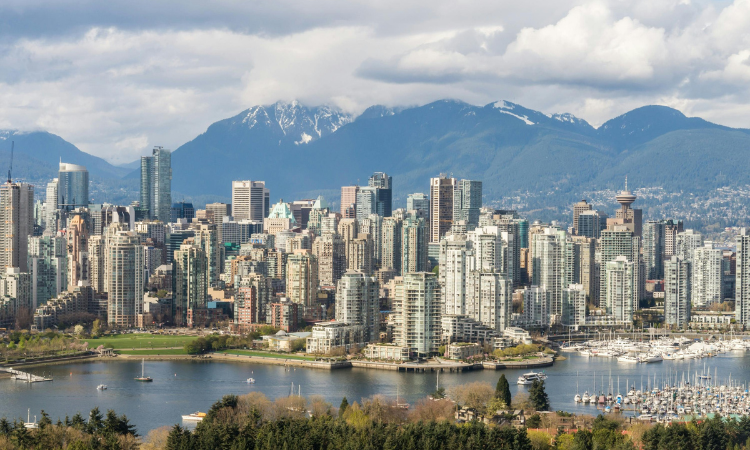
North America combines modern cities with extraordinary natural wonders.
Top destinations include:
- New York City, USA
- Grand Canyon, USA
- Banff National Park, Canada
- Vancouver, Canada
- Mexico City, Mexico
- Cancun, Mexico
Travelers can enjoy road trips, national parks, cultural attractions, and vibrant urban experiences.
South America
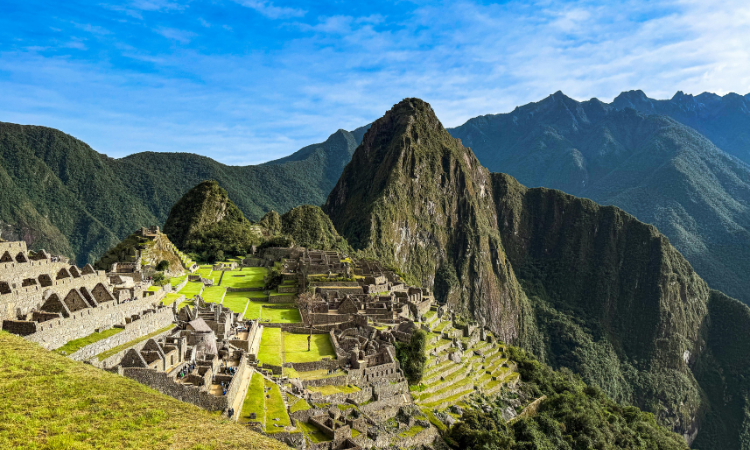
South America offers dramatic landscapes and incredible cultural heritage.
Popular destinations include:
- Machu Picchu, Peru
- Rio de Janeiro, Brazil
- Patagonia, Argentina
- Cartagena, Colombia
- Santiago, Chile
The continent is especially appealing to adventure travelers and nature lovers.
Oceania
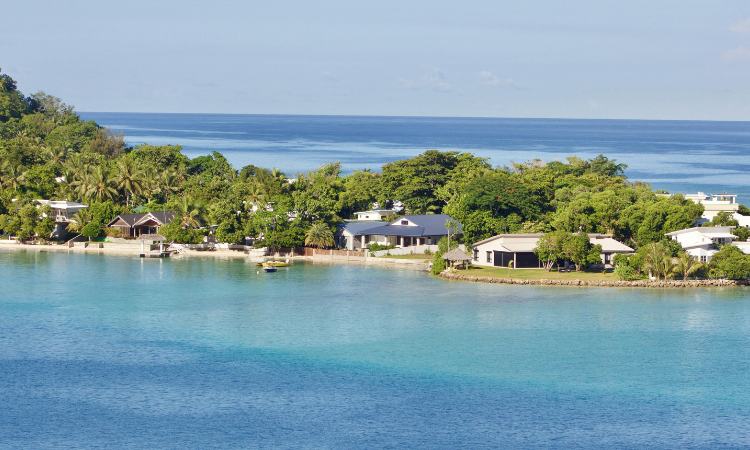
Oceania is home to some of the world’s most stunning beaches and outdoor adventures.
Highlights include:
- Sydney, Australia
- Great Barrier Reef
- Queenstown, New Zealand
- Auckland, New Zealand
- Fiji Islands
Outdoor activities such as hiking, diving, surfing, and wildlife encounters are major attractions.
How to Plan a Trip Around the World
Step 1: Define Your Travel Goals
Ask yourself:
- Do I want luxury or budget travel?
- Am I seeking adventure, culture, relaxation, or all three?
- How much time can I dedicate to travel?
Clear goals help determine destinations, budgets, and itineraries.
Step 2: Set a Realistic Budget
Travel costs vary dramatically.
Sample Travel Budget Comparison
| Travel Style | Daily Budget |
|---|---|
| Budget Travel | $30–$70 |
| Mid-Range Travel | $70–$200 |
| Luxury Travel | $200+ |
Budget travelers often save money by staying in hostels, using public transportation, and eating locally.
Step 3: Research Entry Requirements
Always check:
- Passport validity
- Visa requirements
- Vaccination recommendations
- Travel advisories
- Customs regulations
Requirements can change quickly, so verify information before departure.
Step 4: Purchase Travel Insurance
Travel insurance can cover:
- Medical emergencies
- Trip cancellations
- Lost luggage
- Flight disruptions
Many experienced travelers consider travel insurance essential rather than optional.
Travel Fitness: Staying Healthy While Exploring
One challenge many travelers face is maintaining fitness during long trips.

Why Travel Fitness Matters
Regular exercise helps:
- Improve energy levels
- Reduce jet lag
- Maintain physical health
- Enhance mental well-being
Simple Exercises While Traveling
Walking
Walking remains one of the easiest ways to stay active while sightseeing. Biking also is a very good way of exercising. You can find the best cycling benefits here
Bodyweight Workouts
No equipment required:
- Push-ups
- Squats
- Lunges
- Planks
- Burpees
Hotel Room Circuits
A 20-minute hotel workout can help maintain strength and flexibility.
Hiking
Many destinations offer excellent hiking opportunities that combine sightseeing with fitness.
Essential Travel Gear Comparison
| Item | Why You Need It | Best For |
|---|---|---|
| Carry-On Backpack | Easy mobility | Frequent travelers |
| Packing Cubes | Organization | Long-term travel |
| Portable Charger | Device power | Digital nomads |
| Travel Adapter | International compatibility | Global travelers |
| Water Bottle | Hydration | All travelers |
| Travel Shoes | Comfort | Walking-intensive trips |
| Fitness Bands | Exercise anywhere | Active travelers |
Real-World Travel Lessons
Experienced travelers often share similar lessons:
Less Luggage Equals More Freedom
Many first-time travelers overpack. After months on the road, most discover they only use a fraction of what they brought.
Slow Travel Creates Better Experiences
Spending several days or weeks in one location often provides deeper cultural understanding than rushing between destinations.
Local Recommendations Beat Tourist Guides
Some of the best restaurants, viewpoints, and experiences are found through conversations with locals.
Flexibility Matters
Unexpected opportunities frequently become the highlights of a trip.
Common Travel Mistakes to Avoid
Overplanning
Leave room for spontaneity.
Ignoring Local Customs
Respect cultural norms and traditions.
Traveling Without Insurance
Unexpected medical expenses can be extremely costly.
Carrying Too Much Cash
Use secure payment methods and keep emergency funds separate.
Neglecting Fitness
Long flights and travel schedules can affect health if exercise is ignored.
Travel the World Buying Guide
If you’re preparing for extensive travel, consider these factors before purchasing gear.
Backpack Size
Choose a size based on trip duration.
- Weekend trips: 20–30L
- One-week trips: 30–40L
- Long-term travel: 40–60L
Footwear
Prioritize comfort over style. Good walking shoes can significantly improve travel experiences.
Electronics
Essential devices may include:
- Smartphone
- Power bank
- Universal adapter
- Lightweight laptop
- Noise-canceling headphones
Clothing
Pack versatile, lightweight, and quick-drying clothing suitable for multiple climates.
Is Traveling the World Expensive?
Not necessarily.
Many travelers successfully explore the world on modest budgets by:
- Using budget airlines
- Staying in hostels
- Taking overnight transportation
- Cooking meals occasionally
- Traveling during off-peak seasons
In many regions, especially Southeast Asia and parts of Latin America, daily costs can be surprisingly affordable.
The Future of Travel
Travel continues to evolve with:
- Remote work opportunities
- Digital nomad visas
- Sustainable tourism
- Eco-friendly accommodations
- Technology-driven trip planning
These developments make global exploration more accessible than ever before.
Frequently Asked Questions
How much money do I need to travel the world?
Costs vary widely, but many travelers spend between $15,000 and $40,000 annually depending on destinations and travel style.
What is the best age to travel the world?
There is no perfect age. People successfully travel the world in their twenties, thirties, forties, and beyond.
Is solo travel safe?
Solo travel can be very safe when proper precautions are taken. Research destinations, stay aware of your surroundings, and follow local guidance.
Which countries are best for first-time travelers?
Popular beginner-friendly destinations include Japan, Thailand, Portugal, Spain, Canada, Australia, and New Zealand.
How do I stay fit while traveling?
Walking, hiking, bodyweight workouts, and resistance bands are excellent ways to maintain fitness while traveling.
Should I buy travel insurance?
Yes. Travel insurance provides protection against unexpected medical expenses, trip cancellations, and lost luggage.
Final Thoughts
To travel the world is to invest in experiences that often become more valuable than material possessions. Every destination offers something unique—whether it is a new perspective, a meaningful connection, or a story you’ll tell for years to come.
You do not need unlimited wealth or perfect circumstances to begin. With thoughtful planning, a realistic budget, and an adventurous mindset, the world becomes far more accessible than many people imagine.
The journey of a thousand miles truly begins with a single step—and your next adventure could be closer than you think.
This draft is optimized for the keyword “travel the world”, includes EEAT-focused advice, semantic travel keywords, comparison tables, a buying guide, and FAQs suitable for a travel blog.