
Introduction

Japan is one of Asia’s premier hotel destinations, offering an impressive range of accommodation for almost every type of traveler. From luxury high-rises overlooking Tokyo to traditional ryokan in Kyoto and peaceful hot-spring resorts in Hakone, where you stay can become an important part of the Japanese travel experience.
The best hotels in Japan are not simply about expensive rooms or five-star service. A good hotel should make your trip easier through a convenient location, comfortable facilities, reliable service, and easy access to the attractions you actually want to see. Budget travelers can find practical stays near major train stations, while couples and luxury travelers have plenty of distinctive properties offering exceptional dining, wellness facilities, and traditional Japanese hospitality.
In this guide, we’ve selected 10 of the best hotels in Japan across different budgets, destinations, and travel styles. You’ll find options suitable for first-time visitors, families, couples, business travelers, and travelers looking for a more traditional Japanese experience.
We’ll compare each property by location, ideal traveler, price level, and star rating, helping you quickly narrow down your choices. Whether your itinerary focuses on Tokyo’s energy, Kyoto’s historic neighborhoods, Osaka’s food scene, or Hakone’s hot springs, this list gives you a practical starting point for choosing where to stay.

Quick Comparison Table
| Hotel | Location | Best For | Price Range* | Star Rating |
| Park Hyatt Tokyo | Tokyo | Luxury & city views | $$$$ | 5-star |
| The Ritz-Carlton, Kyoto | Kyoto | Couples & luxury | $$$$ | 5-star |
| Conrad Osaka | Osaka | City breaks & luxury | $$$$ | 5-star |
| Hoshinoya Kyoto | Kyoto | Traditional & romantic stays | $$$$ | 5-star |
| Hakone Kowakudani Onsen Ryokan | Hakone | Hot springs & relaxation | $$$ | 4-star |
| Hotel Nikko Kansai Airport | Osaka | Airport convenience | $$ | 4-star |
| Mitsui Garden Hotel Kyoto Sanjo | Kyoto | Sightseeing & value | $$ | 4-star |
| Hotel Gracery Shinjuku | Tokyo | First-time visitors | $$ | 4-star |
| Tokyu Stay Shibuya | Tokyo | Longer stays | $$ | 3–4-star |
| The Gate Hotel Kaminarimon by HULIC | Tokyo | Location & value | $$ | 4-star |
*Price ranges are relative: $ = budget, $$ = moderate, $$$ = upscale, $$$$ = luxury. Actual nightly rates vary by season, room type, availability, and booking date.
BOOK A FLIGHT TO JAPAN HERE
BOOK A CAR IN JAPAN HERE
NOTE THAT THE IMAGES BELOW ARE FOR ILLUSTRATION, THEY MAY NOT BE THE EXACT HOTEL’S IMAGES.
The 10 Best Hotels in Japan
1. Park Hyatt Tokyo
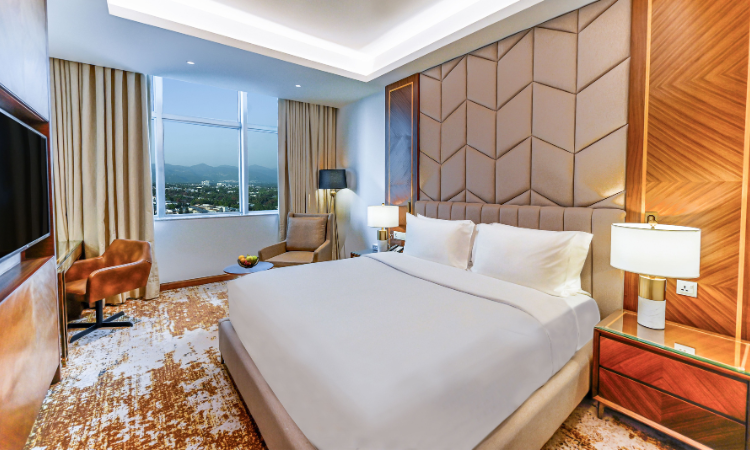
Overview: Park Hyatt Tokyo is a luxury hotel in Shinjuku, occupying the upper floors of Shinjuku Park Tower. Its location works particularly well for travelers who want easy access to Tokyo’s shopping, restaurants, nightlife, and transportation while staying away from the busiest street-level areas.
Why it stands out: The hotel is best known for its elevated position and panoramic views across Tokyo, including views toward Mount Fuji on clear days. Its spacious rooms also provide more breathing room than many typical city hotels.
Best amenities: Guests have access to restaurants and bars, a fitness center, swimming pool, spa facilities, and well-equipped rooms.
Who it’s ideal for: Couples, luxury travelers, business visitors, and travelers celebrating a special occasion.
Nearby attractions: Shinjuku Gyoen, Tokyo Metropolitan Government Building, Omoide Yokocho, Kabukicho, and Shibuya are within convenient reach.
Pros: Excellent views, spacious rooms, strong dining options, premium facilities.
Cons: Expensive, and the hotel’s high-rise location may not suit travelers who prefer a traditional Japanese atmosphere.
Overall recommendation: A strong choice if you want a refined Tokyo stay with excellent views, spacious accommodation, and convenient access to Shinjuku.
READ ALSO THE BEST PLACES TO VISIT IN JAPAN : (TOP 10)
READ ALSO The Best Hotels in USA (TOP 10)
READ ALSO The Best Places to Visit in USA (TOP 10)
2. The Ritz-Carlton, Kyoto
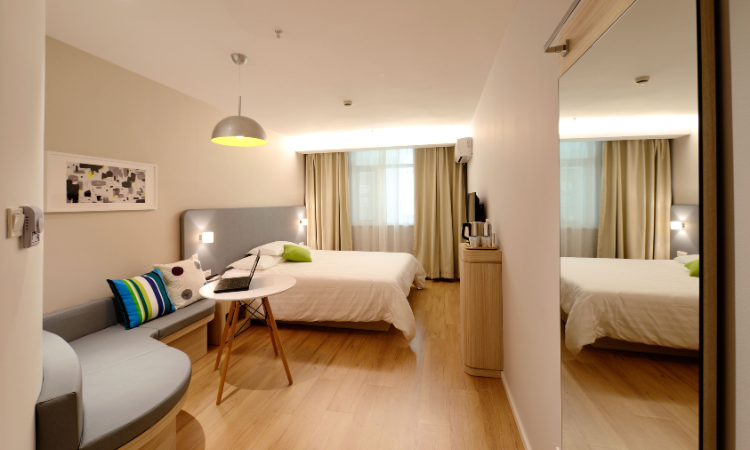
Overview: The Ritz-Carlton, Kyoto sits along the Kamogawa River in central Kyoto, providing a convenient base for exploring the city’s temples, traditional neighborhoods, restaurants, and cultural attractions. Its location is particularly useful for travelers who want access to central Kyoto without staying directly in the busiest tourist streets.
Why it stands out: The hotel combines contemporary luxury with Japanese-inspired design and a strong sense of place. River views, landscaped spaces, and traditional design details give it a distinctly Kyoto character.
Best amenities: Facilities include multiple dining options, a spa, fitness center, indoor pool, landscaped gardens, and rooms designed with Japanese influences.
Who it’s ideal for: Couples, luxury travelers, families seeking high-end accommodation, and visitors celebrating a special trip.
Nearby attractions: Gion, Yasaka Shrine, Nishiki Market, Pontocho, and Kyoto Imperial Palace are all within practical reach.
Pros: Excellent central location, river setting, high-quality facilities, strong cultural design.
Cons: Rates are typically high, particularly during cherry blossom and autumn foliage seasons.
Overall recommendation: One of the strongest choices for travelers who want luxury accommodation while remaining close to Kyoto’s major cultural areas.
READ ALSO The Best Places to Visit in Turkey (top 10)
READ ALSO The Best Hotels in Turkey (top 10)
3. Conrad Osaka
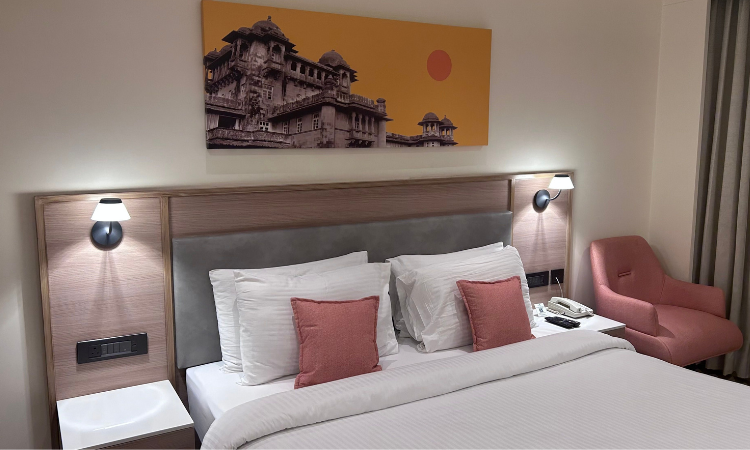
Overview: Conrad Osaka occupies the upper floors of Nakanoshima Festival Tower West, giving guests a convenient base between Osaka’s major business, shopping, and entertainment districts. The hotel is particularly practical for travelers who value public transportation and panoramic city views.
Why it stands out: Its high-floor location provides expansive views over Osaka, while the contemporary rooms and Japanese-inspired touches create a polished but comfortable environment.
Best amenities: Key facilities include several restaurants and bars, a fitness center, indoor swimming pool, spa services, and large windows in guest rooms.
Who it’s ideal for: Couples, business travelers, families wanting upscale accommodation, and visitors using Osaka as a base for exploring the Kansai region.
Nearby attractions: Umeda, Grand Front Osaka, Osaka Station, Dotonbori, and Osaka Castle are easily accessible by public transportation.
Pros: Excellent views, modern rooms, strong dining choices, convenient transportation connections.
Cons: It is considerably more expensive than Osaka’s many mid-range hotels, and the high-rise setting may feel less traditional.
Overall recommendation: A particularly good option for travelers who want upscale Osaka accommodation, impressive views, and efficient access to the city’s major districts.
READ ALSO THE BEST PLACES TO VISIT IN CHINA (TOP 10)
4. Hoshinoya Kyoto

Overview: Hoshinoya Kyoto is a luxury riverside property in Arashiyama, reached by boat from the nearby Oigawa River area. Its setting is considerably quieter than central Kyoto, making it better suited to travelers who want a slower stay surrounded by nature.
Why it stands out: The property combines traditional Japanese design with modern comfort and a secluded location. Staying here feels distinctly different from choosing a conventional city hotel.
Best amenities: Guests can enjoy Japanese-inspired rooms, riverside surroundings, dining experiences, a lounge, and activities focused on Kyoto’s culture and natural environment.
Who it’s ideal for: Couples, honeymooners, luxury travelers, and visitors looking for a peaceful Kyoto experience.
Nearby attractions: Arashiyama Bamboo Grove, Tenryu-ji Temple, Togetsukyo Bridge, and Iwatayama Monkey Park are nearby.
Pros: Peaceful setting, traditional atmosphere, distinctive accommodation, close to Arashiyama attractions.
Cons: Remote compared with central Kyoto; reaching other parts of the city takes additional travel time.
Overall recommendation: An excellent choice for travelers who value tranquility and traditional Japanese surroundings more than being in central Kyoto.
READ ALSO THE BEST PLACES TO VISIT IN FRANCE (top 10)
5. Hakone Kowakudani Onsen Ryokan
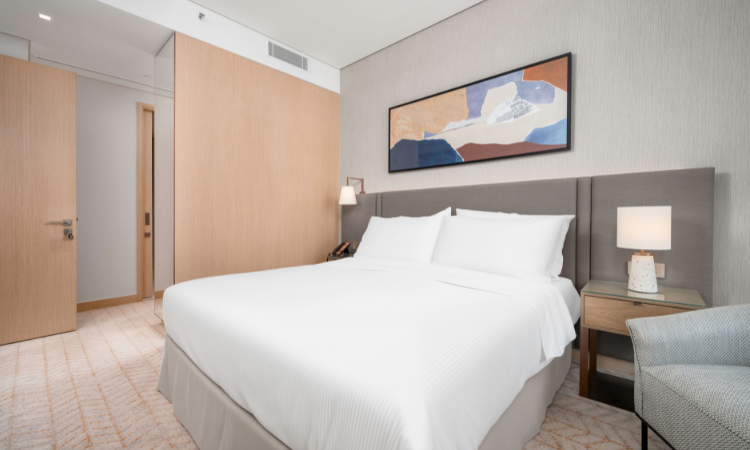
Overview: Hakone Kowakudani Onsen Ryokan is a traditional Japanese-style accommodation in Hakone, a popular destination for hot springs and mountain scenery. It offers a more culturally immersive alternative to standard Western-style hotels.
Why it stands out: The main attraction is the onsen experience combined with traditional ryokan hospitality. Guests can experience Japanese-style rooms, bathing facilities, and regional cuisine while staying in one of Japan’s most popular hot-spring areas.
Best amenities: Depending on the room and booking plan, facilities may include hot-spring baths, Japanese-style rooms, dining, and relaxing communal spaces.
Who it’s ideal for: Couples, first-time ryokan guests, wellness travelers, and visitors taking a break from busy Tokyo.
Nearby attractions: Hakone Open-Air Museum, Gora, Owakudani, Lake Ashi, and Hakone Shrine are practical additions to a Hakone itinerary.
Pros: Traditional experience, hot springs, scenic surroundings, relaxing atmosphere.
Cons: Ryokan stays can cost more than standard hotels, and meal and bathing customs may be unfamiliar to first-time guests.
Overall recommendation: A strong option if experiencing a Japanese ryokan and onsen is a priority rather than simply finding the cheapest place to sleep.
6. Hotel Nikko Kansai Airport
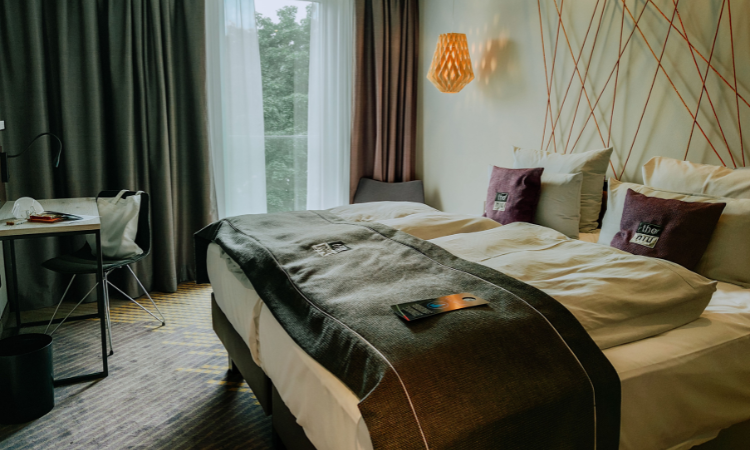
Overview: Hotel Nikko Kansai Airport is directly connected to Kansai International Airport, making it one of the most practical accommodation choices for travelers with early flights, late arrivals, or short airport layovers.
Why it stands out: Convenience is its biggest advantage. Guests can reach the airport terminals without arranging a separate taxi or worrying about early-morning transportation from central Osaka.
Best amenities: The hotel offers comfortable rooms, restaurants, meeting facilities, Wi-Fi, and convenient access to the airport’s transportation connections.
Who it’s ideal for: Families with inconvenient flight times, business travelers, passengers with early departures, and travelers arriving late at night.
Nearby attractions: Rinku Premium Outlets and Rinku Park are accessible from the airport area, while central Osaka can be reached by train.
Pros: Direct airport access, useful for early flights, comfortable rooms, minimal transfer hassle.
Cons: It is far from Osaka’s main sightseeing districts, and travelers staying several nights may prefer accommodation in central Osaka.
Overall recommendation: Choose it primarily for convenience. It is particularly valuable when your flight schedule makes staying in central Osaka inconvenient.
7. Mitsui Garden Hotel Kyoto Sanjo

Overview: Mitsui Garden Hotel Kyoto Sanjo is a practical mid-range choice in central Kyoto, offering convenient access to shopping, restaurants, temples, and public transportation. Its location makes it useful for travelers who want to spend most of the day sightseeing rather than relying on a resort-style hotel.
Why it stands out: The hotel balances a central location with comfortable facilities and a distinctly Japanese atmosphere. It is particularly useful for travelers who want good access to Kyoto without paying luxury-hotel prices.
Best amenities: Guests can expect comfortable rooms, Wi-Fi, an on-site restaurant, public bathing facilities, and useful luggage services.
Who it’s ideal for: Couples, solo travelers, first-time Kyoto visitors, and travelers seeking good value.
Nearby attractions: Nishiki Market, Kyoto Imperial Palace, Pontocho, Gion, and Nijo Castle are convenient to reach.
Pros: Central location, good transportation access, reasonable value, relaxing bath facilities.
Cons: Rooms may feel compact for families with lots of luggage, and facilities are less extensive than those of luxury properties.
Overall recommendation: A sensible choice for travelers who prioritize location, comfort, and value over extensive hotel facilities.
8. Hotel Gracery Shinjuku

Overview: Hotel Gracery Shinjuku is located in the heart of Tokyo’s Shinjuku entertainment district. It provides easy access to restaurants, shopping, nightlife, and major rail connections, making it particularly convenient for visitors who want to experience Tokyo’s energetic side.
Why it stands out: Its Shinjuku location is the main advantage. Travelers can reach Shinjuku Station, shopping areas, restaurants, and entertainment venues without spending much time commuting across the city.
Best amenities: The hotel offers comfortable rooms, Wi-Fi, restaurants, luggage storage, and convenient access to surrounding dining and entertainment.
Who it’s ideal for: First-time Tokyo visitors, couples, solo travelers, and travelers who enjoy nightlife and urban sightseeing.
Nearby attractions: Shinjuku Gyoen, Kabukicho, Omoide Yokocho, Tokyo Metropolitan Government Building, and department stores are nearby.
Pros: Excellent location, strong transportation connections, surrounded by restaurants and entertainment.
Cons: The area can be noisy and crowded, and travelers seeking a quiet neighborhood may prefer another part of Tokyo.
Overall recommendation: A practical base for exploring Tokyo, especially if nightlife, restaurants, shopping, and transportation are high on your itinerary.
9. Tokyu Stay Shibuya
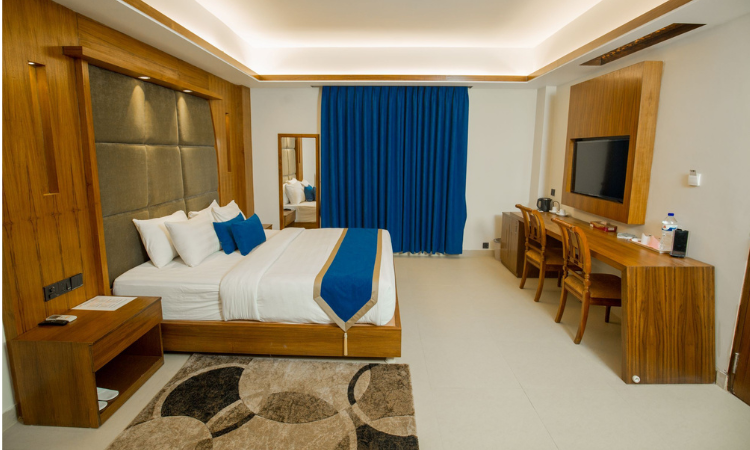
Overview: Tokyu Stay Shibuya is designed with convenience in mind, particularly for travelers staying several nights. Its Shibuya location provides access to one of Tokyo’s most popular shopping, dining, and entertainment areas while keeping guests close to public transportation.
Why it stands out: Many rooms are designed for longer stays and include useful in-room facilities such as a washer-dryer. That can be a major advantage for travelers packing light or spending a week or more in Tokyo.
Best amenities: Depending on the room category, facilities include washer-dryers, kitchenettes, Wi-Fi, refrigerators, and practical room layouts.
Who it’s ideal for: Long-stay travelers, families, business travelers, and visitors who prefer apartment-style convenience.
Nearby attractions: Shibuya Crossing, Shibuya Sky, Meiji Jingu, Harajuku, Omotesando, and Ebisu are easily accessible.
Pros: Excellent location, laundry facilities, useful for longer stays, convenient transportation.
Cons: Some rooms may be less spacious than a full apartment, and the surrounding area can be busy.
Overall recommendation: One of the more practical choices for travelers who plan to stay in Tokyo for several nights and value laundry and in-room convenience.
10. The Gate Hotel Kaminarimon by HULIC
Overview: The Gate Hotel Kaminarimon by HULIC is located in Asakusa, one of Tokyo’s most historic neighborhoods. It offers a useful alternative to staying around Shinjuku or Shibuya, with easy access to traditional attractions and a more old-fashioned side of the city.
Why it stands out: Its location near Kaminarimon Gate and Senso-ji makes it particularly appealing to travelers interested in Tokyo’s historic atmosphere. Some rooms and public areas also provide views toward the Tokyo Skytree.
Best amenities: Facilities include a restaurant, lounge, Wi-Fi, comfortable rooms, and rooftop or elevated areas offering city views.
Who it’s ideal for: Couples, first-time visitors, photographers, families, and travelers interested in traditional Tokyo.
Nearby attractions: Senso-ji Temple, Kaminarimon Gate, Nakamise Shopping Street, Sumida River, and Tokyo Skytree are nearby.
Pros: Excellent sightseeing location, traditional neighborhood atmosphere, good transportation, attractive city views.
Cons: Asakusa is farther from western Tokyo districts such as Shibuya and Shinjuku, so cross-city journeys can take longer.
Overall recommendation: A strong choice for travelers who want convenient access to Tokyo’s historic attractions and prefer a quieter alternative to the major nightlife districts.
How to Choose the Right Hotel in Japan
Choosing among the best hotels in Japan depends less on star ratings and more on the type of trip you are planning. Tokyo and Osaka work well for city breaks, Kyoto suits cultural trips, Hakone is ideal for hot springs, and Japan’s mountain regions offer excellent options for winter sports. Consider location, room size, transport access, and seasonal pricing before booking.
Luxury vs. Boutique
Luxury hotels are the better choice if you value spacious rooms, extensive facilities, fine dining, spas, and attentive service. They are particularly appealing for honeymoons, anniversaries, and special occasions. Boutique hotels offer a different experience, often with fewer rooms, distinctive design, and a stronger connection to the local neighborhood. For travelers who care more about character than extensive facilities, a well-rated boutique property can be a smarter choice.
Families
Families should prioritize practical room layouts and easy transportation. Connecting rooms, family rooms, laundry facilities, breakfast options, and nearby convenience stores can make a significant difference. In Tokyo, staying near a major railway or subway station can save considerable time when traveling with children. Kyoto is excellent for cultural experiences, but choose accommodation with straightforward transport links if you plan to visit several attractions each day.
Couples
Couples can choose between sophisticated city hotels and quieter traditional stays. Kyoto, Hakone, and Arashiyama are particularly appealing for romantic trips because of their temples, gardens, traditional architecture, and hot-spring experiences. In Tokyo, a hotel with a skyline view can work well for couples who want restaurants, nightlife, and sightseeing within easy reach.
Ski Holidays
For skiing and snowboarding, location matters more than luxury. Look for accommodation close to the slopes or with reliable shuttle access. Niseko, Hakuba, and Nozawa Onsen are popular choices for winter trips. Ski-in/ski-out properties can justify a higher rate because they reduce daily transport hassles. Check whether equipment storage, drying rooms, breakfast, and transfers are included before booking.
Summer Travel
Japan’s summer can be hot and humid in many cities, so air conditioning should be considered essential. If you are visiting during July or August, destinations such as Hokkaido can provide a cooler alternative to Tokyo, Kyoto, and Osaka. For beach-focused holidays, Okinawa offers resort-style accommodation and easy access to swimming and water activities.
Budget Considerations
A higher nightly rate does not automatically mean a better stay. Compare the total value, including breakfast, transportation, room size, laundry facilities, and location. Business hotels and well-reviewed three- or four-star properties can be excellent choices for travelers who spend most of the day sightseeing. Booking early can also help secure better rates during busy travel periods.
Best Locations
Your hotel location should match your itinerary. In Tokyo, Shinjuku and Shibuya are convenient for nightlife, shopping, and transport, while Asakusa offers a more traditional atmosphere. Kyoto is best approached by considering access to major sightseeing areas and railway or subway connections. Osaka’s Namba and Umeda areas are practical for food, shopping, nightlife, and onward travel. For relaxation, Hakone and other resort destinations make more sense than staying in a major city.
Travel Tips Before Booking
Booking the right hotel in Japan requires more than comparing prices. Travel seasons, transportation, cancellation rules, and your daily itinerary can all affect the value of a room.
Best Booking Season
Book popular hotels several months ahead when traveling during cherry blossom season, Golden Week, autumn foliage season, or major holiday periods. The most sought-after ryokans and resorts can fill particularly quickly. For ordinary city stays, you may have more flexibility, but early booking still gives you a better selection of room types and locations.
Peak vs. Shoulder Season
Peak periods generally bring higher hotel prices and greater demand. Cherry blossom season in spring and autumn foliage season are especially popular in Kyoto and other major destinations. Shoulder seasons can provide a better balance between weather, availability, and price. If your dates are flexible, moving a trip by even a few weeks can sometimes make accommodation considerably easier to find.
Japan Travel Pass
Do not automatically buy a nationwide rail pass simply because you are traveling around Japan. Compare the cost of individual tickets with the current Japan Rail Pass options and regional passes based on your actual route. A hotel near a major station can also reduce transportation costs and travel time, particularly when your itinerary includes several cities.
Hotel Cancellation Policies
Always read the cancellation policy before paying. Some Japanese hotels offer flexible cancellation while others impose deadlines or charge cancellation fees. Non-refundable rates can be cheaper, but they provide less flexibility if your itinerary changes. This is especially important for multi-city trips where a delayed flight or schedule change can affect several reservations.
Transportation
BOOK A CAR IN JAPAN HERE
Check the hotel’s distance from the nearest train or subway station rather than relying only on its city-center label. A hotel that looks central on a map may still require multiple transfers to reach major attractions. For airport arrivals, confirm the easiest route with luggage. In destinations such as Hakone, Kyoto, and ski resorts, also check whether the property provides shuttle services or has convenient access to local transport.
FAQs On The Best Places To Visit In Japan
What is the best hotel in Japan?
The best hotel in Japan depends on your travel style and destination. For luxury in Tokyo, Park Hyatt Tokyo is a strong choice. The Ritz-Carlton, Kyoto suits couples seeking upscale comfort and cultural experiences, while Hoshinoya Kyoto offers a more traditional setting. For a relaxing hot-spring stay, consider a quality ryokan in Hakone.
Where should tourists stay in Japan?
Tokyo, Kyoto, and Osaka are the most practical bases for many first-time visitors. Tokyo is ideal for shopping, nightlife, and modern attractions; Kyoto is better for temples, gardens, and traditional culture; and Osaka is excellent for food and entertainment. Hakone is worth adding if you want hot springs and a quieter break.
Are Japanese hotels expensive?
Japanese hotels range from inexpensive business hotels and hostels to high-end luxury properties costing considerably more per night. Prices rise during cherry blossom season, Golden Week, autumn foliage, and other busy periods. Travelers can reduce costs by booking early, choosing hotels near transport rather than premium tourist districts, and considering mid-range properties.
Which hotel has the best mountain views in Japan?
For mountain views, the best choice depends on the region and weather conditions. Hotels and ryokans around Hakone are popular for views toward Mount Fuji, while properties in Hokkaido and the Japanese Alps offer impressive mountain scenery. Remember that visibility can change with weather, so a Fuji-view room never guarantees a clear view.
What is the best area to stay in Japan?
There is no single best area because Japan is a country rather than one destination. For Tokyo, Shinjuku, Shibuya, and Asakusa are popular choices. In Kyoto, central areas provide convenient sightseeing access. Osaka’s Namba and Umeda districts are practical for food, shopping, and transportation. Choose an area based on your itinerary rather than simply its reputation.
Is Japan good for luxury hotels?
Yes. Japan has an excellent range of luxury hotels combining modern facilities with Japanese hospitality, design, cuisine, gardens, and traditional experiences. Tokyo and Kyoto have particularly strong luxury options, while destinations such as Hakone offer upscale ryokans with private baths, seasonal cuisine, and scenic surroundings.
What is the best time to visit Japan?
Spring and autumn are among the most popular times to visit Japan because of comfortable weather and seasonal scenery. Cherry blossom season attracts particularly high demand, while autumn offers colorful foliage. Summer is suitable for beach and northern destinations, while winter is excellent for skiing and hot springs. Hotel prices vary significantly by season.
Which Japanese hotels are family-friendly?
Family-friendly hotels should offer practical room layouts, convenient transportation, breakfast options, and facilities such as laundry services. Larger city hotels in Tokyo and Osaka can be convenient for families because they provide easy access to restaurants and attractions. For longer stays, rooms with kitchen facilities or washer-dryers can make traveling with children easier.
Which hotels are best for honeymooners in Japan?
Honeymooners often prefer luxury hotels in Kyoto, Tokyo, or Hakone. The Ritz-Carlton, Kyoto and Hoshinoya Kyoto are strong choices for couples wanting culture and refined accommodation, while Hakone is ideal for private relaxation and hot springs. A multi-city honeymoon can combine Tokyo’s energy, Kyoto’s atmosphere, and Hakone’s quieter setting.
How many days should I spend in Japan?
For a first trip, 10 to 14 days is a comfortable amount of time for exploring several major destinations without rushing constantly. A shorter seven-day itinerary can focus on Tokyo, Kyoto, and Osaka. With two weeks, you can add Hakone, Hiroshima, Nara, or another regional destination depending on your interests.
Do I need to book hotels in Japan in advance?
Booking in advance is strongly recommended during cherry blossom season, Golden Week, autumn foliage season, Christmas and New Year, and popular ski periods. High-demand ryokans can also sell out quickly. For less busy travel periods, you usually have more flexibility, but early booking gives you a better choice of locations, room types, and prices.
Is staying in a ryokan better than staying in a hotel?
A ryokan is better if you want a traditional Japanese experience involving tatami rooms, Japanese meals, futons, and often hot-spring bathing. A conventional hotel is usually more practical for longer city stays, business travel, or travelers who prefer familiar room layouts. Many visitors benefit from experiencing both during the same Japan trip.
What is the best city in Japan for first-time visitors?
Tokyo is usually the easiest starting point for first-time visitors because it offers an enormous variety of attractions, restaurants, neighborhoods, shopping, and transportation connections. Kyoto is an excellent second destination for traditional culture, while Osaka adds a lively food and entertainment scene. Combining two or three cities provides a broader introduction to Japan.
Are hotels in Japan suitable for long stays?
Yes, but the best accommodation type changes for longer trips. Look for properties offering larger rooms, kitchenettes, refrigerators, washer-dryers, luggage storage, and convenient public transportation. Apartment-style hotels and extended-stay properties can provide better practicality than conventional rooms, especially for families or travelers spending several weeks in Japan.
Conclusion
The best hotels in Japan cover a remarkably wide range of travel styles, from sophisticated city properties to traditional ryokans and relaxing hot-spring resorts. For a luxury Tokyo experience, Park Hyatt Tokyo is a standout choice, while The Ritz-Carlton, Kyoto works particularly well for couples and travelers who want high-end comfort close to Kyoto’s cultural attractions. Hoshinoya Kyoto offers a quieter, more traditional experience, and Hakone is ideal for travelers prioritizing onsen relaxation.
Families should focus on room configuration, transport access, and practical amenities, while budget-conscious travelers can find excellent value in well-located mid-range and business hotels. Your destination should also influence your choice: Tokyo suits urban exploration, Kyoto favors culture, Osaka is excellent for food and entertainment, and Hakone provides a slower pace.
If your trip falls during cherry blossom season, Golden Week, autumn foliage, or a major ski period, book your accommodation early. The most desirable rooms and traditional stays can disappear quickly. With the right location and hotel style, accommodation becomes more than a place to sleep—it can make the entire Japan itinerary easier, more comfortable, and more memorable.