
Introduction

The UK is one of Europe’s most versatile hotel destinations, offering everything from grand historic properties and luxury city hotels to charming countryside retreats, coastal stays, and affordable accommodation. Across England, Scotland, Wales, and Northern Ireland, travelers can find hotels that suit almost every type of trip, whether it is a weekend city break, romantic getaway, family holiday, business trip, or outdoor adventure.
Location is one of the most important factors when choosing where to stay. A centrally located hotel in London or Edinburgh can make sightseeing much easier, while a countryside or coastal property may be a better choice for travelers seeking scenery, relaxation, and outdoor activities. Price also varies considerably depending on the city, season, hotel category, and how far in advance you book.
This guide to the best hotels in the UK features 10 carefully selected properties across popular destinations. You’ll discover where each hotel is located, what type of traveler it suits, its approximate price range, star rating, standout features, and practical reasons to consider staying there. The aim is to help you compare your options and choose a hotel that fits your travel style and budget.

Quick Comparison Table
| Hotel | Location | Best For | Price Range | Star Rating |
| The Savoy | London, England | Luxury, couples, first-time visitors | ££££ | 5-star |
| The Ritz London | London, England | Classic luxury, couples | ££££ | 5-star |
| The Langham, London | London, England | Families, couples, city breaks | ££££ | 5-star |
| The Balmoral | Edinburgh, Scotland | Luxury, history, city breaks | ££££ | 5-star |
| Gleneagles | Perthshire, Scotland | Golf, families, countryside | ££££ | 5-star |
| The Gainsborough Bath Spa | Bath, England | Couples, wellness, history | ££££ | 5-star |
| The Grand, York | York, England | History, couples, city breaks | £££ | 5-star |
| The Lowry Hotel | Manchester, England | City breaks, business travelers | £££ | 5-star |
| The Scarlet Hotel | Cornwall, England | Couples, coastal escapes | ££££ | 5-star |
| The Celtic Manor Resort | Newport, Wales | Families, golf, resort holidays | £££ | 5-star |
BOOK A FLIGHT TO UK HERE
BOOK A CAR FOR YOUR DISPLACEMENT IN UK HERE
NB: PLEASE NOTE THAT THE HOTEL’S IMAGES BELOW MAY NOT BE THE TRUE IMAGES, THE MAJORITY ARE FOR ILLUSTRATION PURPOSES.
The 10 Best Hotels in the UK
1. The Savoy, London

Overview: The Savoy is a historic luxury hotel on the Strand, close to Covent Garden and the River Thames. Its central location makes it convenient for sightseeing, theatre visits, and dining.
Why it stands out: The main advantage is location combined with a long-established reputation for high-end service. It works particularly well when you want to explore central London without spending much time commuting.
Best amenities: Guests have access to restaurants and bars, a swimming pool, fitness facilities, and a spa. The hotel also has several dining options on-site.
Who it’s ideal for: Couples, luxury travelers, first-time London visitors, and travelers celebrating a special occasion.
Nearby attractions: Covent Garden, Somerset House, Trafalgar Square, the Royal Opera House, and the National Gallery are all within easy reach.
Pros: Excellent central location, extensive facilities, historic character, strong dining options.
Cons: Rates can be very high, and the central location means the surrounding area can be busy.
Overall recommendation: The Savoy is a strong choice if you want a luxury London stay with easy access to major attractions and entertainment.
READ ALSO THE Best Places to Visit in the United Kingdom: (top 10)
READ ASLO The Best Hotels in USA (TOP 10)
2. The Ritz London
Overview: The Ritz London is one of the capital’s best-known luxury hotels, located on Piccadilly beside Green Park and close to Buckingham Palace. Its traditional interiors give it a distinctly classic British character.
Why it stands out: The hotel’s biggest appeal is its formal atmosphere, central location, and traditional approach to hospitality. It is particularly suited to travelers who value classic luxury rather than contemporary design.
Best amenities: The property features its famous restaurant, afternoon tea service, bars, elegant public spaces, and luxury rooms and suites. Its location also makes exploring central London straightforward.
Who it’s ideal for: Couples, luxury travelers, honeymooners, and visitors celebrating birthdays, anniversaries, or other special occasions.
Nearby attractions: Buckingham Palace, Green Park, Piccadilly Circus, St James’s Park, Trafalgar Square, and the West End are nearby.
Pros: Outstanding location, classic interiors, refined dining, memorable afternoon tea.
Cons: Very expensive, formal atmosphere may not suit everyone, and some travelers may prefer a modern hotel design.
Overall recommendation: Choose The Ritz London if traditional British luxury and a prestigious central location are more important than getting the best value for money.
READ ALSO THE BEST PLACES TO VISIT IN PARIS (top 10).
READ ALSO THE BEST HOTELS IN PARIS (top 10)
3. The Langham, London

Overview: The Langham, London is a luxury hotel on Regent Street, making it a practical base for shopping, museums, restaurants, and central London sightseeing. It combines historic character with modern facilities.
Why it stands out: Its location near Oxford Circus is particularly useful for travelers who want quick access to London’s West End and major shopping areas. The hotel also offers a broader range of facilities than many smaller luxury properties.
Best amenities: Facilities include a swimming pool, fitness center, spa, restaurants, bars, and family-friendly accommodation options. The hotel is also known for its afternoon tea.
Who it’s ideal for: Families, couples, business travelers, shoppers, and visitors wanting a luxury hotel with extensive facilities.
Nearby attractions: Oxford Street, Regent Street, Soho, Carnaby, the British Museum, and Regent’s Park are all relatively close.
Pros: Excellent transport connections, central location, extensive amenities, suitable for different traveler types.
Cons: Premium room rates, busy surrounding streets, and the area can feel less quiet than residential London neighborhoods.
Overall recommendation: The Langham is a practical luxury choice for travelers who want central access, strong facilities, and a hotel suitable for both leisure and business trips.
REAAD ALSO THE BEST HOTELS IN SWITZERLAND (TOP 10)
4. The Balmoral, Edinburgh

Overview: The Balmoral is a landmark luxury hotel beside Edinburgh Waverley station, making it especially convenient for travelers arriving by train. Its location on Princes Street also puts the Old Town, New Town, and major attractions within walking distance.
Why it stands out: Location is its biggest practical advantage. You can reach Edinburgh Castle, the Royal Mile, and Princes Street without relying heavily on taxis or public transport.
Best amenities: The hotel offers a spa, indoor swimming pool, fitness center, restaurants, bars, and afternoon tea. Some rooms also provide views toward Edinburgh Castle or the Old Town.
Who it’s ideal for: Couples, first-time visitors, luxury travelers, and anyone prioritizing central access.
Nearby attractions: Edinburgh Castle, Royal Mile, Princes Street Gardens, Calton Hill, and Holyrood Palace.
Pros: Exceptional location, excellent transport access, extensive facilities, historic character.
Cons: Expensive room rates, busy surrounding area, and some rooms may be less appealing than others depending on views.
Overall recommendation: The Balmoral is one of the most practical luxury choices for exploring Edinburgh on foot while still having full-service hotel facilities.
5. Gleneagles, Perthshire
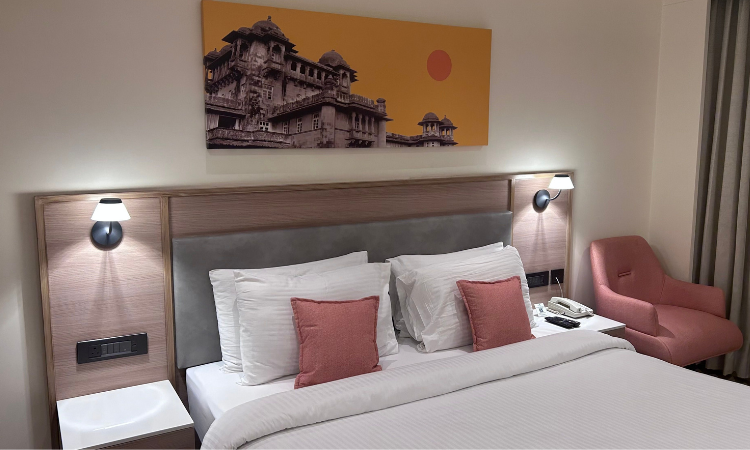
Overview: Gleneagles is a large luxury country resort in Perthshire, Scotland, known for its golf courses, outdoor activities, dining, and extensive leisure facilities. It is better suited to a resort-focused holiday than a conventional city break.
Why it stands out: The range of activities is its biggest advantage. Guests can arrange golf, shooting, riding, fishing, falconry, and various outdoor experiences without constantly traveling elsewhere.
Best amenities: Facilities include three golf courses, a spa, restaurants, bars, fitness facilities, tennis, and numerous outdoor activities. Families can also find dedicated activities and services.
Who it’s ideal for: Families, golfers, couples, outdoor enthusiasts, and travelers seeking a countryside resort.
Nearby attractions: Auchterarder, Perth, the Ochil Hills, and several Scottish castles and countryside attractions are within driving distance.
Pros: Huge choice of activities, excellent dining, family-friendly facilities, attractive countryside setting.
Cons: Expensive, car or organized transport is useful, and its remote location is less convenient for city sightseeing.
Overall recommendation: Gleneagles is worth considering when the hotel itself is a major part of your holiday rather than simply a place to sleep between sightseeing days.
6. The Gainsborough Bath Spa, Bath
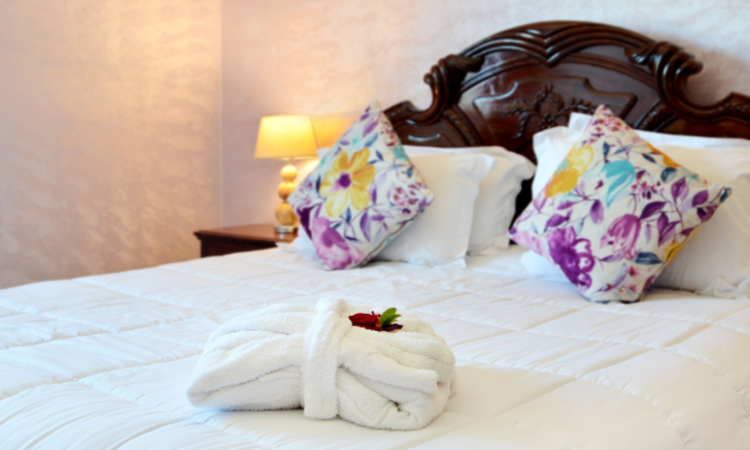
Overview: The Gainsborough Bath Spa is a luxury hotel in central Bath, making it convenient for exploring the city’s Roman heritage and Georgian architecture. Its defining feature is direct access to thermal spa facilities.
Why it stands out: The combination of a central location and thermal bathing makes it particularly suitable for travelers who want sightseeing combined with relaxation.
Best amenities: Guests have access to the spa village, thermal pools, treatment rooms, fitness facilities, and on-site dining. The hotel also provides a useful base for exploring Bath on foot.
Who it’s ideal for: Couples, wellness-focused travelers, history enthusiasts, and visitors planning a relaxing weekend.
Nearby attractions: The Roman Baths, Bath Abbey, Pulteney Bridge, Thermae Bath Spa, and the Royal Crescent are all within easy reach.
Pros: Central location, thermal spa facilities, walkable access to attractions, good choice for short breaks.
Cons: Premium rates, spa access and treatments can increase the overall cost, and Bath can become busy during peak periods.
Overall recommendation: The Gainsborough is a strong choice for travelers who want to combine Bath’s historic attractions with a dedicated spa experience.
7. The Grand, York
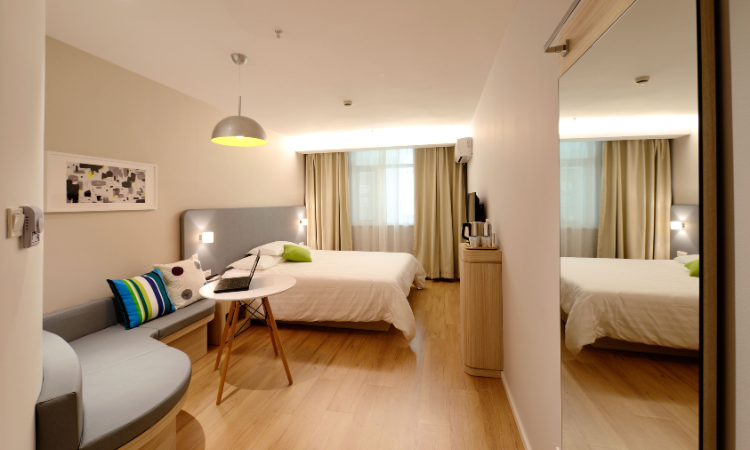
Overview: The Grand, York is a luxury hotel housed in a former railway headquarters near York city center. Its location makes it convenient for exploring the city’s historic attractions, shops, restaurants, and medieval streets on foot.
Why it stands out: The combination of historic architecture and a central location makes this hotel particularly useful for a short city break. You can spend less time commuting and more time exploring York.
Best amenities: Facilities include a spa, indoor swimming pool, fitness center, restaurant, bar, and afternoon tea. The hotel also offers spacious rooms compared with many central city properties.
Who it’s ideal for: Couples, history enthusiasts, weekend travelers, and visitors wanting a comfortable base for exploring York.
Nearby attractions: York Minster, the Shambles, York City Walls, National Railway Museum, and Clifford’s Tower.
Pros: Excellent location, historic building, good leisure facilities, walkable access to attractions.
Cons: Premium pricing, busy periods can increase rates, and parking may require additional planning.
Overall recommendation: The Grand is a strong option if you want a comfortable upscale stay within easy walking distance of York’s main attractions.
8. The Lowry Hotel, Manchester
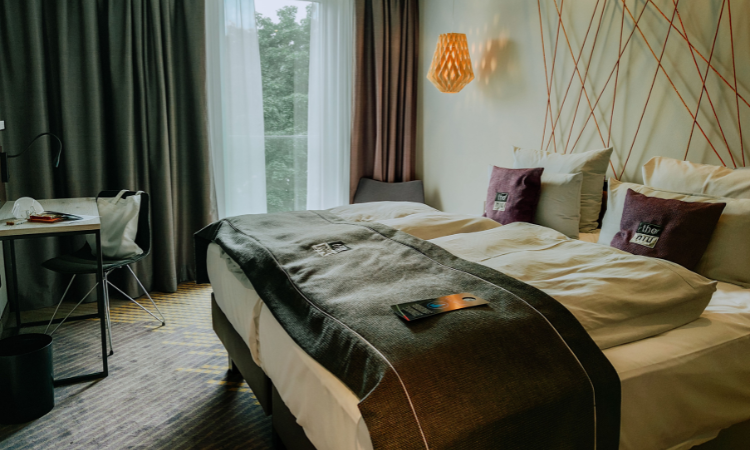
Overview: The Lowry Hotel is a five-star property in central Manchester, positioned close to the River Irwell and within walking distance of major shopping, cultural, and entertainment areas.
Why it stands out: Its central location makes it convenient for travelers attending events, exploring Manchester’s museums, or enjoying the city’s restaurants and nightlife.
Best amenities: The hotel offers a restaurant, bar, fitness facilities, meeting spaces, and spacious rooms. Its location also provides easy access to public transportation and central attractions.
Who it’s ideal for: Couples, business travelers, football fans, and visitors planning a Manchester city break.
Nearby attractions: Manchester Cathedral, John Rylands Library, Manchester Arndale, National Football Museum, and the Northern Quarter.
Pros: Central location, spacious accommodation, suitable for business and leisure, good access to attractions.
Cons: Rates can rise during major events, the surrounding city center can be busy, and some attractions require public transport.
Overall recommendation: The Lowry is a practical upscale choice for travelers who want central Manchester access without staying directly in the busiest nightlife areas.
9. The Scarlet Hotel, Cornwall
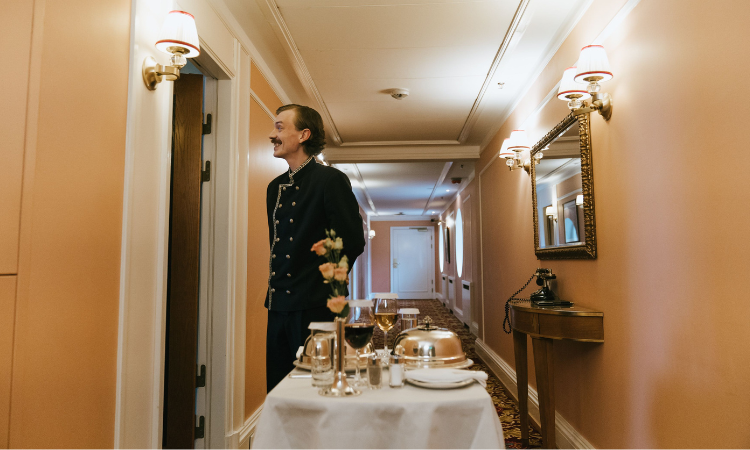
Overview: The Scarlet is an adults-only eco-focused hotel overlooking the north Cornwall coast near Mawgan Porth. Its location is better suited to a relaxing coastal getaway than a sightseeing-heavy itinerary.
Why it stands out: The hotel places strong emphasis on wellness, sustainability, and its coastal setting. The adults-only policy also makes it particularly quiet compared with family-oriented seaside resorts.
Best amenities: Facilities include a spa, indoor pool, outdoor hot tubs, relaxation areas, restaurant, and coastal views. Many activities focus on relaxation rather than organized entertainment.
Who it’s ideal for: Couples, honeymooners, wellness travelers, and adults seeking a peaceful coastal escape.
Nearby attractions: Mawgan Porth Beach, Newquay, Bedruthan Steps, Padstow, and sections of the South West Coast Path.
Pros: Adults-only atmosphere, coastal location, strong wellness facilities, peaceful setting.
Cons: Expensive, limited suitability for families, and a car is useful for exploring wider Cornwall.
Overall recommendation: The Scarlet is a good choice when relaxation and coastal scenery are priorities, particularly for couples planning a special Cornwall break.
BOOK A CAR FOR YOUR UK TRIPS HERE
10. Celtic Manor Resort, Newport

Overview: Celtic Manor Resort is a large five-star resort near Newport in South Wales, offering accommodation, golf, spa facilities, restaurants, and numerous leisure activities across an extensive property.
Why it stands out: Its biggest advantage is the number of activities available on-site. Guests can build a holiday around golf, wellness, dining, or family recreation without needing to travel every day.
Best amenities: The resort features golf courses, a spa, swimming pool, restaurants, bars, fitness facilities, adventure activities, and extensive event spaces.
Who it’s ideal for: Families, golfers, couples, business groups, and travelers looking for a full-service resort.
Nearby attractions: Newport city center, Caerleon Roman Fortress, Wye Valley, Cardiff, and Brecon Beacons National Park are within reasonable driving distance.
Pros: Extensive facilities, golf, family activities, spa, convenient location for exploring South Wales.
Cons: Large resort layout, additional activity costs can add up, and a car is useful for nearby attractions.
Overall recommendation: Celtic Manor works best for travelers who want the hotel and its facilities to be a major part of the holiday rather than simply a base for sightseeing.
How to Choose the Right Hotel in the UK
Choosing among the best hotels in the UK is easier when you start with the type of trip you are planning rather than the hotel’s star rating alone. A countryside weekend, family city break, romantic escape, and summer coastal holiday can require very different accommodation.
Luxury vs. Boutique Hotels
Luxury hotels are best if you value extensive facilities, larger rooms, attentive service, spas, fine dining, and convenient on-site amenities. They are particularly suitable for special occasions or travelers who want the hotel itself to be part of the experience.
Boutique hotels usually offer a smaller, more distinctive setting, often with individual room designs and a stronger sense of local character. They can be an excellent choice for couples, weekend breaks, and travelers who prefer personality over extensive facilities.
Hotels for Families
Families should prioritize room configuration, location, breakfast options, parking, and family-friendly facilities rather than simply choosing the highest-rated property. Check whether the hotel offers connecting rooms, family rooms, cots, extra beds, and suitable dining options. Staying close to attractions or public transport can also reduce the amount of time spent getting children around.
Hotels for Couples
For a romantic trip, look for properties with quiet rooms, attractive surroundings, restaurants, spas, or distinctive views. A boutique hotel in a historic city center can work well for a short break, while a country-house hotel or coastal property may be better for a longer romantic escape.
Hotels for Ski Holidays
The UK is not a major alpine ski destination, but ski and winter-sports trips are possible, particularly in Scotland. For destinations such as the Cairngorms, prioritize accommodation with easy access to ski areas, parking, drying facilities for outdoor clothing, and flexible dining options. Winter weather can affect driving conditions, so location matters.
Hotels for Summer Travel
Summer is an excellent time for exploring Britain’s cities, countryside, and coastline. For coastal holidays, choose accommodation close to beaches and attractions. In major cities, a centrally located hotel can save money and time on transportation. If traveling during school holidays, book popular properties well ahead.
Consider Your Budget
Don’t judge value by the room rate alone. A cheaper hotel may become more expensive once you add breakfast, parking, transportation, resort fees where applicable, or taxi costs. Compare the total expected cost and consider how much time you will spend at the hotel. Paying slightly more for a central location can sometimes provide better overall value.
Choose the Right Location
Location is one of the most important hotel decisions in the UK. London, Edinburgh, Manchester, Liverpool, and Bath are well suited to travelers who want attractions, restaurants, and public transportation nearby. For countryside or coastal trips, being outside the main town may provide more space and tranquility but can make transportation more difficult.
Travel Tips Before Booking
A good hotel can make a UK trip considerably easier, but booking at the right time and understanding the conditions can save both money and frustration.
Book According to the Season
The best booking period depends on your destination and travel dates. Summer, Christmas, New Year, major sporting events, festivals, and school holidays can create strong demand. Popular hotels may therefore require advance booking, particularly in London, Edinburgh and major tourist destinations.
For better availability and potentially lower rates, consider traveling during quieter periods and compare several dates before paying.
Peak vs. Shoulder Season
Peak season generally offers the liveliest atmosphere and more predictable conditions for sightseeing, but prices and demand can be higher. Shoulder seasons, particularly spring and autumn, can offer a useful balance between reasonable weather, fewer crowds, and better accommodation availability.
If your schedule is flexible, changing your trip by even a few days can sometimes make a noticeable difference.
Do You Need a UK Travel Pass?
There is no single UK-wide tourist travel pass that works like a universal rail-and-public-transport pass across every service. Instead, travelers should compare options such as railcards, regional transport passes, city passes, and individual train or bus tickets based on their itinerary.
If you plan to visit several cities by train, calculate the expected fares before purchasing a pass. A pass is worthwhile only when its benefits exceed the total cost.
Check the Cancellation Policy
Always read the cancellation conditions before confirming a room. A refundable rate usually provides greater flexibility but may cost more, while a non-refundable rate can be cheaper but leave you responsible for the payment if plans change.
Also check the cancellation deadline, deposit requirements, no-show policy, and whether modifications are permitted.
Plan Transportation Before Booking
A hotel that looks inexpensive can become inconvenient if it is far from railway stations, attractions, or public transportation. Check the distance to the places you actually plan to visit and consider whether you will need taxis or a rental car.
For city breaks, proximity to a train station or Underground, tram, or bus connection can be more valuable than a slightly cheaper room in a distant neighborhood.
FAQs on the Best Hotels in UK
1. What is the best hotel in the UK?
The best hotel in the UK depends on your travel style, destination, and budget. For luxury, historic properties such as The Grand in York stand out, while The Lowry Hotel in Manchester suits city breaks. For coastal escapes, The Scarlet in Cornwall is an excellent choice, and Celtic Manor Resort works particularly well for families and resort holidays.
2. Where should tourists stay in the UK?
Tourists should stay in a location that matches their itinerary. London is ideal for first-time visitors and major attractions, Edinburgh works well for history and culture, while York offers a compact historic experience. Manchester and Liverpool are excellent for city breaks, and Cornwall, the Lake District, and the Scottish Highlands are better suited to countryside and coastal holidays.
3. Are UK hotels expensive?
UK hotel prices vary considerably depending on location, season, hotel category, and demand. London and popular tourist destinations are generally more expensive, particularly during summer and major events. Travelers can reduce costs by visiting during shoulder season, booking early, choosing accommodation outside the busiest areas, and comparing the total price rather than just the nightly room rate.
4. Which hotel has the best mountain views in the UK?
Hotels in Scotland and northern England are among the best choices for mountain scenery. Properties around the Scottish Highlands, Cairngorms, and Lake District can provide impressive views of mountains and surrounding landscapes. When booking, check the specific room category because a hotel may offer mountain views from only certain rooms or public areas.
5. What is the best area to stay in the UK?
There is no single best area to stay in the UK because the country offers very different travel experiences. Central London is convenient for sightseeing, Edinburgh Old Town is excellent for history, and central Manchester suits nightlife and city breaks. For scenery, consider the Lake District, Scottish Highlands, Cotswolds, or Cornwall.
6. Is the UK good for luxury hotels?
Yes, the UK has an extensive selection of luxury hotels, including historic country houses, grand city properties, coastal retreats, and modern spa resorts. London and Edinburgh have particularly strong luxury accommodation choices, while destinations such as Cornwall, the Cotswolds, and the Scottish Highlands offer luxury hotels in quieter surroundings.
7. What is the best time to visit the UK?
The best time to visit the UK is generally from April to June or September to October. These shoulder-season months can provide a good balance of milder weather, sightseeing conditions, and manageable crowds. July and August are popular for summer travel but can be busier and more expensive, especially in major tourist destinations.
8. Which UK hotels are family-friendly?
Family-friendly UK hotels typically offer family rooms, connecting rooms, children’s activities, convenient dining, parking, and easy access to attractions. Resort properties such as Celtic Manor can work particularly well for families because they provide multiple facilities in one location. In cities, prioritize hotels close to public transport and major attractions to simplify daily travel.
9. Which hotels are best for honeymooners?
The best UK honeymoon hotels depend on the atmosphere you want. Couples seeking luxury can choose an upscale city or country-house hotel, while those wanting privacy may prefer a coastal retreat in Cornwall or a scenic property in the Scottish Highlands. Look for rooms with attractive views, spa facilities, romantic dining, and flexible late check-out options.
10. How many days should I spend in the UK?
A 7–10 day UK trip is a good starting point for first-time visitors who want to experience several destinations. Seven days allows time for London plus one or two additional locations, while 10–14 days provides a more relaxed itinerary covering England, Scotland, or Wales. Avoid adding too many cities because transportation can consume valuable sightseeing time.
11. What is the cheapest time to stay in UK hotels?
The cheapest time depends on the destination, but shoulder season and quieter winter periods often provide better hotel rates than peak summer. January and February can be particularly affordable outside major events and holiday periods. Always compare several dates because weekends, festivals, sporting events, and school holidays can cause prices to rise significantly.
12. Should I book UK hotels in advance?
Yes, booking in advance is advisable for popular destinations and peak travel periods. London, Edinburgh, Cornwall, and major countryside destinations can experience strong demand during summer, holidays, festivals, and special events. Early booking usually gives travelers a wider choice of rooms and cancellation policies, although flexible travelers may find last-minute deals during quieter periods.
13. Is it better to stay in a city center or outside the UK?
A city-center hotel is usually better for short sightseeing trips because it reduces travel time and provides easy access to restaurants, attractions, and public transportation. Staying outside the center can be cheaper and quieter, particularly for longer stays or travelers with a car. Compare accommodation savings with transportation costs before deciding.
14. What should I look for when booking a hotel in the UK?
Look beyond the star rating and check location, guest reviews, room size, cancellation terms, breakfast costs, parking, transportation links, and available facilities. Also consider the purpose of your trip. A business traveler may prioritize transport connections, while families may need larger rooms and nearby attractions. The right hotel should fit your itinerary rather than simply look impressive online.
Conclusion
Choosing among the best hotels in the UK becomes much easier when you match the property to the type of trip you are planning. Luxury travelers can focus on grand city hotels, country estates, and high-end resorts, while couples may prefer boutique properties, coastal retreats, or hotels with spa facilities. Families should prioritize spacious rooms, convenient locations, and on-site activities, while travelers exploring Britain’s landscapes may benefit from countryside hotels in Cornwall, the Lake District, or Scotland.
Location should remain one of your biggest considerations. A centrally located hotel can save considerable time on a short city break, while a remote property can be worthwhile when scenery, privacy, and relaxation are the main priorities.
Finally, book early when traveling during summer, school holidays, Christmas, major festivals, or large sporting events. Compare flexible and non-refundable rates carefully, check transportation options, and calculate the full cost of your stay. With the right combination of location, facilities, price, and travel style, finding the best hotel in the UK becomes far less complicated.