
Introduction

China offers an impressive range of accommodation, from historic luxury hotels and international five-star properties to stylish boutique stays and affordable guesthouses. Its major cities combine modern hospitality with centuries of history, while destinations such as Shanghai, Beijing, Chengdu, Guilin, and Xi’an give travelers very different experiences.
The best hotels in China are not necessarily the most expensive. The right choice depends on your itinerary, location, transportation needs, and travel budget. A luxury hotel in central Beijing can make sightseeing easier, while a boutique property in an old neighborhood may provide a more local experience. In scenic areas, the hotel itself can also become part of the trip.
This guide highlights 10 outstanding hotels across different budgets and travel styles. You’ll discover where each property is located, who it suits best, what you can expect to pay, and its approximate star rating. Use the comparison table to narrow down your options before booking, then compare room types, cancellation policies, breakfast inclusions, and transport connections.

Quick Comparison Table
| Hotel | Location | Best For | Price Range | Star Rating |
| The Peninsula Beijing | Beijing | Luxury & history | $$$$ | 5-star |
| The Opposite House | Beijing | Design & couples | $$$$ | 5-star |
| The PuXuan Hotel and Spa | Beijing | Boutique luxury | $$$ | 5-star |
| The Middle House | Shanghai | Modern luxury | $$$$ | 5-star |
| Mandarin Oriental Pudong | Shanghai | Luxury & business | $$$$ | 5-star |
| Waldorf Astoria Shanghai | Shanghai | Historic luxury | $$$$ | 5-star |
| The Temple House | Chengdu | Culture & design | $$$ | 5-star |
| Sofitel Legend Peoples Grand Hotel Xi’an | Xi’an | History & sightseeing | $$$ | 5-star |
| Yangshuo Mountain Retreat | Guilin/Yangshuo | Nature & couples | $$ | Boutique |
| Holiday Inn Express Beijing Dongzhimen | Beijing | Budget-conscious travelers | $–$$ | 3–4-star |
BOOK A FLIGHT TO CHINA HERE
BOOK A CAR FOR YOUR CHINA TRIP HERE
NB: THESE HOTELS IMAGES MAY NOT BE THE EXACT IMAGES, SOME HAVE BEEN INCLUDED FOR ILLUSTRATIVE PURPOSES.
The 10 Best Hotels in China
1. The Peninsula Beijing
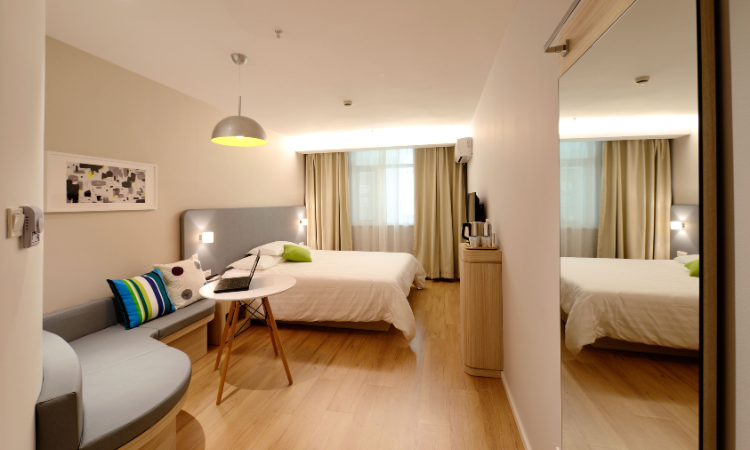
- Overview: The Peninsula Beijing is a five-star hotel in the heart of Wangfujing, combining modern rooms and suites with convenient access to Beijing’s historic attractions. Its central location makes it particularly practical for first-time visitors who want to explore the Forbidden City and Tiananmen Square without spending excessive time commuting.
Why It Stands Out: Its biggest advantage is location. Guests can combine luxury accommodation with easy access to shopping, museums, restaurants, and historic sites.
Best Amenities: Spacious suites, indoor swimming pool, fitness center, spa, restaurants, afternoon tea, and attentive concierge services.
Who It’s Ideal For: Couples, luxury travelers, families, and business visitors who prioritize comfort and central access.
Nearby Attractions: Forbidden City, Tiananmen Square, Wangfujing Street, National Museum of China, and Jingshan Park.
Pros: Excellent location, large accommodations, strong service, and extensive facilities.
Cons: Premium rates, especially during holidays and peak travel periods.
Overall Recommendation: The Peninsula Beijing is a strong choice among the best hotels in China if you want five-star comfort combined with convenient sightseeing access.
READ ALSO THE BEST PLACES TO VISIT IN CHINA (TOP 10)
READ ALSO THE BEST CHINESE FOOD HERE
2. The Opposite House
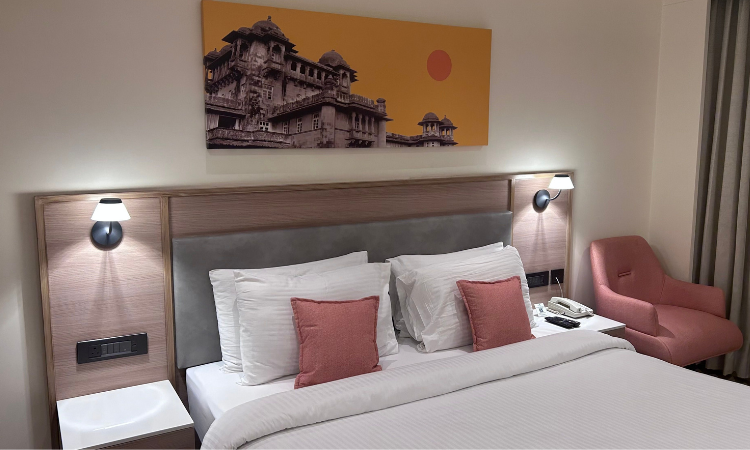
Overview: The Opposite House is a contemporary boutique-style hotel in Beijing’s Sanlitun district, an area known for restaurants, shopping, nightlife, and international businesses. Its minimalist design makes it noticeably different from traditional Chinese luxury hotels, while its location works well for travelers who want a modern side of Beijing.
Why It Stands Out: The hotel offers a quieter, design-focused environment while remaining close to Sanlitun’s busy dining and entertainment scene.
Best Amenities: Spacious rooms, indoor pool, fitness center, contemporary restaurants, bar, and modern meeting spaces.
Who It’s Ideal For: Couples, design-conscious travelers, business visitors, and travelers who enjoy restaurants and nightlife.
Nearby Attractions: Sanlitun Village, Workers’ Stadium, Chaoyang Park, and numerous restaurants and shopping areas.
Pros: Excellent neighborhood, stylish interiors, generous room sizes, and convenient dining options nearby.
Cons: Less convenient for some traditional sightseeing areas than hotels around central Beijing.
Overall Recommendation: Choose The Opposite House if you prefer modern design and neighborhood dining over staying directly beside Beijing’s major historic landmarks.
READ ALSO THE BEST CHINESE RESTAURANTS HERE
3. The PuXuan Hotel and Spa
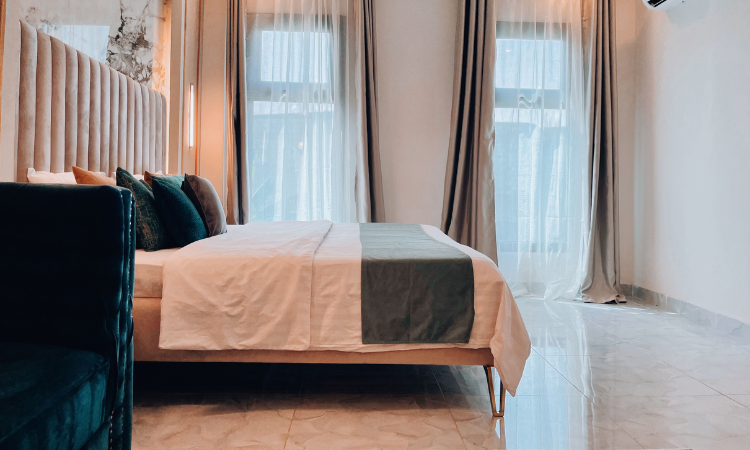
Overview: The PuXuan Hotel and Spa sits near Beijing’s historic Imperial City, offering a quieter luxury experience close to several important cultural attractions. Its contemporary interiors contrast with the surrounding historic environment, making it suitable for travelers who want upscale accommodation without staying in a large conventional hotel.
Why It Stands Out: Its location provides a useful balance between cultural sightseeing and a more relaxed hotel environment. The property is particularly appealing after long days exploring Beijing on foot.
Best Amenities: Spa facilities, fitness center, restaurant, lounge, spacious rooms, and concierge assistance.
Who It’s Ideal For: Couples, luxury travelers, cultural tourists, and visitors wanting a boutique atmosphere.
Nearby Attractions: Jingshan Park, Forbidden City, Beihai Park, National Art Museum of China, and Wangfujing.
Pros: Excellent cultural location, sophisticated design, peaceful atmosphere, and strong wellness facilities.
Cons: Luxury pricing, while some major Beijing attractions may still require taxis or public transport.
Overall Recommendation: The PuXuan Hotel and Spa is an excellent option for travelers seeking a boutique luxury hotel in Beijing with convenient access to historic sights and a more intimate atmosphere.
READ ALSO THE BEST PLACES TO VISIT IN PARIS (top 10).
READ ALSO THE BEST HOTELS IN PARIS (top 10)
4. The Middle House
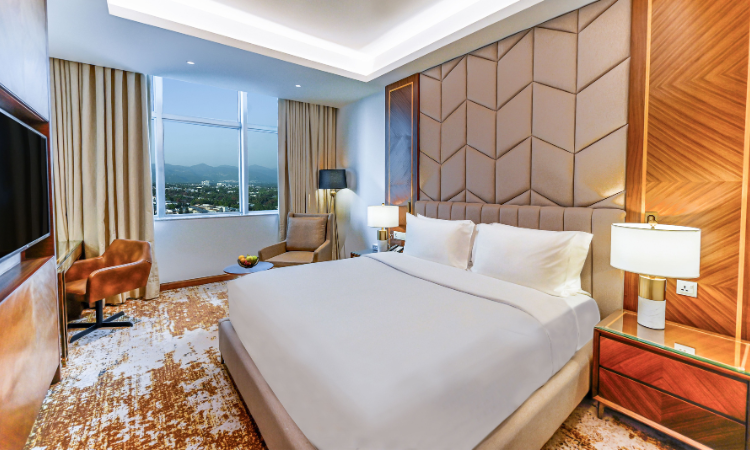
Overview: The Middle House is a contemporary luxury hotel in Shanghai’s Jing’an district, offering spacious residences and rooms with a strong emphasis on modern design. Its location is convenient for travelers interested in shopping, restaurants, galleries, and central Shanghai rather than staying directly beside the city’s historic waterfront.
Why It Stands Out: The hotel’s residential-style accommodation is particularly useful for longer stays or travelers who prefer more space than a standard hotel room.
Best Amenities: Indoor swimming pool, fitness center, spa, restaurants, bar, spacious rooms, and apartment-style residences.
Who It’s Ideal For: Couples, families, business travelers, and luxury travelers staying several nights.
Nearby Attractions: West Nanjing Road, Jing’an Temple, Shanghai Museum, People’s Square, and major shopping districts.
Pros: Excellent central location, spacious accommodation, modern facilities, and good dining choices.
Cons: Expensive compared with mid-range Shanghai hotels; some attractions require public transport or taxis.
Overall Recommendation: The Middle House is a practical luxury choice for travelers who value space, contemporary design, and a central Shanghai location.
5. Mandarin Oriental Pudong
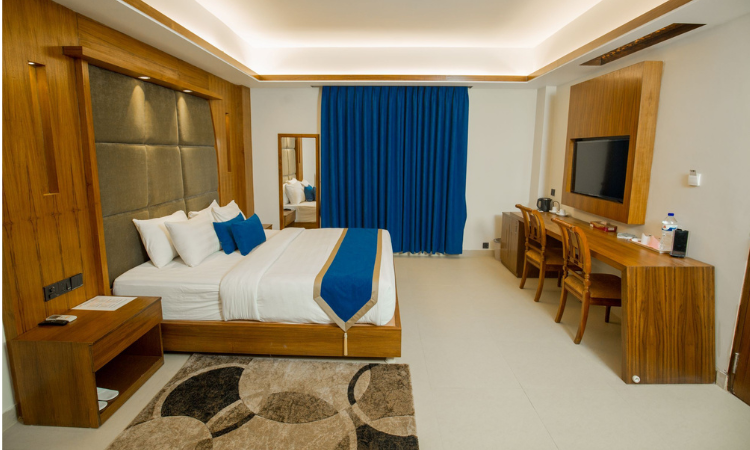
Overview: Mandarin Oriental Pudong is a five-star hotel in Shanghai’s Lujiazui financial district, making it particularly convenient for business travelers and visitors interested in the city’s modern skyline. It offers polished accommodation alongside extensive wellness and dining facilities.
Why It Stands Out: Its location is the main advantage. Guests can easily explore Pudong’s skyscrapers while remaining within reach of central Shanghai attractions.
Best Amenities: Spa, indoor swimming pool, fitness center, restaurants, lounge, business facilities, and well-equipped rooms.
Who It’s Ideal For: Business travelers, couples, luxury visitors, and families wanting high-quality facilities.
Nearby Attractions: Shanghai Tower, Oriental Pearl Tower, Shanghai World Financial Center, and Huangpu River waterfront.
Pros: Excellent service, impressive facilities, convenient business location, and skyline access.
Cons: Lujiazui can feel less atmospheric than Shanghai’s older neighborhoods, particularly for travelers seeking traditional street life.
Overall Recommendation: Mandarin Oriental Pudong is one of the best hotels in China for travelers prioritizing luxury, business convenience, and Shanghai’s modern skyline.
6. Waldorf Astoria Shanghai
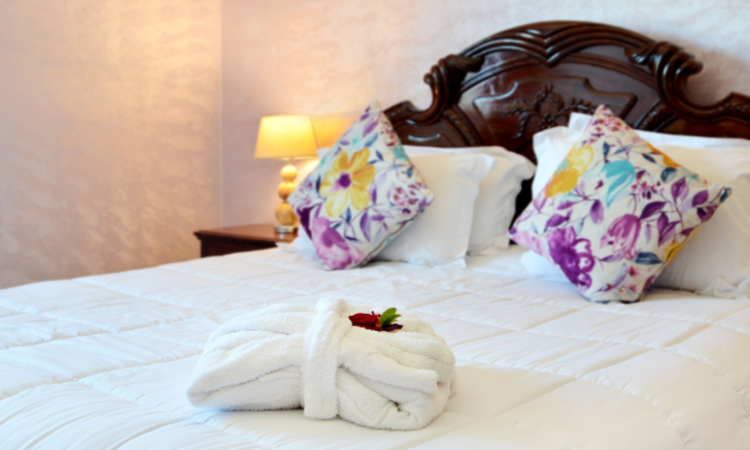
Overview: Waldorf Astoria Shanghai occupies a prestigious location on the Bund, giving guests easy access to one of the city’s most recognizable waterfront areas. The property combines historic architecture with modern hotel facilities, making it a strong option for visitors who want sightseeing convenience and an upscale stay.
Why It Stands Out: The Bund location is difficult to beat for first-time visitors. Many restaurants, shops, historic buildings, and river views are within easy walking distance.
Best Amenities: Indoor pool, spa, fitness center, restaurants, lounges, meeting facilities, and luxury rooms.
Who It’s Ideal For: Couples, first-time visitors, business travelers, and luxury travelers.
Nearby Attractions: The Bund, Nanjing Road, Yu Garden, Huangpu River, and historic waterfront buildings.
Pros: Outstanding location, historic character, extensive facilities, and easy access to central attractions.
Cons: Premium pricing; the busy Bund area can be crowded, particularly during evenings and holidays.
Overall Recommendation: Waldorf Astoria Shanghai is a strong pick for travelers who want luxury accommodation in one of Shanghai’s most convenient sightseeing locations.
7. The Temple House
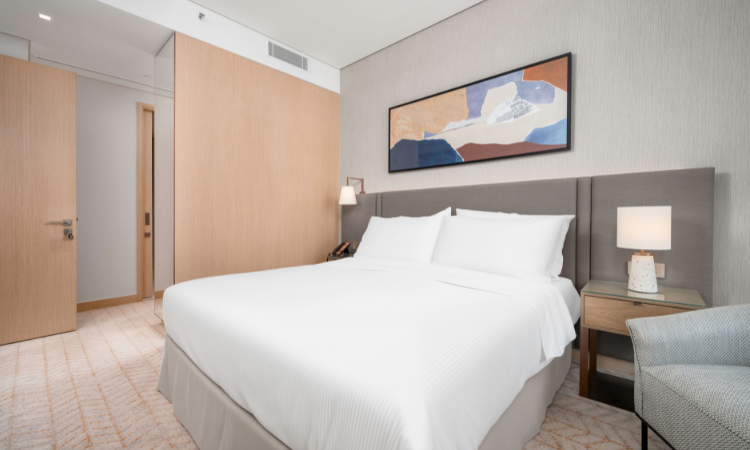
Overview: The Temple House is a luxury hotel in Chengdu that combines contemporary accommodation with elements of historic Chinese architecture. Its location in the Taikoo Li district puts guests close to restaurants, shopping, and central attractions. It is particularly useful for travelers who want to experience Chengdu’s modern side while still having easy access to traditional cultural sites.
Why It Stands Out: The hotel provides a quieter, design-focused base in one of Chengdu’s most convenient areas. Its blend of old and new architecture gives it more character than a typical modern business hotel.
Best Amenities: Indoor pool, spa, fitness center, restaurants, courtyard areas, and spacious rooms.
Who It’s Ideal For: Couples, luxury travelers, families, and visitors exploring Chengdu for several days.
Nearby Attractions: Taikoo Li, Daci Temple, Chengdu Research Base of Giant Panda Breeding, People’s Park, and Jinli Ancient Street.
Pros: Excellent location, spacious rooms, strong wellness facilities, and distinctive design.
Cons: Luxury rates can be high; panda attractions require transportation.
Overall Recommendation: The Temple House is a strong choice among the best hotels in China for travelers wanting luxury, comfort, and easy access to Chengdu’s restaurants and cultural attractions.
BOOK A CAR FOR YOUR CHINA TRIPS HERE
8. Sofitel Legend Peoples Grand Hotel Xi’an
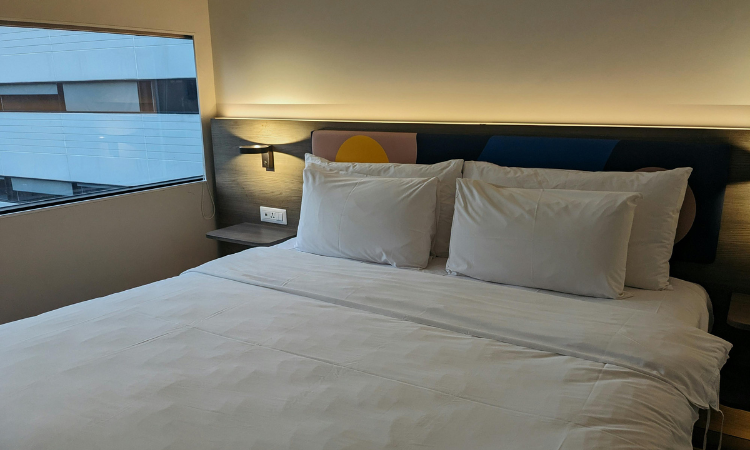
Overview: Sofitel Legend Peoples Grand Hotel Xi’an is a historic luxury property located near the heart of Xi’an. Its elegant setting provides convenient access to the city’s famous landmarks while offering a quieter environment than some larger modern hotels. It works particularly well for travelers using Xi’an as a base for exploring China’s imperial history.
Why It Stands Out: Its historic character and central location make it especially appealing to visitors interested in architecture and Chinese history.
Best Amenities: Indoor pool, spa, fitness center, restaurants, gardens, lounge, and concierge services.
Who It’s Ideal For: Couples, history enthusiasts, luxury travelers, and first-time visitors.
Nearby Attractions: Xi’an City Wall, Bell Tower, Drum Tower, Muslim Quarter, and Big Wild Goose Pagoda.
Pros: Historic atmosphere, central location, comfortable facilities, and peaceful grounds.
Cons: Premium pricing; some major attractions require taxis or public transport.
Overall Recommendation: This hotel is an excellent option for travelers who want to combine sightseeing with a distinctive historic hotel experience in Xi’an.
9. Yangshuo Mountain Retreat
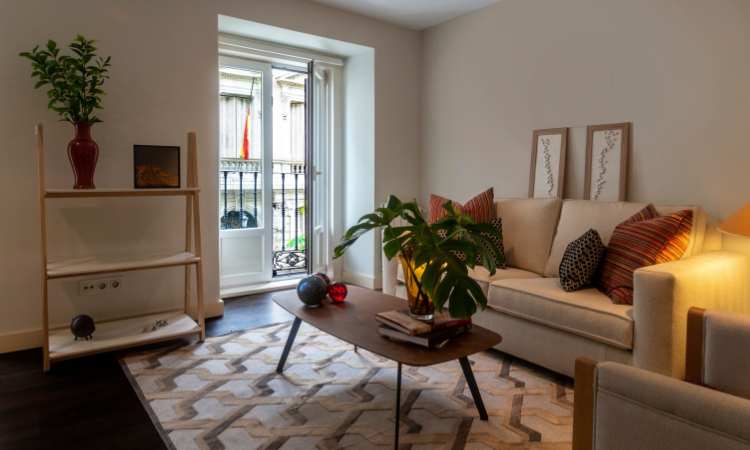
Overview: Yangshuo Mountain Retreat is a countryside hotel near Yangshuo, Guangxi, offering a very different experience from China’s major city hotels. Surrounded by dramatic karst scenery and close to the Li River, it provides a convenient base for cycling, hiking, river activities, and exploring rural landscapes.
Why It Stands Out: The natural setting is the main attraction. Travelers can enjoy spectacular scenery without staying in a busy urban area.
Best Amenities: Riverside dining, outdoor areas, bicycles, comfortable rooms, and access to local outdoor activities.
Who It’s Ideal For: Couples, nature lovers, photographers, cyclists, and travelers seeking a slower pace.
Nearby Attractions: Li River, Yangshuo town, Moon Hill, Yulong River, and countryside cycling routes.
Pros: Outstanding scenery, peaceful setting, outdoor activities, and relaxed atmosphere.
Cons: Remote location; fewer urban conveniences and nightlife options.
Overall Recommendation: Yangshuo Mountain Retreat is a great choice for travelers who want nature, outdoor adventures, and a quieter alternative to China’s major cities.
10. Holiday Inn Express Beijing Dongzhimen
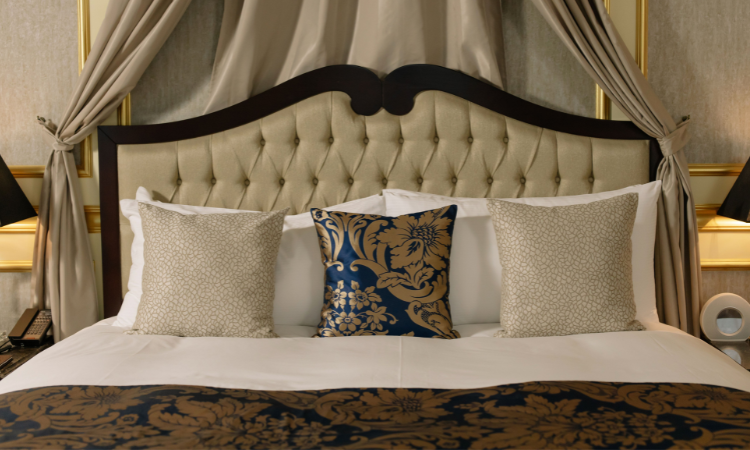
Overview: Holiday Inn Express Beijing Dongzhimen is a practical mid-range option for travelers who want reliable accommodation without paying luxury-hotel prices. Its location provides access to restaurants, shopping areas, public transportation, and Beijing’s central attractions, making it particularly useful for short city breaks.
Why It Stands Out: The hotel focuses on essentials rather than unnecessary luxury, making it suitable for travelers who spend most of their day sightseeing.
Best Amenities: Complimentary breakfast, Wi-Fi, fitness facilities, business services, and 24-hour reception.
Who It’s Ideal For: Budget-conscious travelers, business visitors, solo travelers, and families.
Nearby Attractions: Sanlitun, Workers’ Stadium, Yonghe Temple, Wangfujing, and central Beijing.
Pros: Good value, convenient location, breakfast included, and dependable facilities.
Cons: Fewer luxury amenities; rooms are simpler than those at five-star properties.
Overall Recommendation: For travelers searching for the best hotels in China on a moderate budget, Holiday Inn Express Beijing Dongzhimen offers a practical combination of comfort, location, and value.
How to Choose the Right Hotel in China
Luxury vs. boutique: Choose a luxury hotel in Beijing, Shanghai, or major resort areas if you prioritize extensive facilities and service. Boutique hotels are better for travelers seeking character, smaller settings, or historic architecture.
Families: Look for larger rooms, connecting rooms, breakfast, laundry facilities, and convenient transport. Hotels near major attractions can save significant travel time.
Couples: Boutique properties, scenic retreats, and hotels with spas or rooftop restaurants are ideal for a more relaxed stay.
Ski holidays: For skiing, consider hotels in destinations such as Chongli or Harbin. Prioritize proximity to ski resorts, equipment rental, shuttle services, and heated facilities.
Summer travel: Mountain and countryside hotels can provide cooler surroundings, while city hotels should have reliable air conditioning and easy access to public transportation.
Budget considerations: Compare the total cost, including breakfast, taxes, transportation, and resort fees where applicable. Mid-range hotels often provide the best balance of comfort and price.
Best locations: Beijing suits history lovers, Shanghai works well for city breaks, Chengdu is excellent for food and pandas, Xi’an for history, and Guilin/Yangshuo for scenery.
Travel Tips Before Booking
Best booking season: Reserve early for major holidays and popular destinations. Prices and availability can change quickly during busy periods.
Peak vs. shoulder season: Peak periods offer lively conditions but higher prices and crowds. Shoulder seasons can provide better hotel value and easier sightseeing.
China Travel Pass: Check current visa, rail-pass, and transportation requirements before booking. China does not have one universal tourist pass covering every hotel, attraction, and train.
Cancellation policies: Read the cancellation deadline, refund conditions, and payment requirements carefully, especially for discounted or prepaid rooms.
Transportation: Choose accommodation near a metro station or major transport hub when possible. In large Chinese cities, convenient public transportation can matter more than staying beside a specific attraction.
FAQs
1. What is the best hotel in China?
There is no single best hotel for every traveler. The Peninsula Beijing is an excellent choice for luxury and sightseeing, The Temple House suits travelers visiting Chengdu, and Waldorf Astoria Shanghai works well for first-time visitors wanting a central location. Your ideal hotel depends on destination, budget, and travel style.
2. Where should tourists stay in China?
Tourists should choose accommodation based on their itinerary. Beijing is ideal for history and major landmarks, Shanghai for modern city experiences, Xi’an for ancient Chinese culture, Chengdu for food and pandas, and Yangshuo for dramatic scenery. Staying near a metro station or convenient transport hub can make sightseeing considerably easier.
3. Are Chinese hotels expensive?
Chinese hotels range from inexpensive hostels and budget properties to extremely luxurious five-star resorts. Major cities such as Beijing and Shanghai generally have more expensive options, while smaller cities can offer excellent value. Booking ahead, traveling during shoulder seasons, and comparing several properties can help reduce accommodation costs.
4. Which hotel has the best mountain views in China?
For dramatic natural scenery, Yangshuo Mountain Retreat is an excellent option, particularly for travelers interested in karst landscapes and the Li River. Cappadocia-style cave hotels are not relevant here; instead, destinations such as Yangshuo, Guilin, Zhangjiajie, and parts of Yunnan offer some of China’s most impressive mountain and landscape views.
5. What is the best area to stay in China?
The best area depends on your destination. In Beijing, central districts near major attractions and subway lines are convenient. In Shanghai, the Bund and Jing’an are popular choices. Xi’an’s city center works well for sightseeing, while central Chengdu is convenient for restaurants, shopping, and cultural attractions.
6. Is China good for luxury hotels?
Yes. China has an extensive luxury-hotel scene, particularly in Beijing, Shanghai, Shenzhen, Guangzhou, Chengdu, and major resort destinations. Travelers can find international five-star brands alongside distinctive Chinese properties. Luxury hotels commonly offer spas, fine dining, pools, fitness centers, business services, and concierge assistance.
7. What is the best time to visit China?
Spring and autumn are generally among the most comfortable seasons for traveling around China. April to May and September to October often provide pleasant conditions in many destinations. However, China is geographically enormous, so weather varies considerably. Check conditions for each city and avoid major national holidays if you want fewer crowds.
8. Which Chinese hotels are family-friendly?
Family-friendly hotels usually provide spacious rooms, connecting-room options, breakfast, swimming pools, laundry services, and convenient transportation. Large international hotels in Beijing and Shanghai can be particularly practical for families because they offer extensive facilities. Resorts in destinations such as Sanya and Guilin are also worth considering for longer family stays.
9. Which hotels are best for honeymooners?
Couples can choose from luxury city hotels, countryside retreats, and scenic resorts. Properties overlooking the Li River, high-end hotels in Shanghai, and luxury resorts in destinations such as Hangzhou and Yunnan can provide memorable settings. Look for private rooms, spa facilities, romantic dining, scenic views, and convenient access to attractions.
10. How many days should I spend in China?
For a first trip, 10 to 14 days gives you enough time to experience several major destinations without rushing constantly. A shorter seven-day trip works better when focused on two cities, such as Beijing and Shanghai. Travelers with two or three weeks can add Xi’an, Chengdu, Guilin, or another regional destination.
11. Are hotels in China suitable for international tourists?
Many hotels in major tourist cities regularly accommodate international visitors and offer multilingual services. However, standards and facilities vary between properties. Before booking, check recent guest reviews, accepted identification requirements, payment methods, breakfast options, and the hotel’s location relative to public transportation.
12. Should I book hotels in China in advance?
Yes, especially for popular destinations and travel during national holidays or peak seasons. Booking early gives you more choice and can provide better rates. For luxury or highly rated boutique properties, advance reservations are particularly useful because desirable rooms can sell out before arrival.
13. Which Chinese cities are best for first-time visitors?
Beijing, Shanghai, and Xi’an are strong choices for first-time visitors because they offer different sides of China. Beijing is ideal for imperial history, Shanghai showcases modern China, and Xi’an is famous for its ancient heritage and Terracotta Army. Adding Chengdu is worthwhile if food and giant pandas are priorities.
14. What should I consider when choosing a hotel in China?
Consider location first, followed by transportation, room size, hotel facilities, reviews, cancellation terms, and total cost. A cheaper hotel far from a metro station may cost more in time and transportation. For longer stays, breakfast, laundry facilities, Wi-Fi, and room space can make a significant practical difference.
15. What are the best hotels in China for different budgets?
Luxury travelers can consider properties such as The Peninsula Beijing or Waldorf Astoria Shanghai. Mid-range travelers can find strong options through reputable international and Chinese hotel brands. Budget travelers should prioritize clean, well-reviewed properties near metro stations rather than choosing solely by the lowest nightly rate.
Conclusion
China offers an unusually wide range of accommodation, from historic luxury hotels in Beijing and Shanghai to peaceful countryside retreats and practical budget properties. The best choice depends heavily on your itinerary and travel priorities.
For overall luxury, The Peninsula Beijing is a strong option for combining high-end comfort with convenient sightseeing. The Temple House is particularly appealing in Chengdu, while Waldorf Astoria Shanghai suits travelers who want an upscale stay near the Bund. For scenery and outdoor experiences, Yangshuo Mountain Retreat offers a completely different atmosphere.
Families should prioritize spacious rooms and convenient transportation, while couples may prefer boutique properties, scenic resorts, or hotels with spa facilities. Budget travelers can save by choosing well-reviewed mid-range hotels near metro stations instead of paying a premium for a central landmark view.
Book accommodation early if your trip falls during China’s busiest travel periods, especially major national holidays. Most importantly, choose hotels based on your actual itinerary rather than the hotel’s reputation alone. A convenient location can save hours of travel and make exploring China’s enormous cities and landscapes far more enjoyable.