
THE BEST PLACES TO VISIT IN SWITZERLAND
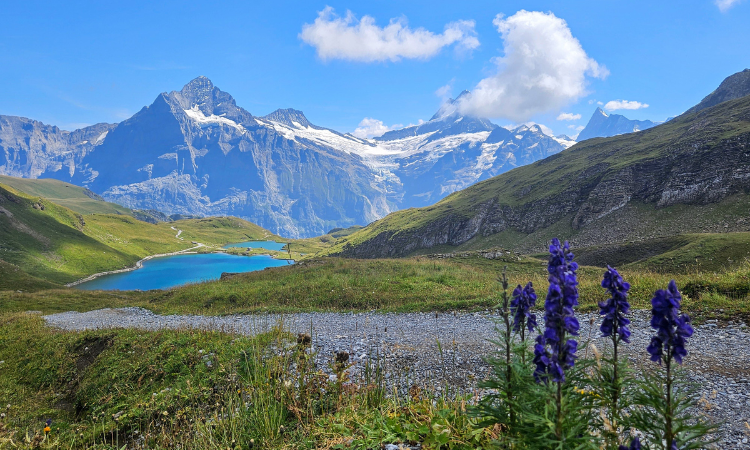
Switzerland is a destination that consistently ranks among the world’s most spectacular travel destinations, and for good reason. Nestled in the heart of Europe, this breathtaking country is renowned for its snow-capped Alps, crystal-clear lakes, charming medieval towns, world-class ski resorts, and efficient transportation system. Whether you’re dreaming of hiking through the Swiss Alps, cruising across pristine lakes, exploring picturesque villages, or indulging in Swiss chocolate and cheese, Switzerland offers unforgettable experiences throughout the year.
One of Switzerland’s greatest strengths is its incredible diversity despite its relatively small size. In a single trip, you can wander the historic streets of cities like Zurich and Bern, ride panoramic trains through dramatic mountain landscapes, relax beside turquoise alpine lakes, and discover hidden villages that seem frozen in time. Every region has its own unique character, culture, cuisine, and scenery, making Switzerland an ideal destination for first-time visitors and seasoned travelers alike.
Switzerland is also remarkably accessible and traveler-friendly. Its extensive rail network connects major cities, mountain resorts, and scenic destinations with impressive efficiency, allowing visitors to experience multiple regions without the need for a car. Outdoor enthusiasts can enjoy hiking, skiing, snowboarding, paragliding, mountain biking, and boating, while culture lovers will appreciate the country’s museums, historic castles, art galleries, and vibrant local festivals.
Whether you’re planning a romantic honeymoon, a family vacation, a solo adventure, or an unforgettable road trip, Switzerland offers something to suit every travel style and budget. Luxury travelers will find world-famous alpine resorts and five-star hotels, while budget-conscious visitors can explore scenic hiking trails, charming villages, and affordable public transportation with careful planning.
In this comprehensive guide, you’ll discover the best places to visit in Switzerland, from iconic destinations such as Zermatt, Lucerne, and Interlaken to lesser-known gems that deserve a place on every travel itinerary. You’ll also find practical travel tips, seasonal recommendations, budget advice, suggested itineraries, and insider insights to help you plan the perfect Swiss adventure.
Quick Answer Box
What are the best places to visit in Switzerland?
The best places to visit in Switzerland include Zurich, Lucerne, Interlaken, Zermatt, Grindelwald, Lauterbrunnen, Bern, Geneva, Montreux, St. Moritz, Lake Lucerne, and the Jungfrau Region. Together, these destinations showcase Switzerland’s breathtaking Alpine scenery, historic cities, picturesque villages, world-famous mountain railways, outdoor adventures, and rich cultural heritage, making them ideal for families, couples, solo travelers, and nature lovers alike.
Quick Comparison Table: The 10 Best Places to Visit in Switzerland
| Destination | Why Visit | Best For | Budget | Best Season |
| Zermatt | Home to the iconic Matterhorn, world-class skiing, scenic hiking trails, and luxury Alpine experiences | Skiers, hikers, couples, photographers | $$$ | Winter & Summer |
| Lucerne | Historic Old Town, beautiful lake, mountain excursions, and classic Swiss charm | Families, first-time visitors, culture lovers | $$–$$$ | Spring, Summer & Autumn |
| Interlaken | Switzerland’s adventure capital surrounded by lakes and the Bernese Alps | Adventure seekers, nature lovers | $$–$$$ | Summer & Autumn |
| Zurich | Switzerland’s largest city with world-class shopping, museums, and vibrant nightlife | City breaks, solo travelers, food lovers | $$$ | Spring, Summer & Christmas |
| Lauterbrunnen | Spectacular valley featuring waterfalls, hiking trails, and picturesque villages | Hikers, photographers, couples | $$ | Late Spring to Early Autumn |
| Geneva | Cosmopolitan city known for Lake Geneva, international organizations, and fine dining | Luxury travelers, business travelers | $$$ | Spring & Summer |
| Bern | Switzerland’s medieval capital with UNESCO-listed Old Town and rich history | History lovers, families | $$ | Spring to Autumn |
| Grindelwald | Charming mountain village with year-round outdoor adventures | Adventure travelers, families | $$–$$$ | Winter & Summer |
| Montreux | Elegant lakeside town famous for vineyards, castles, and scenic promenades | Couples, wine lovers | $$$ | Spring to Autumn |
| St. Moritz | Luxury mountain resort offering skiing, fine dining, and glamorous Alpine experiences | Luxury travelers, honeymooners | $$$$ | Winter & Summer |
RAPID LINKS FOR SWITZERLAND
1. Zermatt
Overview
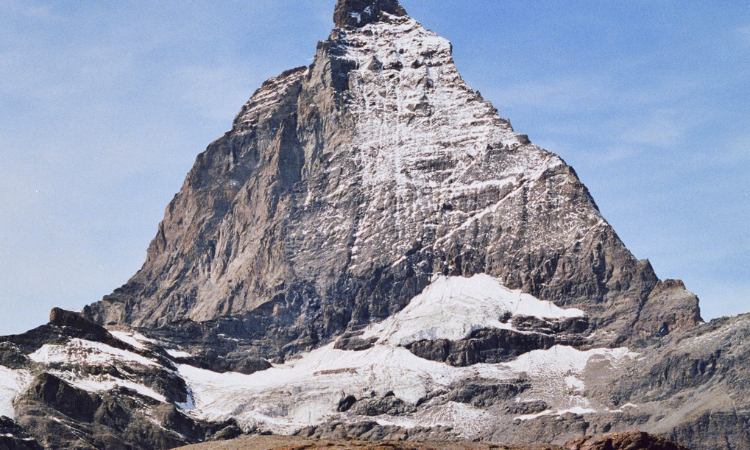
Nestled beneath the iconic Matterhorn, Zermatt is one of Switzerland’s most breathtaking destinations and a must-visit for anyone exploring the Swiss Alps. This charming, car-free mountain village combines traditional Swiss architecture with luxury accommodations, world-renowned ski slopes, and spectacular hiking trails. Whether covered in fresh winter snow or surrounded by colorful alpine meadows during summer, Zermatt offers unforgettable scenery in every season.
The village has become synonymous with outdoor adventure while maintaining its authentic Alpine atmosphere. Visitors can enjoy panoramic mountain railways, glacier excursions, gourmet restaurants, and peaceful walks through streets lined with traditional wooden chalets. Zermatt is equally appealing to experienced mountaineers, casual hikers, photographers, and travelers simply looking to experience one of Europe’s most beautiful landscapes.
Why Visit
Zermatt is best known for the majestic Matterhorn, one of the world’s most recognizable mountains. It also offers year-round skiing, scenic rail journeys, luxury hospitality, and countless opportunities for hiking, mountain biking, and photography.
Best Time to Visit
- December to March: Ideal for skiing and snowboarding.
- June to September: Best for hiking, mountain biking, and sightseeing.
- October: Fewer crowds and beautiful autumn colors.
Weather
- Winter: 18–37°F (-8–3°C), frequent snowfall.
- Summer: 50–72°F (10–22°C), cool and comfortable.
- Spring & Autumn: Mild temperatures with changing mountain conditions.
Top Things to Do
- Ride the Gornergrat Railway.
- Visit Matterhorn Glacier Paradise.
- Hike the Five Lakes Trail.
- Ski on Europe’s highest ski slopes.
- Explore the village center.
- Take panoramic cable car rides.
- Enjoy Swiss fondue with mountain views.
- Photograph the Matterhorn at sunrise.
Major Attractions
- Matterhorn
- Gornergrat
- Matterhorn Glacier Paradise
- Sunnegga
- Schwarzsee
- Matterhorn Museum
Hidden Gems
- Stellisee Lake, famous for reflecting the Matterhorn.
- Zmutt Village, a peaceful traditional hamlet.
- Findeln, known for its rustic mountain restaurants and scenic hiking trails.
Pros
- Spectacular Alpine scenery.
- Excellent hiking and skiing.
- Car-free environment.
- Luxury accommodations.
- Outstanding mountain transportation.
Cons
- One of Switzerland’s most expensive destinations.
- Hotels book quickly during peak seasons.
- Mountain weather can change rapidly.
Best For
- Couples
- Honeymooners
- Adventure travelers
- Photographers
- Ski enthusiasts
- Luxury travelers
Insider Travel Tip
Purchase the Peak Pass if you plan to visit several mountain viewpoints. It offers unlimited access to many cable cars and railways, saving both time and money while allowing you to experience Zermatt’s best panoramic landscapes.
READ ALSO THE BEST HOTELS IN SWITZERLAND (TOP 10)
READ ALSO THE BEST PLACES TO VISIT IN NEW YORK : The ultimate travel guide.
2. Lucerne
Overview
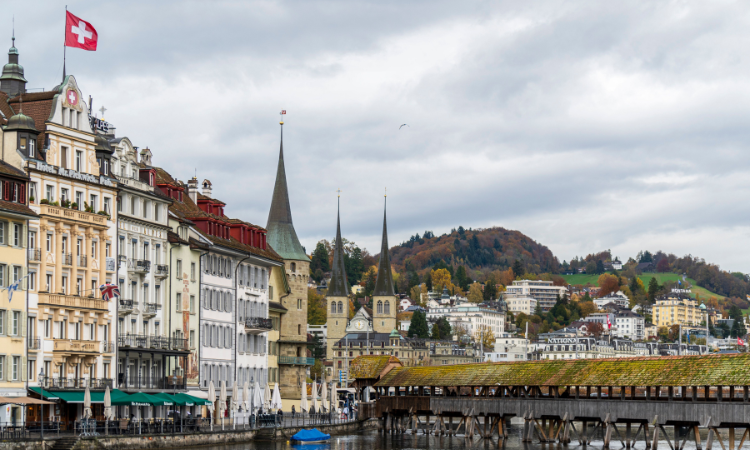
Lucerne is often considered the quintessential Swiss city thanks to its perfect blend of medieval architecture, sparkling lakes, and dramatic mountain scenery. Located on the shores of Lake Lucerne and surrounded by the Swiss Alps, the city offers visitors an unforgettable combination of history, culture, and natural beauty. Its compact, walkable center makes it an excellent destination for first-time visitors, while nearby mountain excursions provide endless opportunities for outdoor adventure.
The city’s beautifully preserved Old Town features colorful frescoed buildings, charming squares, boutique shops, and inviting cafés. Lucerne also serves as one of Switzerland’s best transportation hubs, making it easy to combine city sightseeing with day trips to Mount Pilatus, Mount Rigi, or other nearby Alpine attractions.
Why Visit
Lucerne offers everything travelers expect from Switzerland: scenic lake cruises, mountain railways, medieval streets, historic landmarks, and stunning Alpine views. It delivers a balanced mix of culture, history, and outdoor experiences in one easily accessible destination.
Best Time to Visit
- May to September: Pleasant weather for sightseeing and lake cruises.
- October: Beautiful autumn colors and fewer visitors.
- December: Christmas markets and festive lights create a magical atmosphere.
Weather
- Summer: 55–77°F (13–25°C), warm and comfortable.
- Winter: 28–43°F (-2–6°C), cool with occasional snowfall.
- Spring & Autumn: Mild temperatures with changing scenery.
Top Things to Do
- Walk across the historic Chapel Bridge.
- Visit the Lion Monument.
- Cruise Lake Lucerne.
- Ride the cogwheel railway to Mount Pilatus.
- Explore Mount Rigi.
- Wander through Lucerne’s Old Town.
- Visit the Swiss Museum of Transport.
- Shop for Swiss watches, chocolates, and souvenirs.
Major Attractions
- Chapel Bridge (Kapellbrücke)
- Lake Lucerne
- Lion Monument
- Mount Pilatus
- Mount Rigi
- Swiss Museum of Transport
Hidden Gems
- Musegg Wall and its historic towers.
- Meggenhorn Castle.
- Richard Wagner Museum.
- Kleine Schanze Park overlooking the lake.
Pros
- One of Switzerland’s most beautiful cities.
- Family-friendly attractions.
- Excellent transportation connections.
- Stunning lake and mountain scenery.
- Rich cultural heritage.
Cons
- Accommodation can be expensive during summer.
- Popular attractions become crowded during peak tourist season.
- Restaurants in tourist areas tend to charge premium prices.
Best For
- Families
- Couples
- First-time visitors
- History enthusiasts
- Photographers
- Cultural travelers
Insider Travel Tip
Combine a Lake Lucerne cruise with a Mount Pilatus Golden Round Trip. This unforgettable journey includes a scenic boat ride, the world’s steepest cogwheel railway, panoramic cable cars, and spectacular mountain views—all in a single day.
READ ALSO THE BEST PLACES TO TRAVEL IN JANUARY
3. Interlaken
Overview
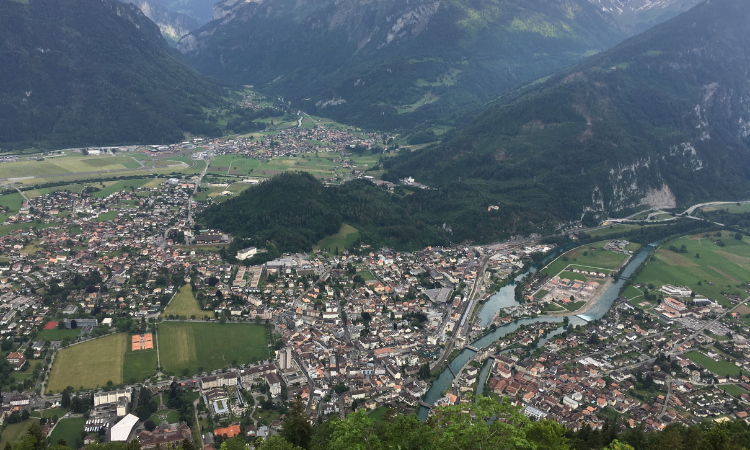
Nestled between the turquoise waters of Lake Thun and Lake Brienz, Interlaken is widely regarded as Switzerland’s adventure capital. Surrounded by the majestic peaks of the Bernese Oberland, this vibrant resort town serves as the gateway to the famous Jungfrau Region, making it one of the country’s most popular destinations for outdoor enthusiasts. Whether you’re looking for adrenaline-pumping activities, scenic train rides, or peaceful lakeside strolls, Interlaken offers something for every type of traveler.
Its central location makes it an ideal base for exploring nearby attractions such as Grindelwald, Lauterbrunnen, Jungfraujoch, and Harder Kulm. During the summer months, visitors flock here for hiking, paragliding, kayaking, and mountain biking, while winter transforms the region into a paradise for skiing, snowboarding, and snowshoeing. Combined with excellent public transportation, breathtaking Alpine scenery, and a welcoming atmosphere, Interlaken is one of Switzerland’s most unforgettable destinations.
Why Visit
Interlaken is the perfect destination for travelers seeking adventure, spectacular mountain scenery, and easy access to some of Switzerland’s most iconic landscapes. It combines outdoor activities with charming streets, lakeside relaxation, and world-famous panoramic railways.
Best Time to Visit
- June to September: Best for hiking, paragliding, and water sports.
- December to March: Excellent for skiing and winter adventures.
- May and October: Pleasant weather with fewer tourists.
Weather
- Summer: 57–77°F (14–25°C), warm and ideal for outdoor activities.
- Winter: 27–41°F (-3–5°C), cold with frequent snowfall.
- Spring & Autumn: Mild temperatures with colorful scenery.
Top Things to Do
- Ride the funicular to Harder Kulm.
- Visit Jungfraujoch, the “Top of Europe.”
- Go paragliding over Interlaken.
- Cruise Lake Thun or Lake Brienz.
- Kayak on crystal-clear alpine lakes.
- Explore Höhematte Park.
- Take scenic train journeys.
- Visit nearby Grindelwald and Lauterbrunnen.
Major Attractions
- Harder Kulm
- Lake Thun
- Lake Brienz
- Jungfraujoch
- Höhematte Park
- St. Beatus Caves
Hidden Gems
- Iseltwald, a peaceful lakeside village.
- Giessbach Falls.
- Lombachalp Nature Reserve.
- Ringgenberg village overlooking Lake Brienz.
Pros
- Adventure sports for every skill level.
- Incredible Alpine scenery.
- Excellent transportation links.
- Easy access to nearby mountain villages.
- Suitable for year-round travel.
Cons
- Busy during the summer season.
- Accommodation prices increase during peak months.
- Outdoor activities may be affected by weather.
Best For
- Adventure travelers
- Families
- Nature lovers
- Hikers
- Photographers
- Couples
Insider Travel Tip
Spend at least three nights in Interlaken. This allows enough time to explore the town while taking unforgettable day trips to Jungfraujoch, Lauterbrunnen, and Grindelwald without rushing.
4. Zurich
Overview
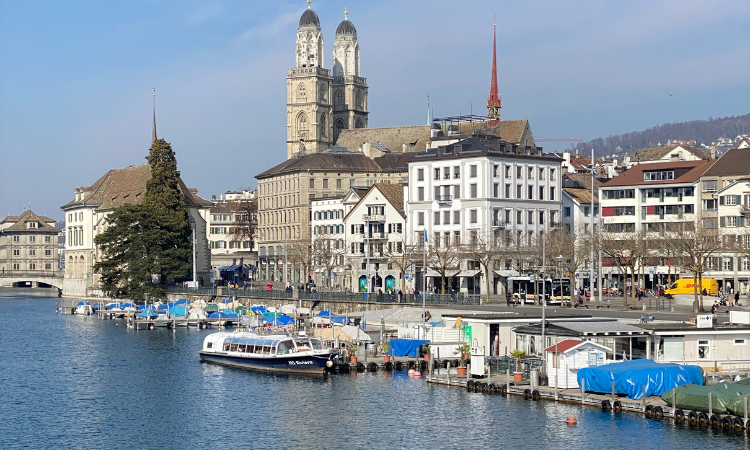
As Switzerland’s largest city and financial capital, Zurich seamlessly blends centuries-old history with modern innovation. Located on the northern shores of Lake Zurich, the city is renowned for its picturesque Old Town, world-class museums, luxury shopping, vibrant culinary scene, and outstanding quality of life. While many travelers pass through Zurich on their way to the Alps, those who stay discover a lively destination rich in culture, architecture, and outdoor beauty.
Zurich’s walkable streets, efficient public transportation, and scenic lakeside promenades make it one of Europe’s easiest cities to explore. Visitors can spend the morning admiring medieval churches and historic guild houses, enjoy lunch at a lakeside café, browse luxury boutiques along Bahnhofstrasse, and finish the day with a relaxing cruise on Lake Zurich. Its combination of urban sophistication and natural surroundings makes Zurich an excellent starting point for any Swiss itinerary.
Why Visit
Zurich offers the perfect mix of history, culture, shopping, gastronomy, and outdoor recreation. It is home to some of Switzerland’s finest museums, lively nightlife, and beautiful parks while providing easy access to nearby mountains and lakes.
Best Time to Visit
- April to October: Ideal for sightseeing, lake cruises, and outdoor activities.
- December: Famous for Christmas markets and festive decorations.
- Spring and Autumn: Pleasant weather with fewer crowds.
Weather
- Summer: 61–79°F (16–26°C), warm and sunny.
- Winter: 30–43°F (-1–6°C), cool with occasional snowfall.
- Spring & Autumn: Mild temperatures perfect for walking tours.
Top Things to Do
- Stroll along Bahnhofstrasse.
- Explore Zurich’s Old Town (Altstadt).
- Cruise on Lake Zurich.
- Visit the Swiss National Museum.
- Discover Kunsthaus Zurich.
- Relax in Lindenhof Park.
- Ride the train to Uetliberg Mountain.
- Sample traditional Swiss cuisine and artisan chocolate.
Major Attractions
- Bahnhofstrasse
- Lake Zurich
- Grossmünster
- Fraumünster Church
- Swiss National Museum
- Kunsthaus Zurich
Hidden Gems
- Viadukt Market.
- Freitag Tower.
- Botanical Garden.
- Im Viadukt shopping district.
- Uetliberg panoramic hiking trails.
Pros
- Excellent public transportation.
- Rich cultural and historical attractions.
- Beautiful lakeside setting.
- Outstanding restaurants and shopping.
- Ideal base for day trips.
Cons
- One of Europe’s most expensive cities.
- Accommodation prices are high year-round.
- Popular attractions can become busy during summer.
Best For
- City explorers
- Solo travelers
- Families
- Food lovers
- Business travelers
- Luxury travelers
Insider Travel Tip
Purchase a Zürich Card for unlimited travel on buses, trams, trains, boats, and cableways within the city, along with free or discounted admission to many museums and attractions. It’s one of the easiest ways to save both time and money while exploring Zurich.
READ ALSO THE BEST PLACES TO VISIT IN FEBRUARY
5. Lauterbrunnen
Overview
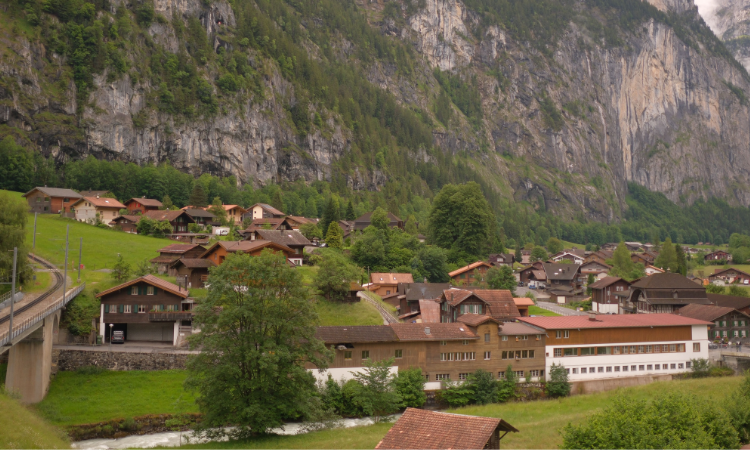
Lauterbrunnen is one of the most breathtaking valleys in Switzerland, often described as a place that feels almost unreal. Surrounded by towering cliffs and dotted with traditional wooden chalets, the valley is famous for its 72 waterfalls cascading down steep rock faces. Located in the heart of the Bernese Oberland, Lauterbrunnen serves as a gateway to some of Switzerland’s most iconic alpine destinations, including Wengen, Mürren, and the Jungfrau region.
Unlike larger tourist hubs, Lauterbrunnen maintains a peaceful, almost cinematic atmosphere. The sound of rushing waterfalls, alpine meadows, and scenic train lines create a truly immersive natural experience. It is especially popular among hikers, photographers, and travelers seeking a quieter, more authentic Swiss mountain escape.
Why Visit
Lauterbrunnen is best known for its dramatic valley scenery and waterfalls, including Staubbach Falls and Trümmelbach Falls. It offers unmatched natural beauty and easy access to alpine adventures without the crowds of bigger destinations.
Best Time to Visit
- May to September: Best for hiking, waterfalls, and village exploration.
- December to March: Snow-covered landscapes and winter sports nearby.
- October: Quiet season with autumn colors and fewer tourists.
Weather
- Summer: 55–73°F (13–23°C), mild and green.
- Winter: 25–39°F (-4–4°C), cold with snowfall.
- Spring/Autumn: Cool and variable mountain conditions.
Top Things to Do
- Visit Staubbach Falls.
- Explore Trümmelbach Falls inside the mountain.
- Ride the cable car to Mürren.
- Take a train to Wengen.
- Hike the Lauterbrunnen Valley Trail.
- Visit nearby Grindelwald.
- Paraglide over the valley.
- Explore alpine meadows and viewpoints.
Major Attractions
- Staubbach Falls
- Trümmelbach Falls
- Mürren village
- Wengen
- Jungfrau Railway access
Hidden Gems
- Isenfluh village viewpoint.
- Stechelberg cable car station.
- Secret hiking paths above Mürren.
- Quiet riverside trails along the valley floor.
Pros
- One of the most scenic valleys in Europe.
- Easy access to Jungfrau region.
- Peaceful atmosphere.
- Excellent hiking opportunities.
- Stunning photography spots.
Cons
- Limited nightlife.
- Fewer hotels compared to larger towns.
- Weather can change quickly in the mountains.
Best For
- Nature lovers
- Photographers
- Couples
- Hikers
- Adventure travelers
- Peace-seeking travelers
Insider Travel Tip
Stay in Mürren or Wengen instead of only Lauterbrunnen village. These higher-elevation villages offer even more spectacular views and reduce daytime tourist congestion.
6. Geneva
Overview
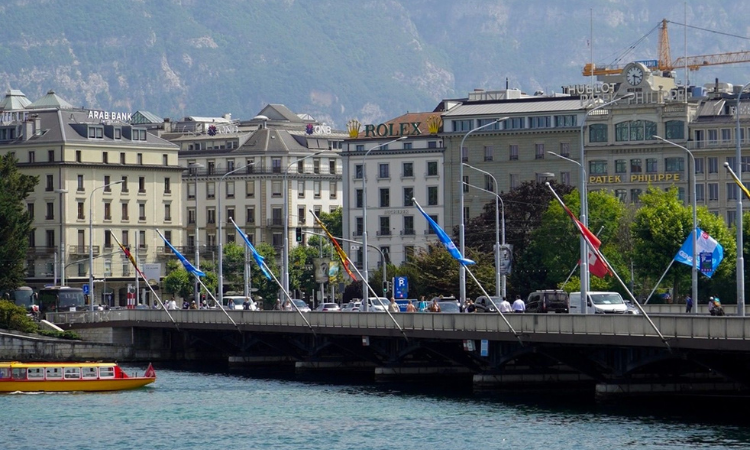
Geneva is Switzerland’s international and diplomatic capital, known for its global institutions, elegant lakeside setting, and refined cultural atmosphere. Located on the shores of Lake Geneva and surrounded by the Alps and Jura mountains, the city offers a unique blend of natural beauty and cosmopolitan sophistication. It is home to the United Nations, the Red Cross, and numerous international organizations, giving it a truly global character.
Beyond its diplomatic importance, Geneva is a beautiful city to explore. Its Old Town features cobblestone streets, historic buildings, and charming squares, while the lakefront promenade offers relaxing views of Jet d’Eau, one of the world’s most famous water fountains. The city also boasts world-class museums, luxury shopping, and excellent dining experiences.
Why Visit
Geneva combines international culture, lakeside beauty, and mountain views. It is ideal for travelers interested in history, diplomacy, fine dining, and scenic lake experiences with easy access to the Alps.
Best Time to Visit
- May to September: Best for lake activities and outdoor dining.
- December: Festive atmosphere with Christmas lights.
- Spring and Autumn: Comfortable weather and fewer tourists.
Weather
- Summer: 60–79°F (16–26°C), warm and pleasant.
- Winter: 32–43°F (0–6°C), cool with occasional snow.
- Spring/Autumn: Mild and comfortable for sightseeing.
Top Things to Do
- Visit the Jet d’Eau fountain.
- Explore the Old Town (Vieille Ville).
- Tour the United Nations headquarters.
- Visit the Red Cross Museum.
- Relax along Lake Geneva.
- Walk through Parc des Bastions.
- Explore Patek Philippe Museum.
- Take a lake cruise.
Major Attractions
- Jet d’Eau
- Lake Geneva
- St. Pierre Cathedral
- United Nations Office
- Red Cross Museum
- Parc des Bastions
Hidden Gems
- Carouge district with bohemian charm.
- Bains des Pâquis lakeside baths.
- Conservatory and Botanical Garden.
- Secret viewpoints along Mont Salève.
Pros
- International atmosphere.
- Beautiful lakeside scenery.
- Rich cultural attractions.
- Excellent transport connections.
- High quality of life and safety.
Cons
- One of the most expensive cities in Switzerland.
- Can feel formal compared to other Swiss destinations.
- Limited budget accommodation options.
Best For
- Couples
- Luxury travelers
- Business travelers
- Cultural explorers
- Solo travelers
- Families interested in museums and history
Insider Travel Tip
Take a short trip across the border into France to visit Mont Salève. It offers one of the best panoramic views over Geneva and Lake Geneva, especially at sunset, and is easily accessible by cable car or car.
7. Bern
Overview
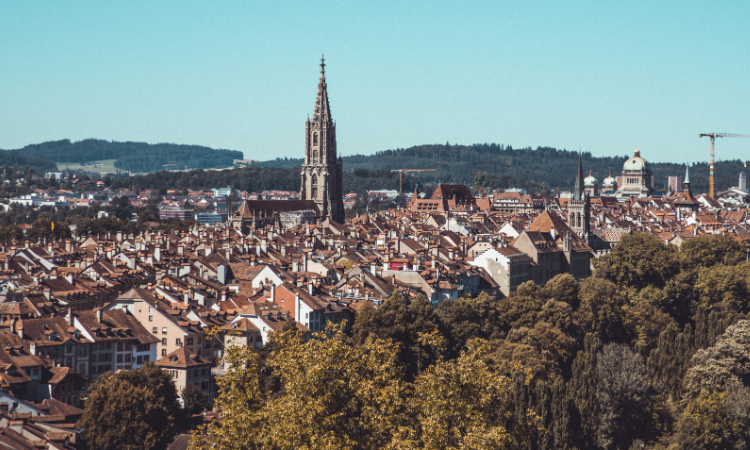
Bern, the capital of Switzerland, is one of Europe’s most beautifully preserved medieval cities. Recognized as a UNESCO World Heritage Site, Bern is known for its arcaded walkways, sandstone buildings, historic fountains, and relaxed riverside lifestyle. Unlike more fast-paced Swiss cities, Bern offers a calm and charming atmosphere where history blends seamlessly with modern Swiss life.
The Aare River curves dramatically around the Old Town, creating a natural peninsula that gives Bern its distinctive shape. Visitors can explore centuries-old architecture, enjoy cozy cafés under covered arcades, and take in panoramic views from the Rose Garden. Despite being the political center of Switzerland, Bern feels intimate, walkable, and culturally rich.
Why Visit
Bern is ideal for travelers who enjoy history, architecture, and relaxed city exploration. Its medieval Old Town is one of the best preserved in Europe, offering a unique glimpse into Switzerland’s past while still providing modern comforts and cultural experiences.
Best Time to Visit
- April to October: Best weather for walking tours and river views.
- December: Festive Christmas markets and winter charm.
- Summer: Ideal for swimming in the Aare River.
Weather
- Summer: 60–77°F (16–25°C), warm and pleasant.
- Winter: 30–43°F (-1–6°C), cold with occasional snow.
- Spring/Autumn: Mild and comfortable for sightseeing.
Top Things to Do
- Walk through Bern’s UNESCO Old Town.
- Visit Zytglogge Clock Tower.
- Explore Bern Cathedral (Berner Münster).
- Relax at the Rose Garden.
- Swim or float in the Aare River.
- Visit Einstein Museum.
- Explore the Federal Palace.
- Shop under medieval arcades.
Major Attractions
- Zytglogge Clock Tower
- Bern Cathedral
- Bear Park
- Federal Palace
- Rose Garden
- Einstein House Museum
Hidden Gems
- Matte neighborhood along the river.
- Botanical Garden of the University of Bern.
- Kleine Schanze park.
- Nydegg Church viewpoint.
Pros
- UNESCO-listed Old Town.
- Relaxed atmosphere.
- Rich cultural and historical sites.
- Beautiful riverside scenery.
- Less crowded than Zurich or Geneva.
Cons
- Fewer major attractions compared to other Swiss cities.
- Nightlife is relatively quiet.
- Weather can be unpredictable.
Best For
- History lovers
- Families
- Couples
- Cultural travelers
- Solo explorers
- Slow travel enthusiasts
Insider Travel Tip
Don’t miss the opportunity to float down the Aare River in summer. Locals treat it as a daily activity, and it’s one of the most unique and refreshing ways to experience Bern like a local.
READ ALSO THE BEST PLACES TO VISIT IN MARCH
8. Grindelwald
Overview
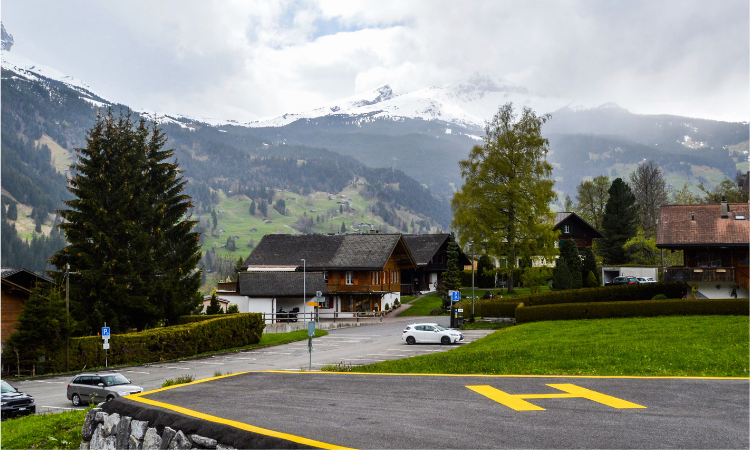
Grindelwald is one of Switzerland’s most picturesque mountain villages, located in the heart of the Bernese Oberland. Surrounded by dramatic peaks such as the Eiger, Wetterhorn, and Schreckhorn, it offers an unforgettable alpine setting that attracts hikers, skiers, and nature lovers from around the world. The village combines traditional Swiss charm with modern tourism infrastructure, making it both accessible and breathtaking.
Grindelwald serves as a key gateway to the Jungfrau region, offering easy access to Jungfraujoch, First Cliff Walk, and countless hiking trails. In winter, it transforms into a snowy paradise with ski slopes and cozy alpine lodges, while summer brings lush green valleys and crystal-clear mountain air.
Why Visit
Grindelwald is famous for its stunning mountain scenery and year-round outdoor activities. It is one of the best places in Switzerland for hiking, skiing, and panoramic viewpoints, making it a must-visit for nature and adventure lovers.
Best Time to Visit
- June to September: Hiking, sightseeing, and outdoor adventures.
- December to March: Skiing and snow sports.
- October: Quiet season with fewer crowds and autumn colors.
Weather
- Summer: 54–73°F (12–23°C), cool and fresh.
- Winter: 23–39°F (-5–4°C), snowy and cold.
- Spring/Autumn: Variable mountain weather.
Top Things to Do
- Ride the First Cliff Walk.
- Visit Jungfraujoch (Top of Europe).
- Hike to Bachalpsee Lake.
- Go skiing or snowboarding.
- Take cable cars to mountain viewpoints.
- Explore Grindelwald village.
- Try alpine sledding.
- Enjoy mountain biking trails.
Major Attractions
- First Cliff Walk
- Eiger Mountain
- Jungfraujoch Railway
- Bachalpsee Lake
- Pfingstegg
Hidden Gems
- Gletscherschlucht canyon.
- Isenfluh nearby viewpoints.
- Quiet alpine trails above the village.
- Less crowded hiking routes toward Männlichen.
Pros
- Incredible mountain scenery.
- Excellent outdoor activities.
- Easy access to Jungfrau region.
- Family-friendly attractions.
- Beautiful year-round destination.
Cons
- Can be expensive in peak season.
- Crowds during summer and winter holidays.
- Weather can change quickly in the mountains.
Best For
- Adventure travelers
- Families
- Ski enthusiasts
- Hikers
- Photographers
- Couples
Insider Travel Tip
Take the Männlichen to Kleine Scheidegg hiking route early in the morning. It offers some of the most spectacular views of the Eiger, Mönch, and Jungfrau peaks with far fewer tourists than midday hours.
9. Montreux
Overview
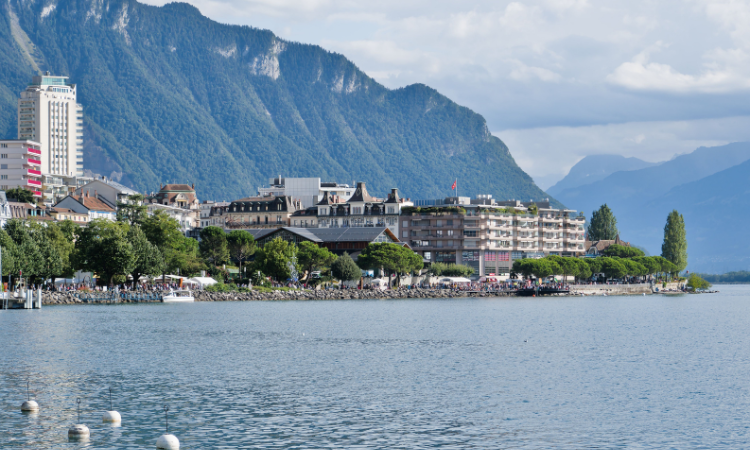
Montreux is one of Switzerland’s most elegant lakeside destinations, located on the shores of Lake Geneva with the Alps rising dramatically in the background. Known for its mild microclimate, palm-lined promenades, and cultural sophistication, Montreux offers a very different Swiss experience compared to the high mountain villages. It blends natural beauty, music, vineyards, and castle-studded landscapes into one refined destination.
The town is especially famous for the Montreux Jazz Festival, which attracts world-class musicians every summer. Beyond music, visitors are drawn to its scenic lakeside walks, nearby vineyards of Lavaux (a UNESCO World Heritage Site), and fairytale-like Château de Chillon. Montreux is ideal for relaxed exploration, romantic escapes, and cultural discovery.
Why Visit
Montreux is perfect for travelers seeking a combination of lake views, cultural events, wine tasting, and nearby mountain excursions. Its peaceful yet sophisticated atmosphere makes it one of Switzerland’s most romantic destinations.
Best Time to Visit
- May to September: Ideal for lakeside activities and festivals.
- July: Montreux Jazz Festival peak season.
- December: Magical Christmas markets along the lake.
Weather
- Summer: 64–79°F (18–26°C), warm and sunny.
- Winter: 35–45°F (2–7°C), mild compared to inland Switzerland.
- Spring/Autumn: Comfortable with fewer tourists.
Top Things to Do
- Walk the Montreux lakeside promenade.
- Visit Château de Chillon.
- Explore Lavaux vineyards.
- Take a Lake Geneva cruise.
- Ride the Rochers-de-Naye mountain railway.
- Attend Montreux Jazz Festival.
- Visit local wine cellars.
- Enjoy lakeside cafés.
Major Attractions
- Château de Chillon
- Lake Geneva promenade
- Lavaux Vineyards
- Rochers-de-Naye
- Freddie Mercury statue
Hidden Gems
- Caux mountain village viewpoint.
- Les Avants flower fields.
- Terraced vineyards walking trails.
- Quiet lakeside beaches near Clarens.
Pros
- Beautiful lakeside scenery.
- Mild climate year-round.
- Rich cultural events.
- Excellent wine region access.
- Romantic atmosphere.
Cons
- Expensive during festival season.
- Limited budget accommodation options.
- Tourist crowds in summer.
Best For
- Couples
- Honeymooners
- Culture lovers
- Wine enthusiasts
- Luxury travelers
- Relaxed vacation seekers
Insider Travel Tip
Visit Lavaux vineyards early in the morning or late afternoon for the best light and fewer crowds. The terraced vineyards are especially photogenic at sunset.
10. St. Moritz
Overview
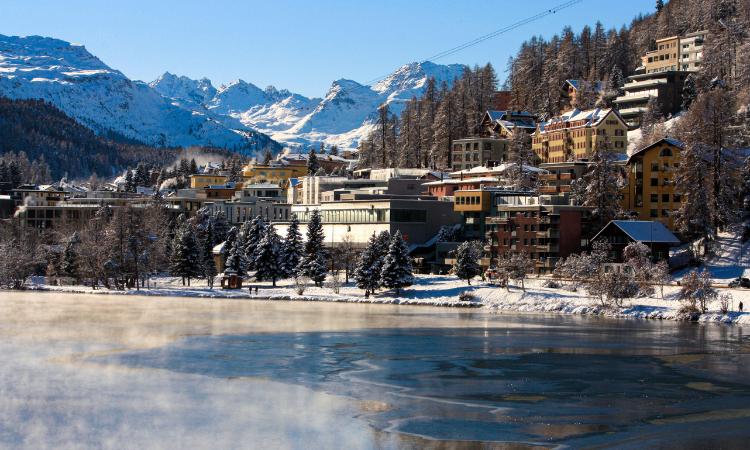
St. Moritz is Switzerland’s most glamorous alpine resort, known worldwide for luxury travel, elite winter sports, and high-end hospitality. Located in the Engadin Valley, it has hosted two Winter Olympics and remains a playground for the wealthy and adventure seekers alike. Despite its luxury reputation, St. Moritz also offers stunning natural beauty, crystal-clear lakes, and incredible hiking and skiing opportunities.
The town is divided into St. Moritz Dorf and St. Moritz Bad, both offering different atmospheres—from luxury boutiques and five-star hotels to wellness spas and lakefront relaxation. Surrounded by dramatic alpine peaks, it is a year-round destination for skiing, snowboarding, hiking, sailing, and cultural events.
Why Visit
St. Moritz is famous for world-class skiing, luxury experiences, high-end shopping, and pristine alpine landscapes. It combines natural beauty with sophistication, making it one of Europe’s most exclusive travel destinations.
Best Time to Visit
- December to March: Peak ski season and winter sports.
- June to September: Hiking, lake activities, and mild weather.
- February: Famous winter events and frozen lake activities.
Weather
- Winter: 14–32°F (-10–0°C), cold and snowy.
- Summer: 50–68°F (10–20°C), cool and pleasant.
- Spring/Autumn: Crisp alpine conditions.
Top Things to Do
- Ski world-class slopes.
- Walk across frozen Lake St. Moritz (winter).
- Ride the Bernina Express.
- Visit Segantini Museum.
- Enjoy luxury spa treatments.
- Go hiking or mountain biking.
- Explore Engadin Valley.
- Attend winter sports events.
Major Attractions
- Lake St. Moritz
- Corviglia ski area
- Bernina Express railway
- Segantini Museum
- Diavolezza Glacier
Hidden Gems
- Val Fex valley.
- Muottas Muragl viewpoint.
- Chamanna Segantini hiking hut.
- Quiet trails around Pontresina.
Pros
- World-famous ski resort.
- Luxury accommodations and dining.
- Stunning alpine scenery.
- Excellent winter sports infrastructure.
- High-end shopping and wellness.
Cons
- Extremely expensive destination.
- Exclusive atmosphere may not suit all travelers.
- Peak season crowds in winter.
Best For
- Luxury travelers
- Ski enthusiasts
- Honeymooners
- Adventure travelers
- High-end shoppers
- Photographers
Insider Travel Tip
Take the Bernina Express from St. Moritz to Tirano. It is one of the most scenic train journeys in the world, passing glaciers, viaducts, and alpine lakes in a single unforgettable ride.
Best of Switzerland: The Ultimate Travel Picks
Switzerland is one of the most diverse travel destinations in Europe, and narrowing down the best places to visit in Switzerland depends entirely on your travel style. From Alpine villages to cosmopolitan cities, this guide highlights the top experiences to help you plan the perfect itinerary.
Best Places for Families
The best places to visit in Switzerland for families include Lucerne, Interlaken, and Zurich. Lucerne offers boat cruises, museums, and easy mountain excursions like Mount Pilatus. Interlaken provides safe adventure activities such as gentle hikes, lake cruises, and scenic train rides. Zurich adds educational attractions like the Swiss National Museum and Zoo Zurich, making it one of the most family-friendly stops.
Best Places for Couples
For romance, the best places to visit in Switzerland for couples are Zermatt, Montreux, and Lucerne. Zermatt offers dramatic Matterhorn views and cozy chalets. Montreux provides lakeside walks and vineyard sunsets in Lavaux. Lucerne combines lake cruises with mountain dinners, making it ideal for romantic escapes.
Best Honeymoon Destinations
The top honeymoon spots among the best places to visit in Switzerland are Zermatt, St. Moritz, and Montreux. Zermatt offers luxury alpine seclusion, St. Moritz delivers world-class resorts and spa experiences, while Montreux provides peaceful lakefront elegance and wine country charm.
Best Budget Destinations
Budget-conscious travelers exploring the best places to visit in Switzerland should consider Bern, Interlaken, and Lauterbrunnen. These destinations offer affordable guesthouses, free hiking trails, scenic viewpoints, and excellent rail connections, allowing you to experience Switzerland without excessive costs.
Best Luxury Destinations
For luxury travel, the best places to visit in Switzerland include St. Moritz, Zermatt, and Geneva. These destinations feature five-star hotels, gourmet dining, designer shopping, and premium spa resorts. St. Moritz stands out as the pinnacle of Alpine luxury.
Best Adventure Destinations
Adventure seekers will find the best places to visit in Switzerland in Interlaken, Grindelwald, and Lauterbrunnen. These regions offer paragliding, skiing, glacier hiking, canyoning, and world-class mountain trails. Interlaken is especially known as the adventure capital of Europe.
Best Nature Destinations
The most scenic best places to visit in Switzerland for nature lovers include Lauterbrunnen, Grindelwald, and Zermatt. These destinations showcase waterfalls, glaciers, alpine meadows, and dramatic mountain peaks that define Switzerland’s natural beauty.
Best Beaches (Lake Destinations)
While Switzerland has no ocean beaches, the best places to visit in Switzerland for water experiences are Lake Geneva, Lake Lucerne, and Lake Brienz. These lakes offer swimming areas, boat cruises, and scenic promenades with mountain backdrops.
Best Mountains
The ultimate mountain experiences among the best places to visit in Switzerland include the Jungfrau Region, Zermatt (Matterhorn), and Mount Pilatus. These areas offer cable cars, scenic railways, and some of the most iconic Alpine views in the world.
Best Cities
Zurich, Geneva, and Bern are the leading urban best places to visit in Switzerland. Zurich is modern and vibrant, Geneva is international and refined, and Bern offers historic charm with UNESCO-listed streets.
Best Hidden Gems
Some lesser-known best places to visit in Switzerland include Appenzell, Iseltwald, and Val de Joux. These destinations provide authentic Swiss culture, fewer crowds, and untouched natural beauty that many travelers overlook.
Switzerland is a country where every region offers something unique. Whether you’re planning luxury travel, a budget adventure, or a romantic getaway, the best places to visit in Switzerland ensure unforgettable experiences across mountains, lakes, and cities.
Travel Planning Guide for Switzerland
Switzerland is one of Europe’s most organized, scenic, and traveler-friendly destinations. Planning a trip here requires understanding seasonal changes, transportation systems, costs, and regional differences to make the most of your visit. This guide brings together everything you need to plan a smooth and efficient journey to the best places to visit in Switzerland.
Best Time to Visit
The best time depends on your travel goals:
- June to September: Ideal for hiking, lakes, and mountain excursions
- December to March: Perfect for skiing and winter sports
- April–May & October: Shoulder seasons with fewer crowds and lower prices
Summer offers the most accessibility, while winter transforms Switzerland into a snow-covered paradise.
Weather by Season
- Spring (Mar–May): 8°C–18°C, blooming landscapes, variable conditions
- Summer (Jun–Aug): 18°C–28°C, warm and ideal for outdoor activities
- Autumn (Sep–Nov): 10°C–20°C, colorful scenery, fewer tourists
- Winter (Dec–Feb): -2°C–7°C, snowy alpine regions and ski season
Mountain regions are significantly colder than cities year-round.
Transportation
Switzerland has one of the best transport systems in the world:
- Extensive train network (SBB) connecting all major cities and villages
- Scenic trains like Glacier Express and Bernina Express
- Efficient buses, trams, and cable cars
- Punctual, clean, and safe public transport
The Swiss Travel Pass is highly recommended for unlimited travel on trains, buses, and boats.
Flights
Major international airports:
- Zurich Airport (largest hub)
- Geneva Airport (western Switzerland access)
- EuroAirport Basel (budget flights)
Most European cities offer direct connections, making Switzerland easy to reach.
Accommodation
Options include:
- Budget hostels and guesthouses
- Mid-range hotels in cities and towns
- Luxury alpine resorts (Zermatt, St. Moritz, Gstaad)
- Mountain chalets and boutique stays
Book early during peak summer and winter seasons.
Average Costs
Switzerland is expensive but manageable with planning:
- Meals: €15–€50 per person
- Train travel: €20–€100 per trip (or less with pass)
- Hotels: €120–€600 per night depending on category
- Attractions: €10–€100
Daily Budget
- Budget travelers: €100–€150/day (hostels, groceries, rail pass)
- Mid-range travelers: €200–€350/day (hotels, dining, activities)
- Luxury travelers: €500+/day (resorts, fine dining, private tours)
Safety Tips
Switzerland is very safe, but:
- Watch weather changes in the Alps
- Keep valuables secure in tourist areas
- Follow hiking trail signs carefully
- Always check mountain transport schedules
Packing Tips
- Layered clothing (weather changes quickly)
- Waterproof jacket
- Comfortable walking shoes
- Power adapter (Type C/J)
- Sunglasses and sunscreen (even in winter)
Travel Insurance
Highly recommended due to:
- Mountain activities
- Skiing risks
- High medical costs
Ensure coverage includes hiking, skiing, and emergency evacuation.
Visa Requirements
- EU/Schengen travelers: No visa required
- Many countries: 90-day Schengen visa-free entry
- Others: Schengen visa required before travel
Always check latest requirements before booking.
Local Transportation
Within cities:
- Trams (Zurich, Geneva, Bern)
- Local buses
- Boats on major lakes
- Cable cars in mountain regions
Transport is integrated and highly reliable.
Suggested Trip Length
- 7–10 days: Best for highlights (Zurich, Lucerne, Interlaken, Zermatt)
- 10–14 days: Ideal for full exploration including Geneva and Bern
- 14+ days: Deep alpine experience and hidden gems
Suggested Itineraries
7-Day Classic Route:
Zurich → Lucerne → Interlaken → Zermatt → return Zurich
10-Day Explorer Route:
Zurich → Bern → Lucerne → Interlaken → Lauterbrunnen → Zermatt → Geneva
Common Tourist Mistakes
- Underestimating travel costs
- Booking hotels too late in peak season
- Trying to see too many places in too little time
- Not checking mountain weather forecasts
- Missing scenic train routes
Money-Saving Tips
- Use a Swiss Travel Pass or regional passes
- Stay in smaller towns instead of cities
- Buy groceries from supermarkets like Coop or Migros
- Travel during shoulder seasons
- Book mountain excursions in advance
Switzerland rewards careful planning. With efficient transport, stunning scenery, and countless best places to visit in Switzerland, a well-structured itinerary ensures you experience both iconic highlights and hidden gems without stress or overspending.
Local Experiences in Switzerland
Experiencing Switzerland goes far beyond visiting its famous mountains and cities. To truly understand the country, travelers should engage with local food, traditions, festivals, and scenic cultural spots. These authentic experiences are part of what makes the best places to visit in Switzerland so memorable and unique.
Local Food to Try
Swiss cuisine is hearty, regional, and deeply connected to the mountains. Some must-try dishes include:
- Fondue: Melted cheese served with bread, perfect for alpine evenings
- Raclette: Melted cheese scraped over potatoes and pickles
- Rösti: Crispy grated potato dish, often served with meat or eggs
- Älplermagronen: Alpine macaroni with cheese, potatoes, and onions
- Swiss chocolate: Especially from Zurich, Lucerne, and Geneva
Each region offers its own variations, making food exploration a key part of traveling through the best places to visit in Switzerland.
Festivals
Switzerland hosts year-round cultural and seasonal festivals:
- Montreux Jazz Festival: World-famous music event on Lake Geneva
- Fête de l’Escalade (Geneva): Historic winter celebration with chocolate traditions
- Lucerne Carnival (Fasnacht): Colorful parades and costumes
- Alpabzug (Cow Parades): Autumn tradition in mountain villages
- Swiss National Day (August 1): Fireworks, bonfires, and celebrations nationwide
These festivals give visitors deeper insight into Swiss heritage and traditions.
Scenic Viewpoints
Switzerland is known for its panoramic landscapes:
- Gornergrat (Zermatt): Matterhorn views
- Harder Kulm (Interlaken): Overlooks lakes and mountains
- Uetliberg (Zurich): City and alpine views
- Rochers-de-Naye (Montreux): Lake Geneva panorama
- Schilthorn (Mürren): 360° alpine experience
These viewpoints define the visual identity of the best places to visit in Switzerland.
Markets
Local markets offer fresh produce, crafts, and Swiss specialties:
- Zurich’s Bürkliplatz Market
- Bern’s Old Town weekly markets
- Geneva’s Plainpalais flea market
- Lausanne food markets
- Lucerne farmer’s markets
Markets are ideal for tasting regional cheeses, sausages, and baked goods.
Cultural Experiences
Switzerland’s culture blends German, French, and Italian influences:
- Visit museums like the Swiss National Museum (Zurich)
- Explore medieval towns such as Bern and Lucerne
- Tour chocolate factories (Lindt Home of Chocolate)
- Learn traditional cheese-making in alpine farms
- Attend classical concerts in historic halls
Traditional Activities
To experience authentic Swiss life:
- Stay in alpine chalets
- Watch cow parades in rural villages
- Ride scenic trains like the Glacier Express
- Try winter sledding in mountain resorts
- Visit watchmaking workshops in Geneva or La Chaux-de-Fonds
Scenic Day Trips
From major cities, travelers can explore incredible nearby destinations:
- Zurich → Rhine Falls or Lucerne
- Lucerne → Mount Pilatus or Mount Rigi
- Interlaken → Lauterbrunnen or Grindelwald
- Geneva → Montreux and Lavaux vineyards
- Zermatt → Gornergrat or Glacier Paradise
Practical Travel Advice
Switzerland rewards careful planning. Trains are punctual, but tickets can be expensive if booked last minute. Use a Swiss Travel Pass for unlimited access to trains, buses, and boats. Always check mountain cable car schedules, especially in shoulder seasons when services may be reduced.
Seasonal Differences
Each season offers a different travel experience:
- Winter: Best for skiing in Zermatt, St. Moritz, and Grindelwald, but some hiking routes close.
- Summer: Ideal for hiking, lake cruises, and mountain viewpoints, though popular areas are crowded.
- Spring/Autumn: Fewer tourists, lower prices, and more relaxed travel conditions.
Understanding these differences helps you choose the right best places to visit in Switzerland for your travel goals.
Crowd Levels
- Peak crowds: July–August and December holidays
- Moderate crowds: May, June, September
- Low crowds: October, November, early spring
Popular destinations like Interlaken and Lucerne can feel busy in summer afternoons, so early morning visits are recommended.
Insider Tips
- Stay overnight in mountain villages like Lauterbrunnen or Wengen to avoid day-trip crowds
- Book scenic trains (Glacier Express, Bernina Express) in advance
- Use local supermarkets for affordable meals
- Start sightseeing early to enjoy quieter attractions
Realistic Itineraries
A balanced Switzerland trip usually includes:
- 7 days: Zurich → Lucerne → Interlaken → Zermatt
- 10–12 days: Add Geneva, Bern, Lauterbrunnen, and Grindelwald
- 14+ days: Explore alpine villages and hidden gems at a slower pace
Transportation Insights
Switzerland’s transport system is reliable, but travel times between mountain regions can be longer than expected. Always plan buffer time for train connections and mountain transfers.
Balanced Pros and Cons
Switzerland offers stunning landscapes, safety, and excellent infrastructure, but it is also one of Europe’s most expensive destinations. Weather in the Alps can change quickly, affecting outdoor plans.
Realistic Expectations
Even the best places to visit in Switzerland require flexibility. Some viewpoints may be cloudy, hiking trails may close seasonally, and prices may exceed expectations. However, the consistency of natural beauty and transport efficiency makes it worth the investment.
By following these principles, travelers can enjoy a more reliable, well-planned, and realistic experience across Switzerland’s most iconic destinations.
FAQs About the Best Places to Visit in Switzerland
Frequently Asked Questions
1. What are the best places to visit in Switzerland?
The best places include Zurich, Lucerne, Interlaken, Zermatt, Lauterbrunnen, Grindelwald, Geneva, Bern, Montreux, and St. Moritz.
2. When is the best time to visit Switzerland?
June to September is best for hiking and lakes, while December to March is ideal for skiing and winter activities.
3. Is Switzerland expensive to visit?
Yes. Switzerland is one of Europe’s most expensive countries, but costs can be reduced with rail passes and budget stays.
4. How many days do you need in Switzerland?
7–10 days is ideal for major highlights, while 10–14 days allows a more complete experience.
5. What is the most beautiful place in Switzerland?
Zermatt, Lauterbrunnen, and Lake Lucerne are often considered the most scenic destinations.
6. Is Switzerland good for families?
Yes. Lucerne, Zurich, and Interlaken are especially family-friendly with safe transport and activities.
7. Can you travel Switzerland on a budget?
Yes. Staying in hostels, using rail passes, and eating at supermarkets helps reduce costs significantly.
8. What is the best way to travel in Switzerland?
The train system is the best option—fast, scenic, and extremely reliable across the country.
9. Do I need a visa to visit Switzerland?
EU travelers do not need a visa. Many other nationalities can enter visa-free for short stays under Schengen rules.
10. What is Switzerland famous for?
Switzerland is famous for the Alps, chocolate, cheese, scenic trains, and beautiful lakes.
11. Is Switzerland safe for tourists?
Yes. It is one of the safest countries in the world with very low crime rates.
12. What currency is used in Switzerland?
The Swiss Franc (CHF) is the official currency.
13. What language is spoken in Switzerland?
Switzerland has four official languages: German, French, Italian, and Romansh.
14. What are the best mountains to visit?
The Matterhorn (Zermatt), Jungfrau region, and Mount Pilatus are top mountain destinations.
15. Can you see the Alps from cities in Switzerland?
Yes. Cities like Lucerne, Interlaken, and Geneva offer clear views of the Alps on good weather days.
16. What is the cheapest city in Switzerland?
Bern is often more affordable than Zurich or Geneva.
17. Are Swiss trains expensive?
They can be, but rail passes and advance planning significantly reduce costs.
18. What should I pack for Switzerland?
Layered clothing, comfortable shoes, waterproof jackets, and travel adapters are essential.
Conclusion
Switzerland offers some of the most breathtaking landscapes and well-organized travel experiences in the world. From vibrant cities like Zurich and Geneva to alpine wonders such as Zermatt, Interlaken, and Lauterbrunnen, the best places to visit in Switzerland provide a perfect balance of nature, culture, and adventure.
Different travelers will find unique experiences here. Families enjoy safe cities like Lucerne and Zurich, couples are drawn to romantic lakes and mountain villages, while adventure seekers head straight to Interlaken and Grindelwald. Luxury travelers will appreciate St. Moritz and Geneva, while budget-conscious visitors can still explore beautifully through rail passes and smart planning.
For itineraries, a 7-day trip covers the highlights, 10–12 days allows deeper exploration, and two weeks gives a complete Swiss experience including hidden gems and scenic regions.
The best time to visit depends on your interests: summer for hiking and lakes, winter for skiing, and shoulder seasons for fewer crowds and better prices. Each season reveals a different side of Switzerland’s beauty.
Careful planning is key, especially for transport, accommodation, and seasonal activities. Booking early and using Swiss rail passes can greatly improve both convenience and value.
he best Start planning early to secure the best routes, hotels, and experiences. Switzerland is not just a destination—it is a collection of unforgettable moments waiting to be explored. Whether it’s your first visit or a return journey, the best places to visit in Switzerland promise experiences that stay with you long after you leave.